Wild Plum, Damson or Bullace? Telling the Late-Summer Stone Fruit Apart
.jpg)

Walk any hedgerow in the UK from mid-August and you'll pass dozens of small, dusty-purple or amber fruits hanging off gnarled trees that most people assume are just "wild plums" and leave at that. They're not one thing. What you're looking at is usually one of three related but distinct fruits — wild plum, damson, or bullace — and telling them apart matters, because they behave differently in the kitchen and ripen on different timelines. Get the identification right and you'll know exactly when to go back for a proper haul instead of stripping a tree three weeks too early.
Untangling the plum family
All three are Prunus domestica subspecies, descended from cultivated stock that escaped gardens and orchards generations ago and now grow wild in hedgerows, on waste ground, and along old field boundaries. Wild plums are the most variable: fruit size, colour and flavour differ tree to tree because they're often seedling offspring of cultivated varieties, cross-pollinated with whatever else was nearby. Expect anything from golf-ball-sized yellow or red fruit to small, sourer purple ones.
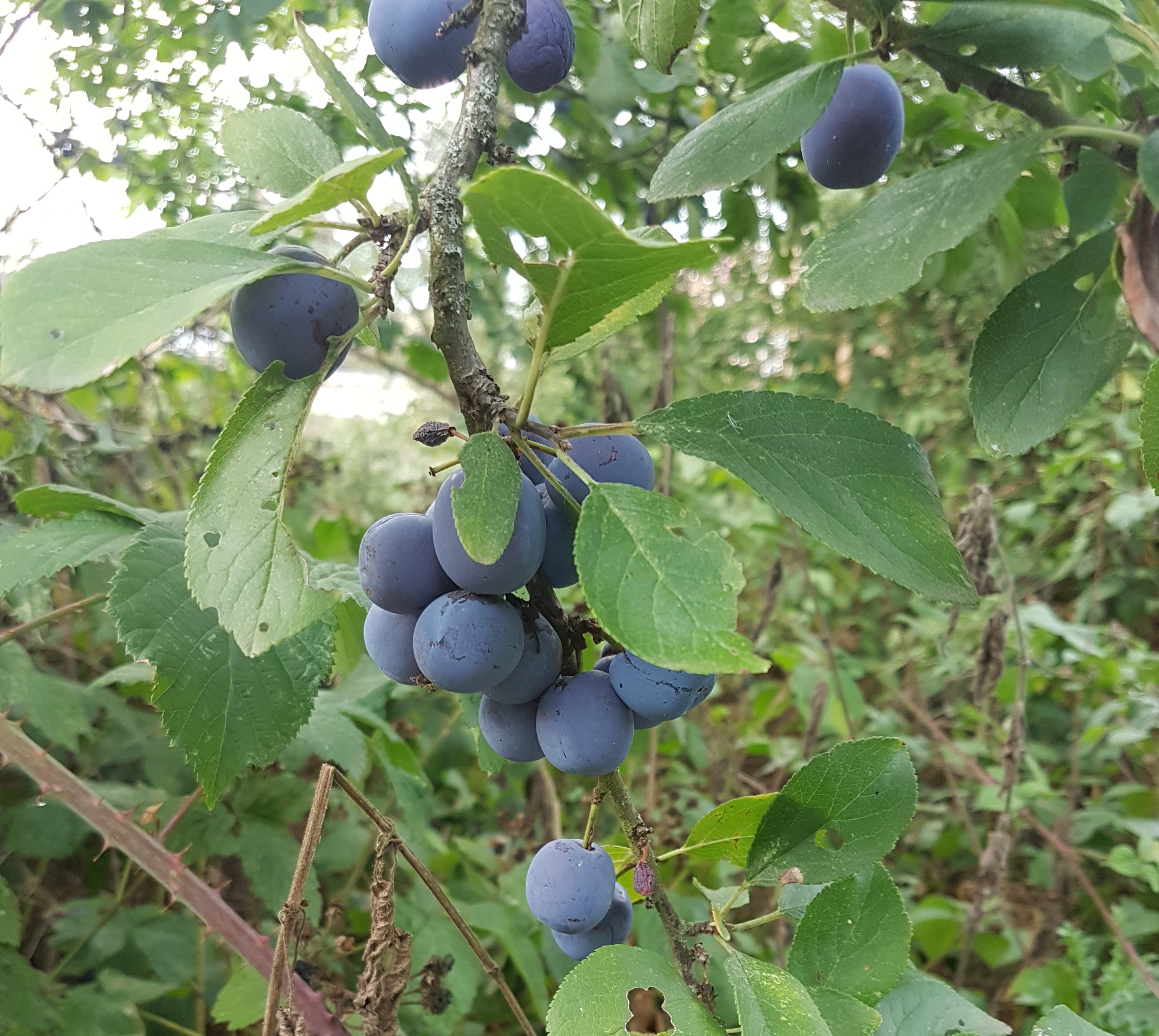
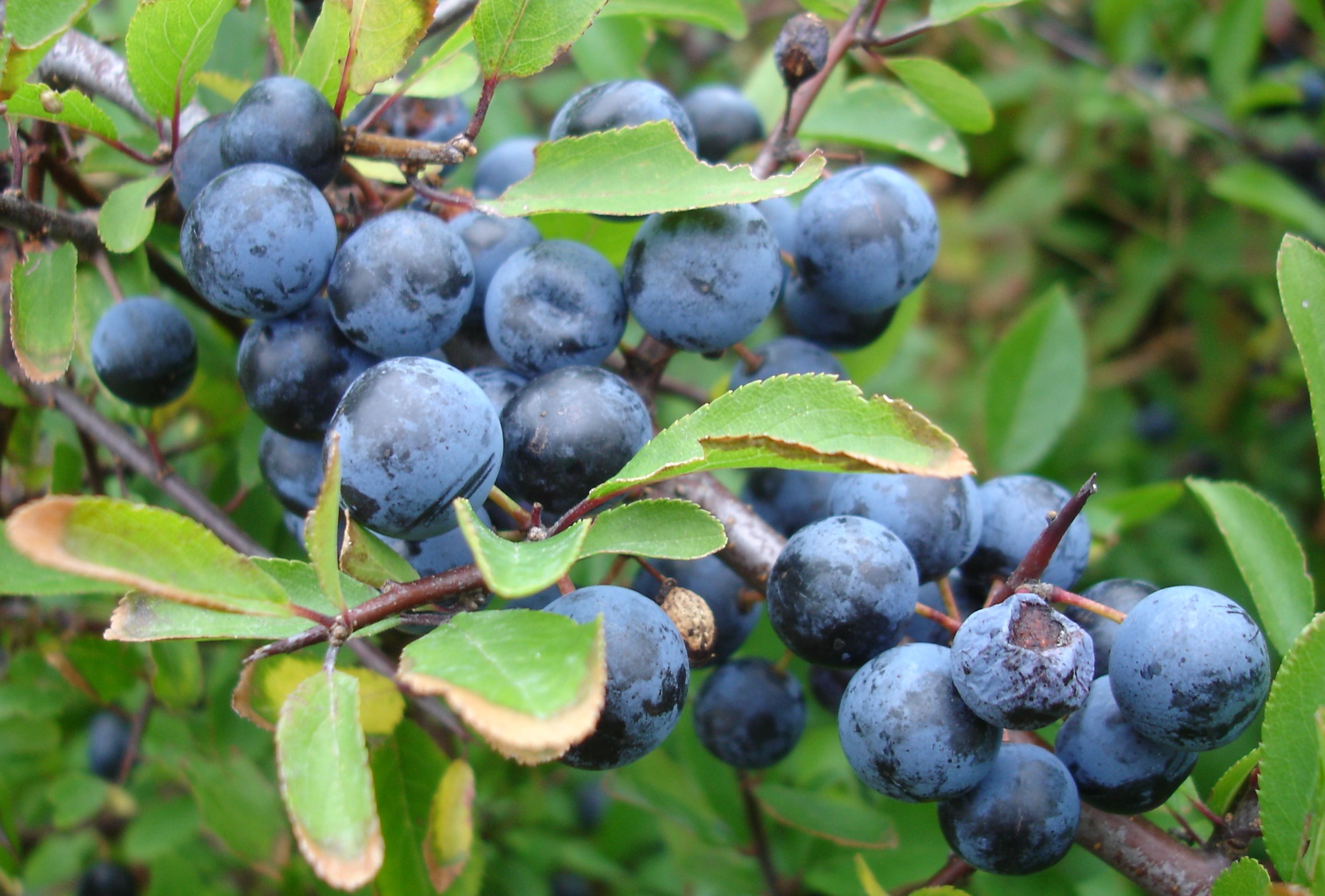
Damsons (Prunus domestica insititia) are more consistent: oval, deep blue-black, with a pronounced waxy bloom, growing on smaller, often thornier trees. They're notably astringent raw, even when fully ripe, which is exactly why they're prized for cooking rather than eating out of hand.
.jpg)
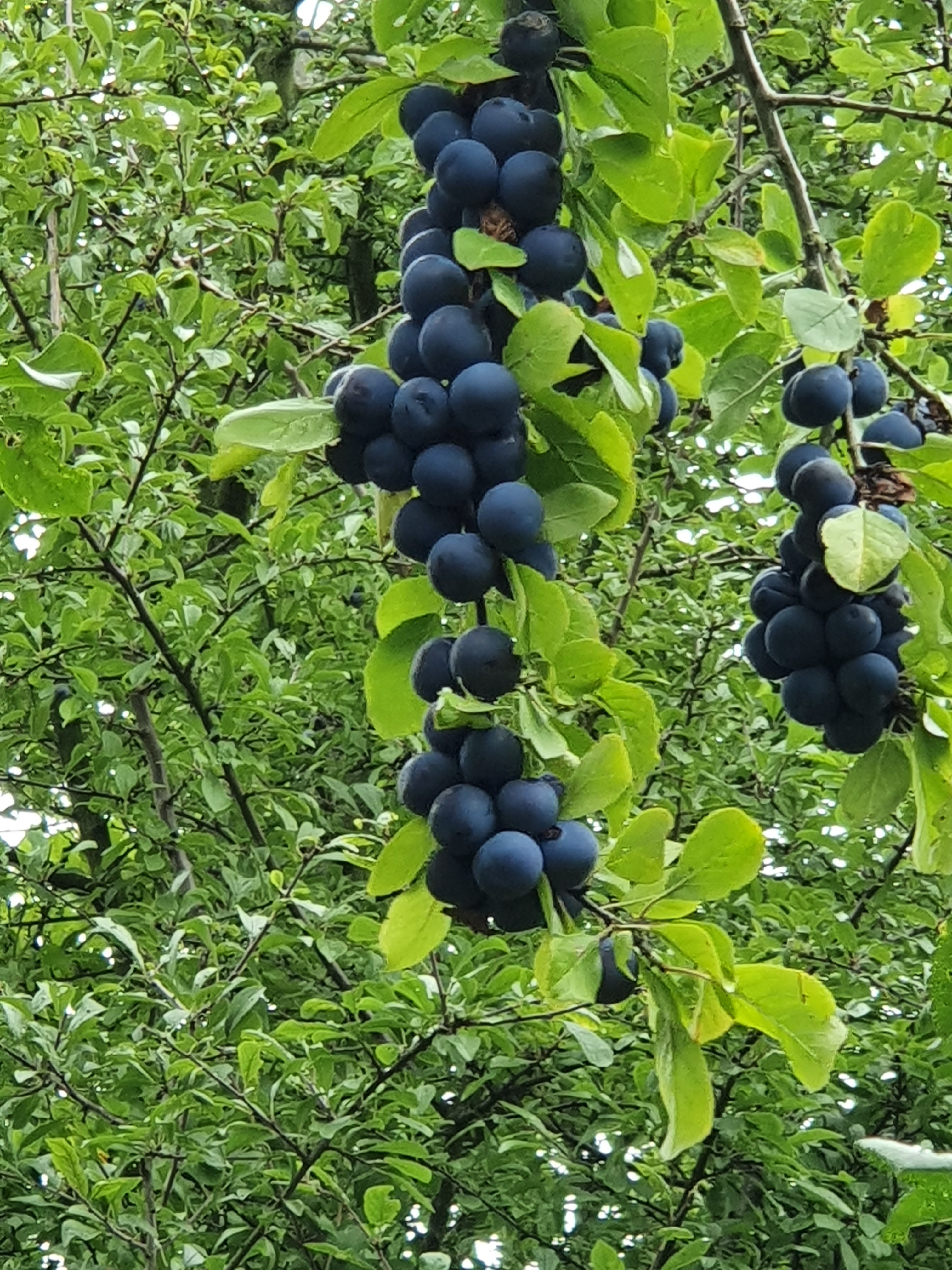
Bullaces sit between damsons and sloes: small, round, blue-black or occasionally greenish-yellow, usually on scrubby, suckering thickets rather than a single defined tree. They ripen later than damsons, often not until late September or October, and are less astringent than a true sloe but still sharper than a dessert plum.
Don't confuse any of them with sloes
This is where most people trip up, because sloes (Prunus spinosa, blackthorn) share the hedgerow and the blue-black colour. Three checks separate them fast. Size: sloes are marble-sized at most, rarely over 1.5cm, while damsons and bullaces are usually bigger. Spines: blackthorn is viciously thorny even on mature wood, whereas damson and bullace trees are thornless or only lightly spined. Taste: a ripe damson or bullace is tart but eatable; a sloe straight off the tree is mouth-puckeringly astringent even when fully ripe, which is why sloes are traditionally left until after the first frost (or the freezer, which does the same job) before use.
Where to actually find them
Look along hedgerows bordering old farmland, especially where a boundary hedge has grown out from a planted fruit tree decades ago and suckered along the field edge. Former orchard sites, allotment boundaries, canal towpaths and the scrubby margins of car parks and industrial estates are all reliable — damsons in particular were widely planted as windbreaks and hedge-fillers in the 19th and early 20th centuries, so old field patterns are your best clue. Roadside trees are common too, but check whether you're on a public verge or private land before picking; roadside foraging etiquette and the "four Fs" rule (foraging for Fruit, Foliage, Fungi and Flowers for personal, non-commercial use, with landowner permission where the land isn't open access) still applies even on a grubby stretch of dual carriageway hedge.
Judging ripeness
The waxy, dusty-looking bloom on the skin is a genuine ripeness indicator, not just a coating — it develops as the fruit matures and rubs off easily if you run a thumb across it. A ripe fruit should give slightly under gentle pressure and separate from the stalk with a light tug rather than needing to be pulled. If it resists, leave it; unlike blackberries, this family doesn't ripen much further once picked. Taste one before committing to a full basket: astringency that makes your mouth pucker means give it another week or two, particularly with damsons, which can hang on the tree looking "ready" for a fortnight before the tannins actually drop.
What to do with a mixed haul
The fix for a basket of mixed ripeness and mixed species is to stop sorting by species and start sorting by use. Firmer, more astringent fruit (damsons, unripe bullaces) go into jam, cheese, or a plum-and-damson gin along the same lines as sloe gin — the sugar and alcohol do the work that ripening alone won't. Softer, sweeter wild plums are better eaten fresh, stewed, or frozen whole on a tray before bagging, which stops them collapsing into a solid block and lets you pull out exactly what you need over winter. Don't waste time trying to stone small bullaces by hand; simmer them whole and pass the pulp through a sieve instead.