Sweet Chestnuts: Finding, Picking and Keeping a Good October Haul
.jpg)

October is sweet chestnut month. From the last days of September through to early November, the spiny burrs come down in woods, parks and old estate grounds across England and Wales, and plenty of people come home with a bag of them. Most of those bags end up disappointing: half the nuts are flat empties, a few have grubs in them, and the rest have gone mouldy in the bag by the following weekend. Below is how to avoid all three, plus the one check that rules out the dangerous lookalike.
Sweet chestnut or horse chestnut?
Sweet chestnut (Castanea sativa) and horse chestnut (Aesculus hippocastanum) aren't related at all, and conkers are poisonous: they contain aesculin and saponins, which cause vomiting and gut upset. Every year someone roasts a pan of them. Use the whole tree to tell them apart, not just the nut.
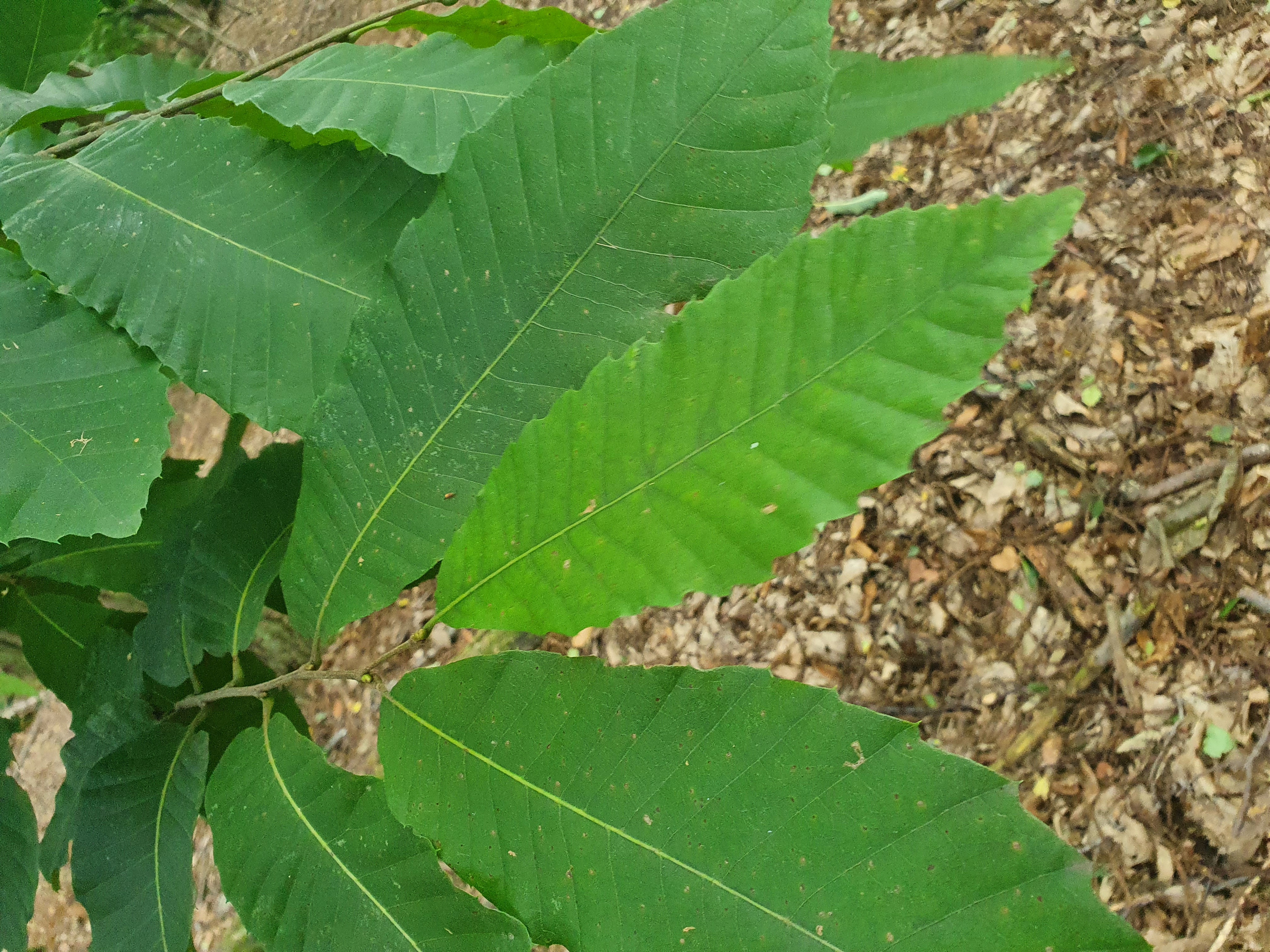
Leaves: sweet chestnut has single, long, lance-shaped leaves with a sharp bristle-tipped tooth at the end of each vein. Horse chestnut has big compound leaves, five to seven leaflets spreading from one point like a hand.
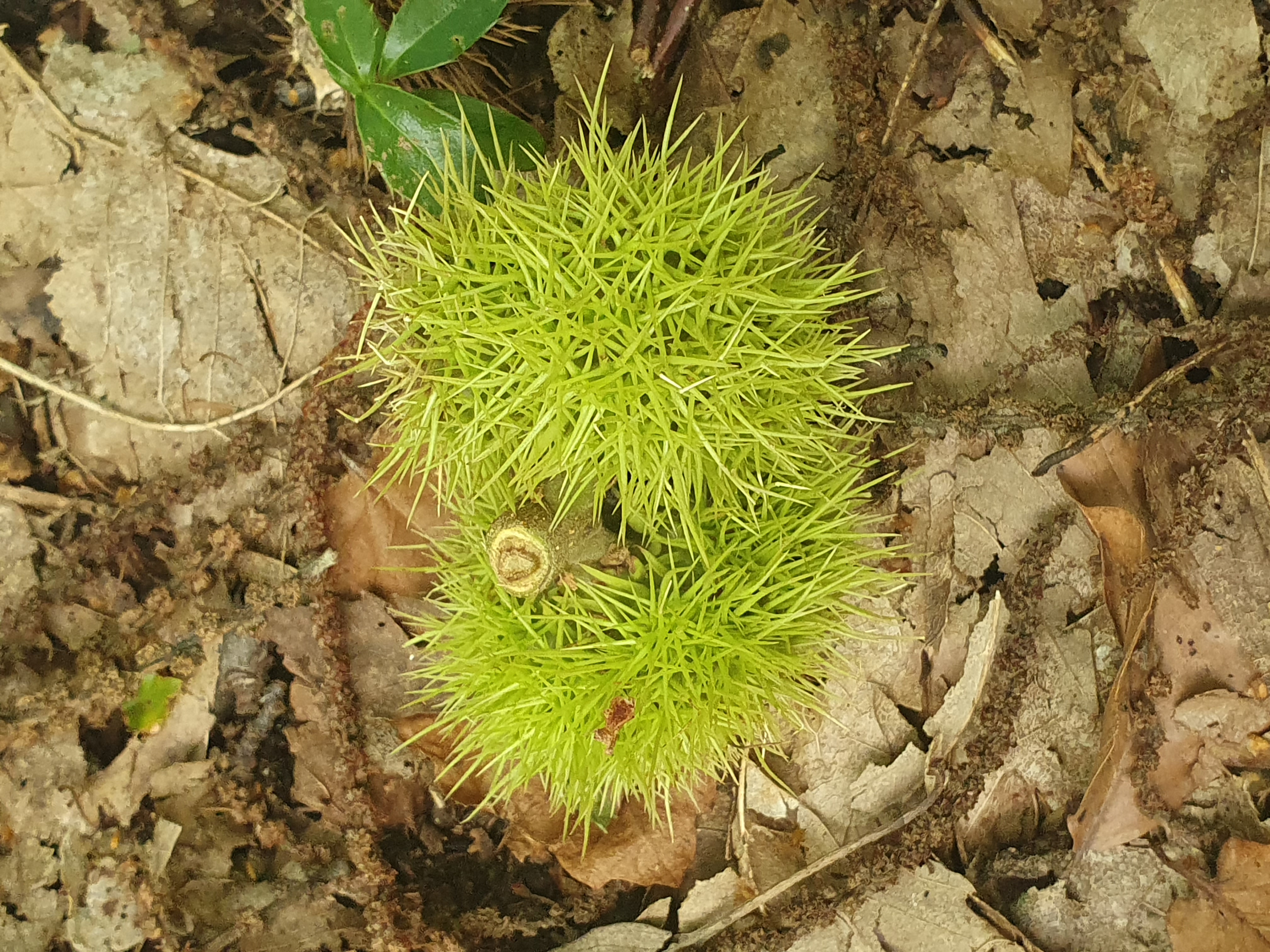
Husk: a sweet chestnut burr is covered in dense, fine needles, like a small green hedgehog, and hurts to pick up bare-handed. A horse chestnut case is thick and leathery, with a few short, widely spaced stubby spikes.
Nut: sweet chestnuts usually come two or three to a burr. They're flattened on at least one side and have a pointed tip with a little tuft of pale hairs. A conker is usually on its own in its case, round and glossy, with a large dull pale scar and no point or tuft.
The fix: if you can't see the tree's leaves, don't pick the nuts. Burrs get kicked around and blow onto paths, and the ground under a mixed avenue can have both species on it.
Finding a tree worth your time
Sweet chestnut is common across southern and central England and the Welsh borders, and less common further north, where the summers are often too cool for the nuts to fill out properly. That's the main reason so many British chestnuts are thin and papery. The best producers are old, wide-crowned standard trees with plenty of sun: parkland, estate avenues, woodland edges and old hedgerow trees. Coppiced chestnut, the classic Kent and Sussex woodland crop, is cut every 12 to 20 years for poles and fencing and rarely gets old enough to fruit heavily, so don't expect much from a coppice compartment. Old spreading trees do much better.
Once you've found a good tree, note it down. Individual trees differ a lot in nut size and how reliably they crop, and a good one will keep producing for decades.
Picking: wait for the drop
Don't pull burrs off the tree or knock branches. Ripe chestnuts drop on their own, often after a windy night, and burrs that fall ripe will already be splitting open. Green, tightly closed burrs on the ground usually came down early and the nuts inside are often underdeveloped.
Wear proper gloves, not garden gloves, because the spines go straight through thin fabric. Pin a split burr under your boot and roll it to pop the nuts out. Go early in the day if you can: squirrels, deer, jays and other foragers all visit the same trees.
Chestnuts count as fruit under the "four Fs" (fruit, foliage, flowers and fungi gathered for personal use), so picking them from the ground in publicly accessible places is generally fine. You still need the landowner's permission on private land, and some country parks and estates have their own rules. Leave plenty for the wildlife that depends on them heading into winter.
Sorting the duds before you get home
Sort as you pick rather than carrying home a bag of rubbish. Reject anything that's:
- Flat or hollow: press it between finger and thumb. A good nut is firm and plump, and an empty one gives under pressure.
- Holed: a small round hole usually means chestnut weevil or moth larvae have been in there.
- Light for its size, or soft and dull-skinned: it's either old or starting to rot.
At home, put the batch in a bowl of cold water. Sound nuts sink. Floaters usually have air in them, from insect damage or shrivelling, so throw those away.
Why they go mouldy, and how to stop it
People expect chestnuts to keep like hazelnuts or walnuts, and they don't. Sweet chestnuts are mostly starch and water, with very little oil, so they behave more like fresh produce. A sealed plastic bag in a warm kitchen will have them sweating and growing mould within days.
The fix: dry them off, put them in a paper bag or open container, and keep them in the fridge. Eat them within a week or two. For anything longer, score each nut, roast or boil it, peel it, and freeze the kernels. Peeled, cooked chestnuts freeze very well and save you a job at Christmas. You can also dry peeled kernels slowly in a low oven or dehydrator until they're hard, then grind them into chestnut flour.
Cooking without the explosions
Always score the shell before cooking, either with a cross on the domed side or one slit across the belly. Otherwise steam builds up inside and the nut bursts, sometimes violently. Roast at around 200°C for 20 to 25 minutes, or boil for 15 to 20. Then peel them while they're still hot, wrapped in a tea towel. Get the papery inner skin (the pellicle) off as well as the shell, because it's bitter and much harder to remove once the nut cools.
If you'd like to learn the autumn hedgerow with someone who knows where the good trees are, our seasonal workshops run across the UK through the autumn.