5 Mistakes Beginner Foragers Make (and how to avoid them)
.jpg)

Every forager starts somewhere, and almost everyone makes the same handful of mistakes on the way to getting confident. None of these are about being careless — they're about not yet knowing what you don't know. Here are the five I see most often, and what to do instead.
1. Trusting a single feature instead of the whole picture
The most common beginner habit is spotting one identifying feature: a smell, a leaf shape, a colour and stopping there. Wild garlic smells like garlic, so surely anything in that patch that smells like garlic is safe? Not quite. Lily-of-the-valley and autumn crocus can grow through wild garlic patches, and while they don't share the smell themselves, relying on smell alone (rather than checking leaf shape, growth pattern, stem, and where the smell actually comes from) is how mix-ups happen.
The fix: identify from the whole plant, not one clue. Leaf shape and arrangement, stem, smell, habitat, and what it's growing alongside all have to agree before you pick. If you're relying on a single feature, you're not identifying you're guessing.
2. Not learning the dangerous lookalikes first
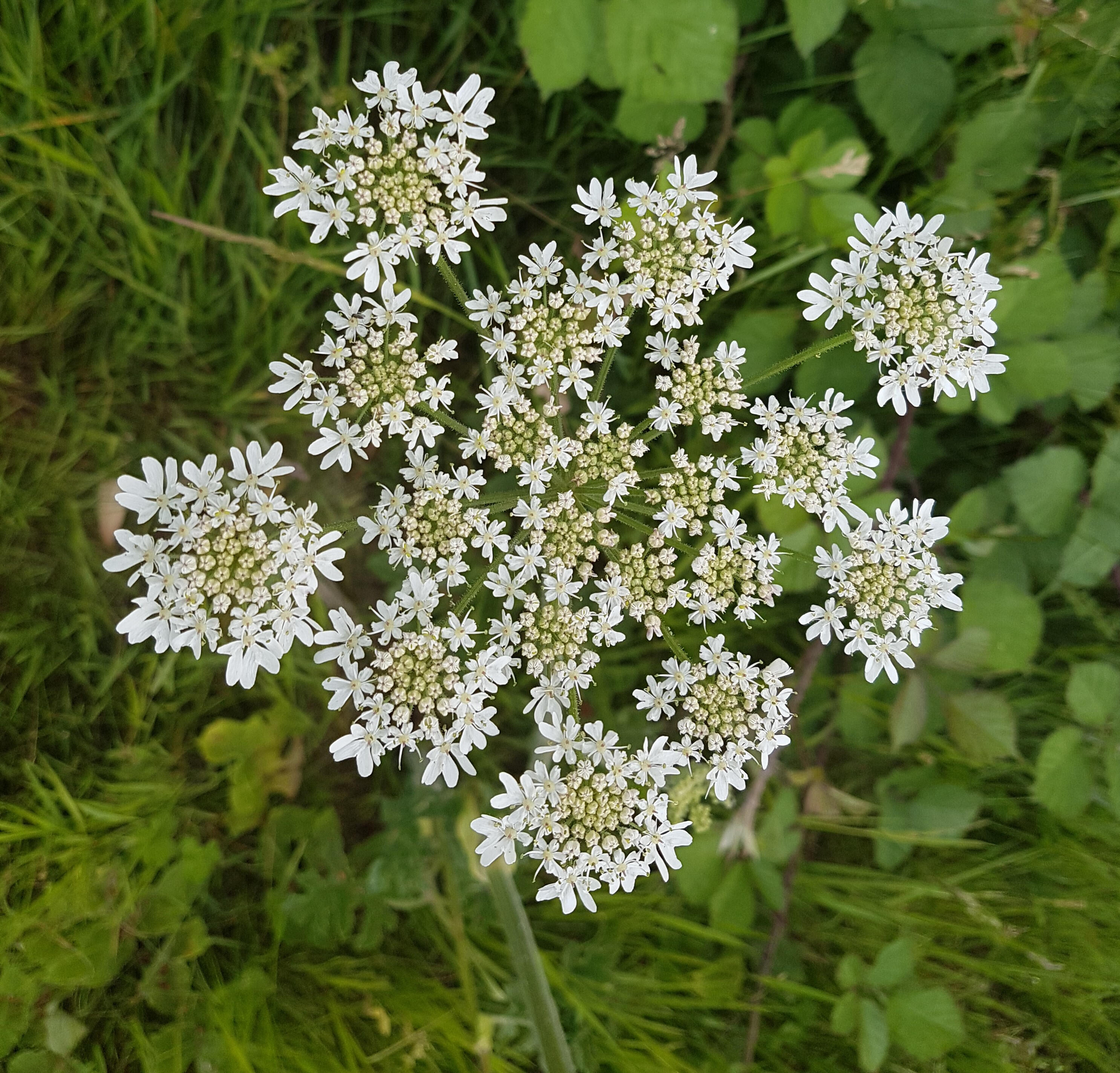
Beginners often learn the plant they want to find, but not the plants they need to be able to rule out. This is backwards. The Apiaceae family (carrot family) is the classic example: wild carrot, alexanders, and ground elder are all foraged, but the same family includes hemlock and hemlock water-dropwort, genuinely dangerous plants that share the same lacy leaves and umbrella-shaped flower heads.
The fix: for every plant on your "want to find" list, learn its two or three most dangerous look-alikes before you go looking. Knowing what to avoid is more useful than knowing what to find.
3. Foraging in the wrong places
New foragers focus on getting the identification right and forget that location matters just as much. Roadside verges get exhaust residue and are often sprayed. Riverbanks downstream of farmland can carry agricultural run-off. Popular dog-walking routes carry an obvious hazard for anything low to the ground. All the correct identification in the world doesn't help if the plant itself is contaminated.
The fix: pick your locations as carefully as your plants. Get some distance from roads, know what's upstream if you're foraging near water, and be extra cautious with anything you're not going to cook.
4. Overharvesting a patch
It's an easy mistake to make when you're excited to have found something, you take the lot. But a patch that gets stripped doesn't come back as strong next year, and if everyone takes everything, there's nothing left for the next forager, or for the wildlife that also relies on it.
The fix: the general guideline is to take no more than a third of what you find in a patch, and to leave anything that's the only one of its kind nearby. Sustainable foraging isn't a nice-to-have, it's what keeps the hobby possible. Personally, I like to leave the patch looking like no-one has been there.
5. Not knowing the law (or assuming there isn't one)
Many beginners assume foraging is either completely unregulated or completely banned, and it's neither. In England and Wales, the general rule under the Theft Act 1968 is that you can pick the "four Fs": fruit, foliage, flowers, and fungi from the wild for personal use, but you need permission to forage on private land, and it's illegal to uproot any wild plant without the landowner's consent. Some sites (nature reserves, SSSIs) have their own rules on top, and some species are protected outright.
The fix: know before you go. Check whether the land is private, whether it's a protected site, and whether the species you're after has any legal protection.
None of this is meant to put you off, foraging is genuinely one of the safest and most rewarding hobbies you can pick up, as long as you build the habits early. If you want a proper framework for identification rather than picking these things up piecemeal, our ID Confidence course walks through exactly this: the four-step method, the non-negotiables, and a 14-day field plan to put it into practice. Or come along to one of our workshops and we'll show you in person.