Spring

Summer

Flora

Edible, with caution

Back To Foraging Guide
Wood Sorrel
Oxalis acetosella

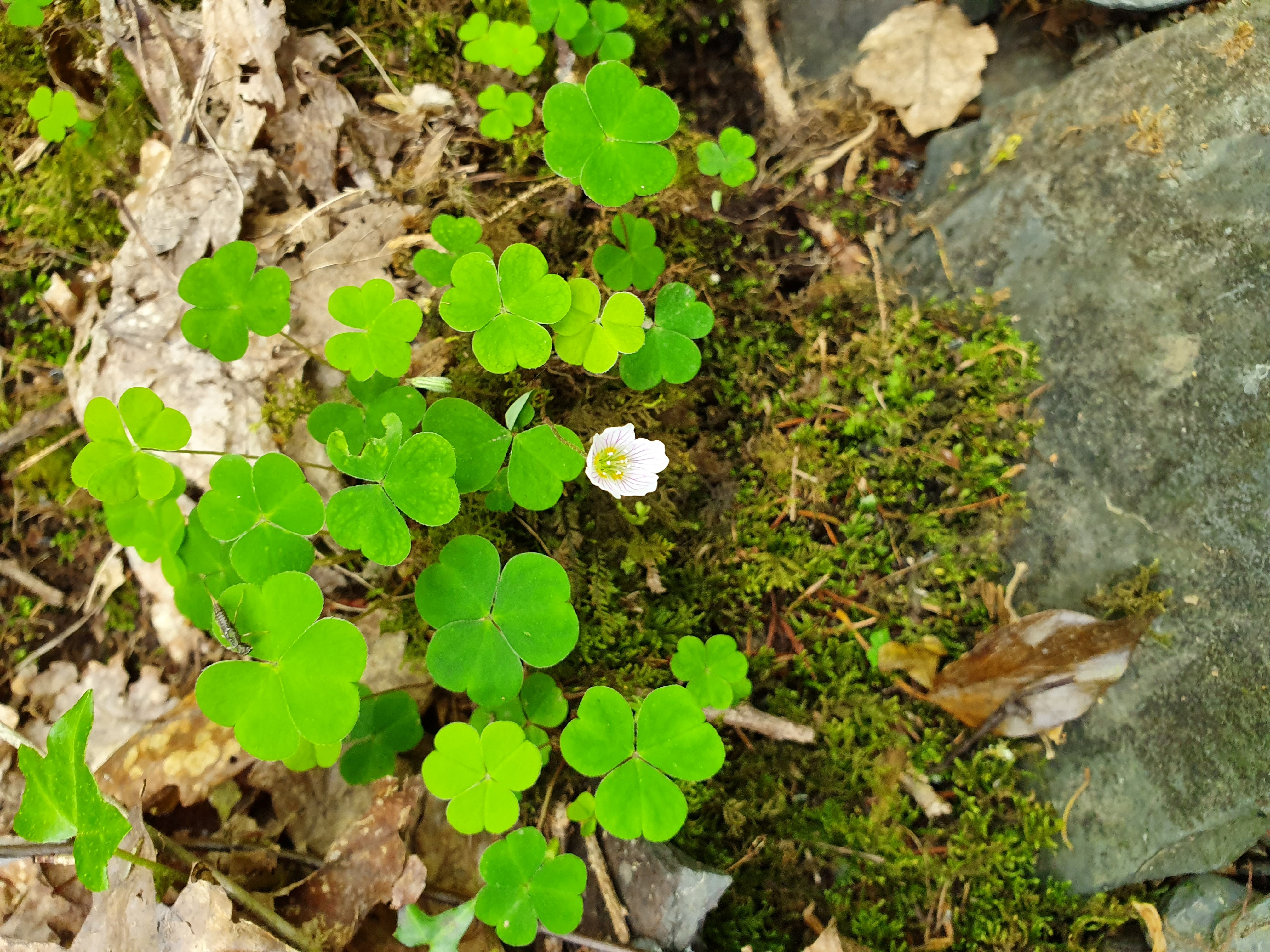
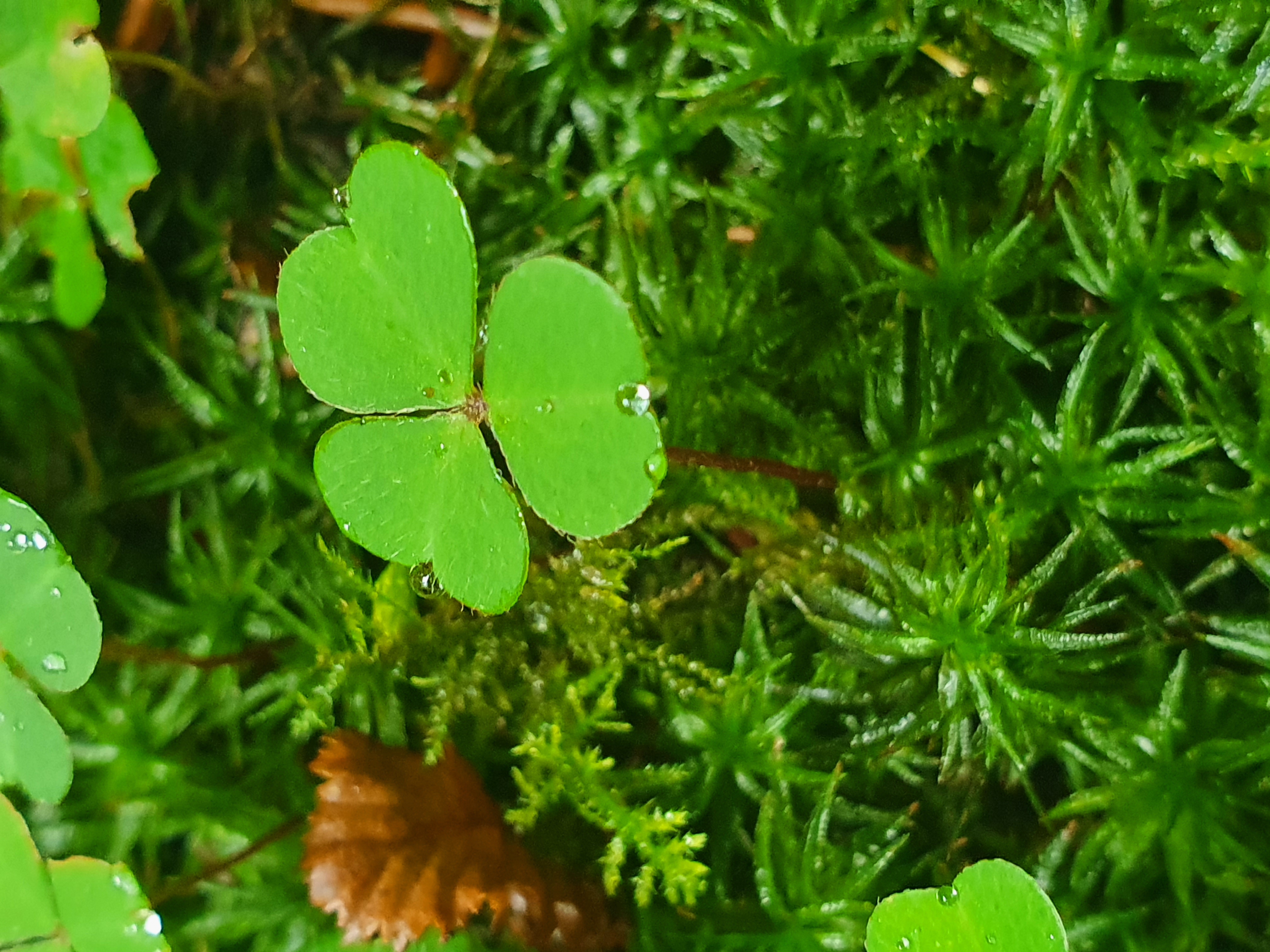
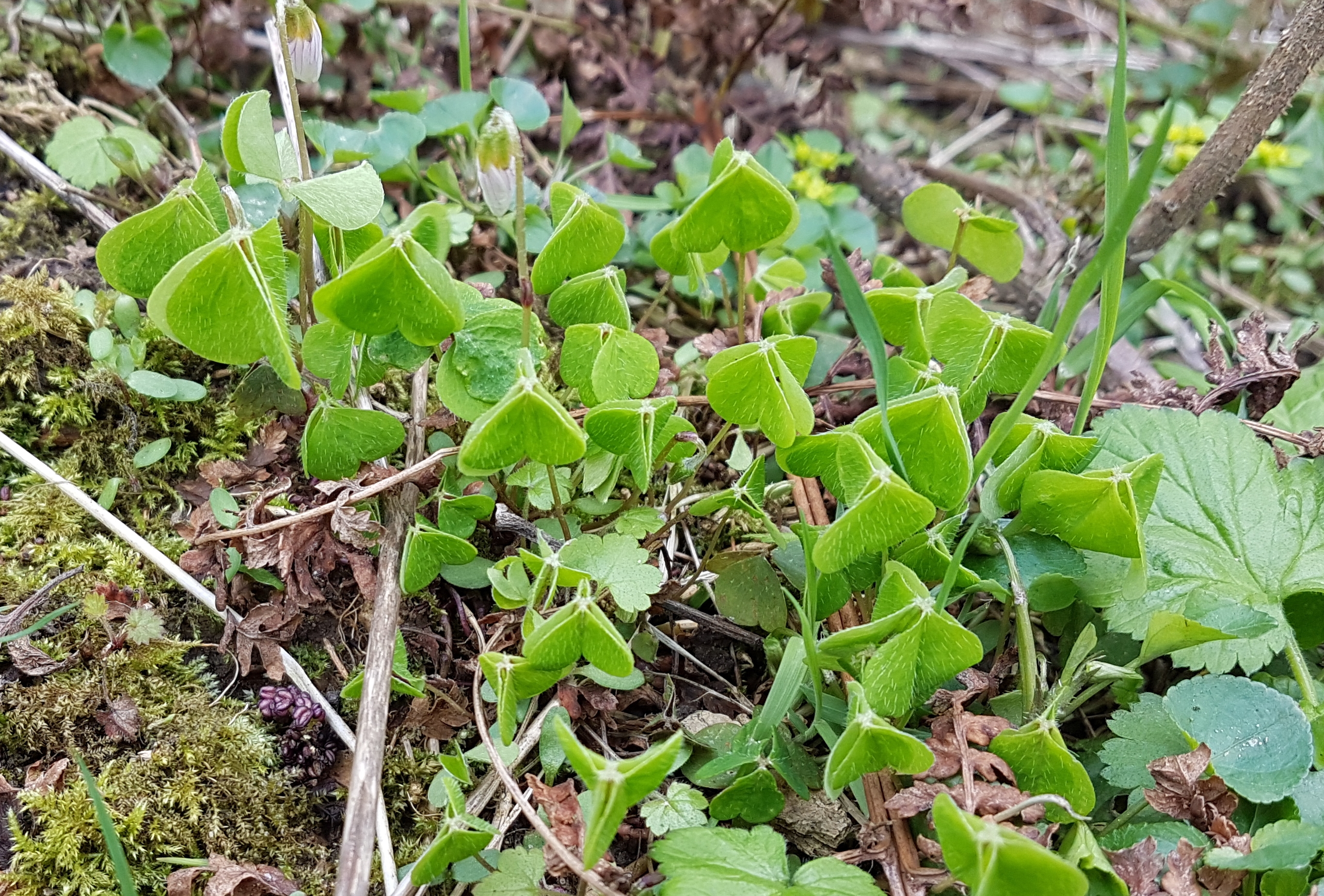
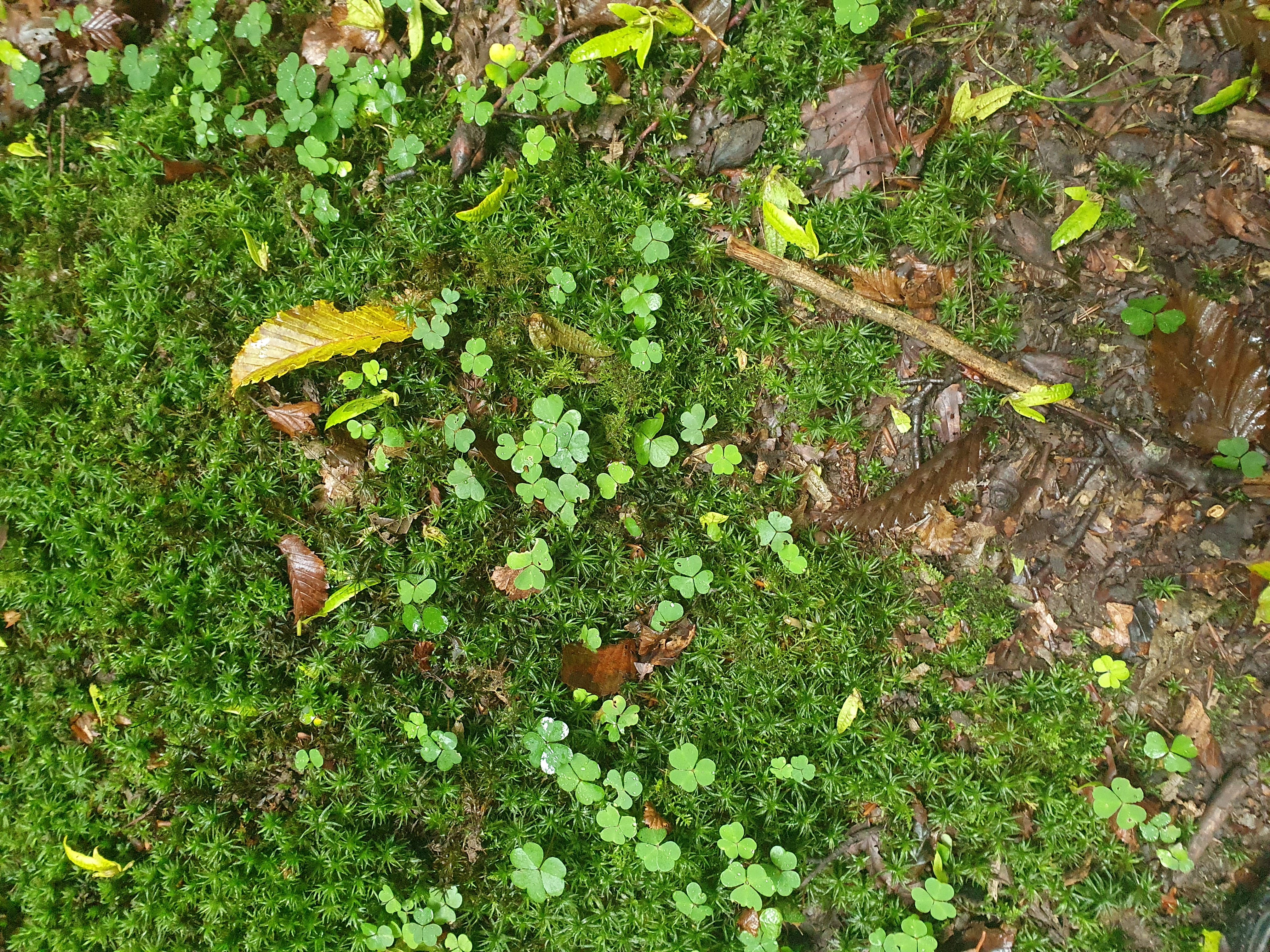
Leaves - Trifoliate compound leaves, the leaflets are heart-shaped and folded through the middle, occurring in groups of three. The leaves fold at night or during rain. Flowers - From spring to midsummer, small white flowers with pink streaks.

Cap
Gills
Stem
Flesh
Leaves
Trifoliate compound leaves, the leaflets are heart-shaped and folded through the middle, and occur in groups of three on petioles up to 10 cm long. The leaves fold at night or during rain.
Flowers
From spring to midsummer with small white chasmogamous flowers with pink streaks. Red or violet flowers also occur rarely. During the night or when it rains the flowers close.
Seeds
Stem
Very thin, round stem.
Fruit
Taste
No discernabe smell, very distinctive "zingy", lemony flavour.
Frequency & law
Very common, no protected.
The nuanced bit
There are other varieties of wood sorrel, including creeping woodsorrel (Oxalis corniculata) which looks exactly the same but with yellow flowers and is equally edible, and cultivated varieties with very large leaves and pink flowers. All are edible, but be awae that larger varieties may have more oxalic acid.

Possible confusion
The only plants to confuse this with are clover, or shamrock, which is edible anyway - one of the very rare occasiona when it's OK that taste will confirm identification.

Habitat
Moist woods, moorland and shady rocks across Europe including Britain.

How to harvest
Carefully pluck or cut, don't rip it up by the roots.

Cooking tips
Best used raw, oooking destroys the "zingy", lemony flavour.

Other uses
Leaves - raw or cooked. A delicious lemony flavour, refreshing in salads. Use in moderation, see hazards.

Folklore
A 3-hour session with a foraging expert, including ID work, finding and tasting wild ingredients, and a wild snack at Island Fields.
A 3-hour session with a foraging expert, including ID work, finding and tasting wild ingredients, and a wild snack at Bassenthwaite Lake Station


