
Spring

Summer

Edible

Back To Foraging Guide
Yarrow
Achillea millefolium
.jpg)
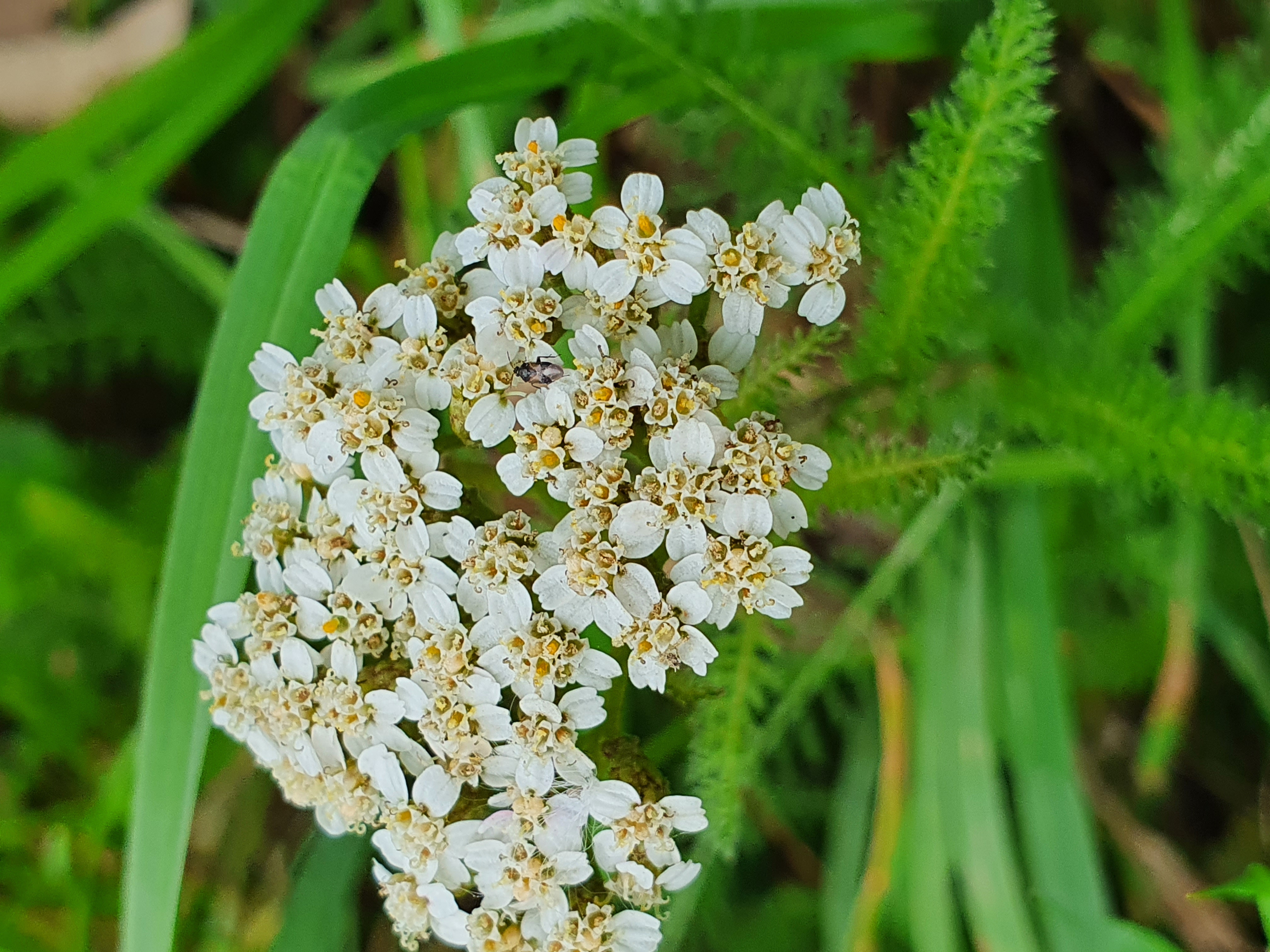


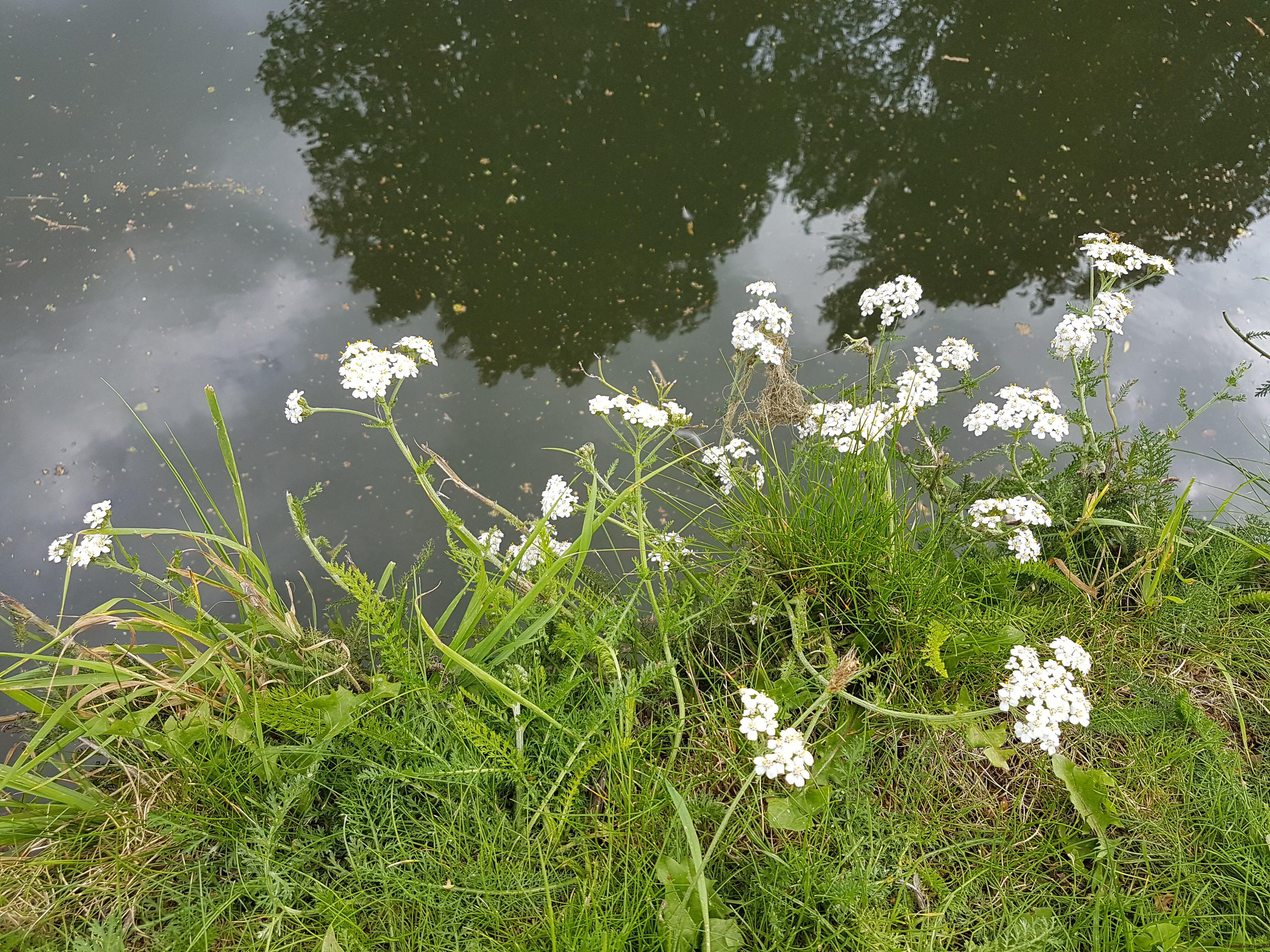

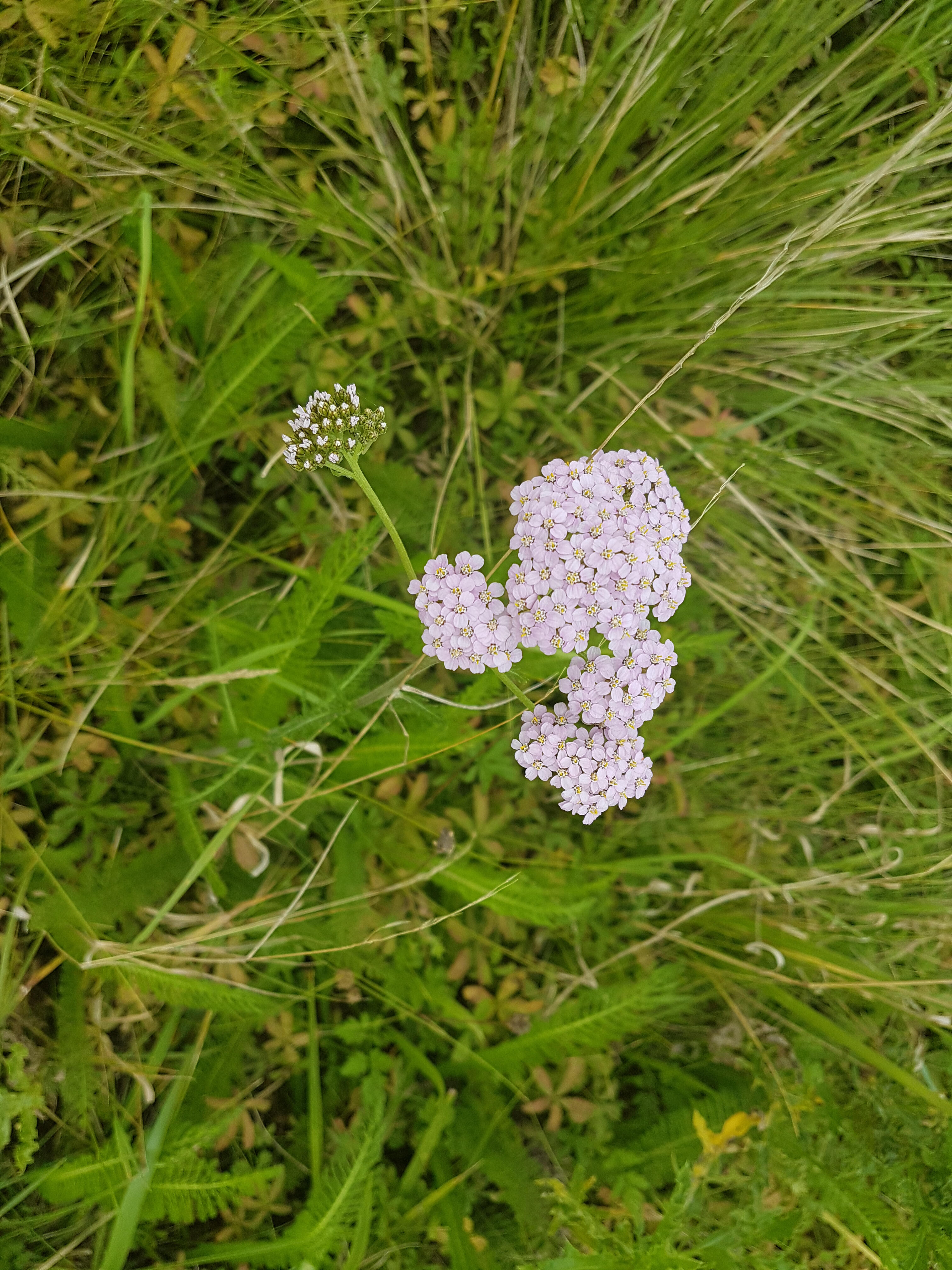
It has distinctive feathery leaves, and can remain hidden amongst long grass until you look closely. The leaves are alternate. The name ‘millefollium’ referring to its many leaves (i.e. “thousand leaves”). It flowers from early summer to early autumn and has a composite flower head with 5 ray flowers and 10-30 disc flowers.
Arrowroot, Bloodwort, Death Flower, Eerie, Field hops, Gearwe, Hundred leaved grass, Knights milefoil, Knyghten, Milefolium, Milfoil, Millefoil, Noble Yarrow, Nosebleed, Sanguinary, Seven year's love, Soldier, Staunchweed, Thousand seal, Woundwort, Yarroway, Yerw

Cap
Gills
Stem
Flesh
Leaves
Evenly distributed along the stem, with the leaves near the middle and bottom of the stem being the largest. The leaves have varying degrees of hairiness. The leaves are 5–20 cm long, bipinnate or tripinnate, almost feathery, and arranged spirally on the stems.
Flowers
Contains ray and disk flowers which are white to pink. The generally 3-8 ray flowers are ovate to round. Disk flowers range from 15 to 40. The inflorescence is produced in a flat-topped capitulum cluster and the inflorescences are visited by many insects, featuring a generalized pollination system.
Seeds
Stem
Fruit
The small achene-like fruits are called cypsela.
Taste
The taste is somewhere between parsley, tarragon and cariander.
Frequency & law
Very common and note restricted.
The nuanced bit
As children we were often told that the worse a medicine tastes, the better it is; By that reasoning alone, Yarrow flower tea must be the best medicine ever!

Possible confusion
I have heard it said that you could confuse Yarrow with Wild Carrot, or Hemlock. However, I find that hard to believe. Learn to recognise the characteristics and you’ll be fine. For one thing, Daucus corota (Wild Carrot) does have vaguely similar leaves, but smells of carrot when crushed, and is edible anyway, and for another Conium maculatum (Hemlock) absolutely stinks and you’d be daft to put anything that smells like that in your mouth!

Habitat
Yarrow grows practically everywhere apart from Antarctica. It likes dry soils, meadows and clearings, often found along path-sides. Can grow up to 3 feet tall. Also seen frequently along canal banks.

How to harvest
The leaves seem to be available most of the year around, tender leaves appearing in early spring. It flowers from June to August and the seeds are usually available from July to September.

Cooking tips
Yarrow can be used as a herb.

Other uses
Yarrow has a very good reputation and is widely employed and respected in herbal medicine, administered both internally and externally. It is used in the treatment of a very wide range of disorders but is particularly valuable for treating wounds, stopping the flow of blood, treating colds, fevers.

Folklore
"It is indeed difficult to say in what complaints it may not with advantage receive employment. It is one of the common wayside herbs, and as useful and well adapted for recourse in almost any emergency where medicines are not at hand, as it is common." Hatfield Botanic Pharmacopeia 1886
A 3-hour session with a foraging expert, including ID work, finding and tasting wild ingredients, and a wild snack in Heversham
A 3-hour session with a foraging expert, including ID work, finding and tasting wild ingredients, and a wild snack at Castle Meadows.


