
Flora

Edible

Summer

Back To Foraging Guide
Wild Cherry
Prunus avium
.jpg)
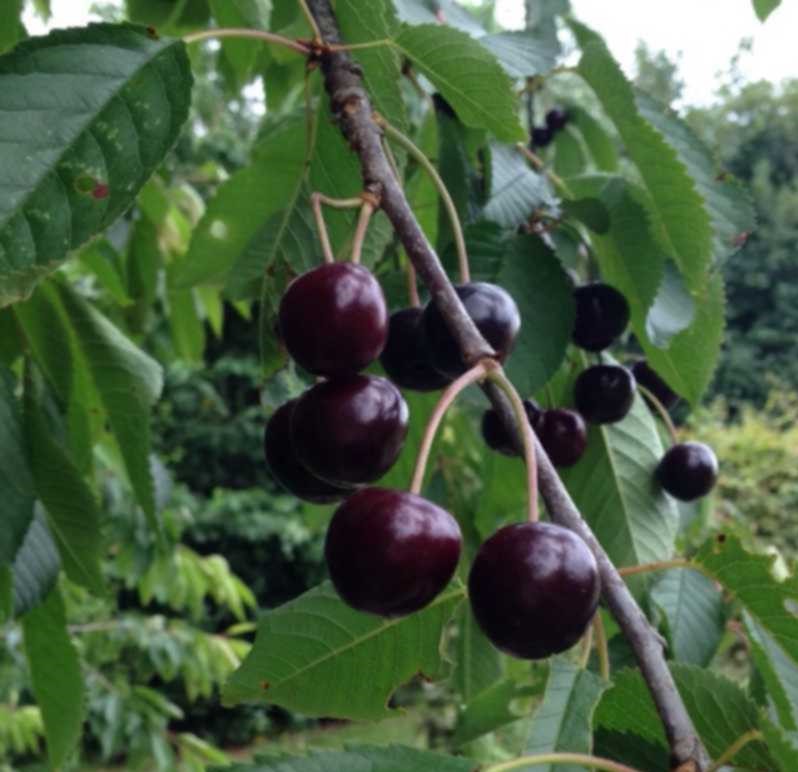
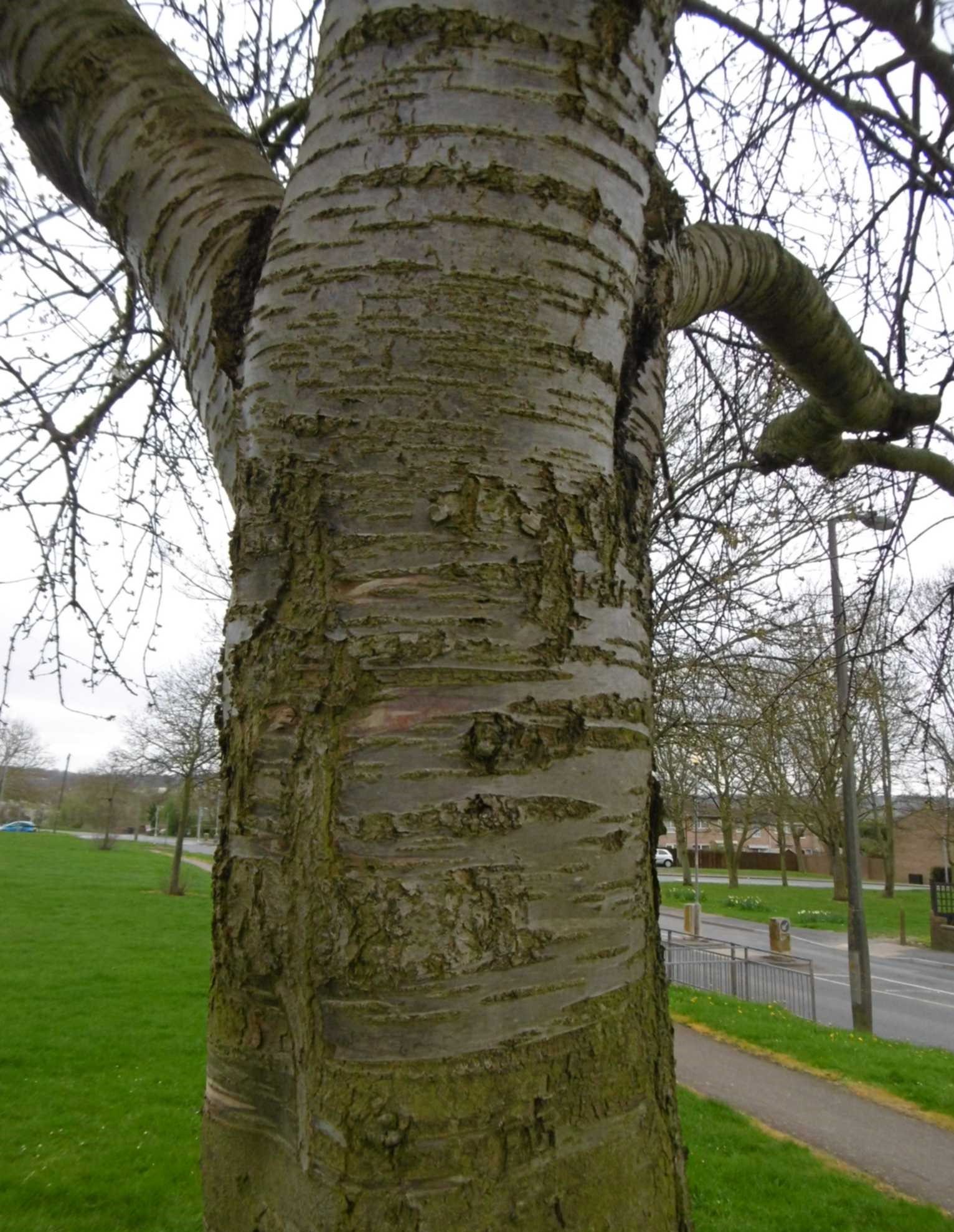
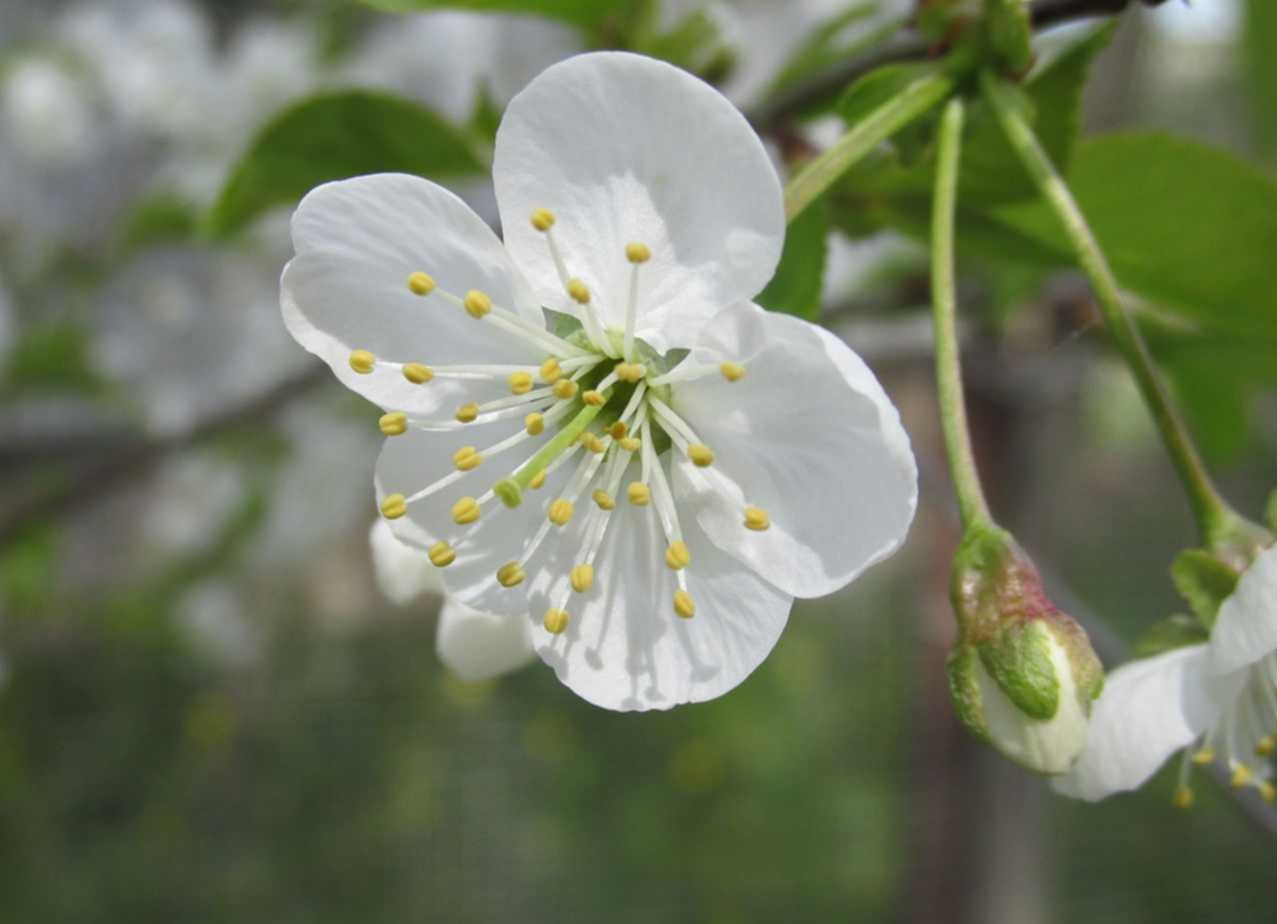

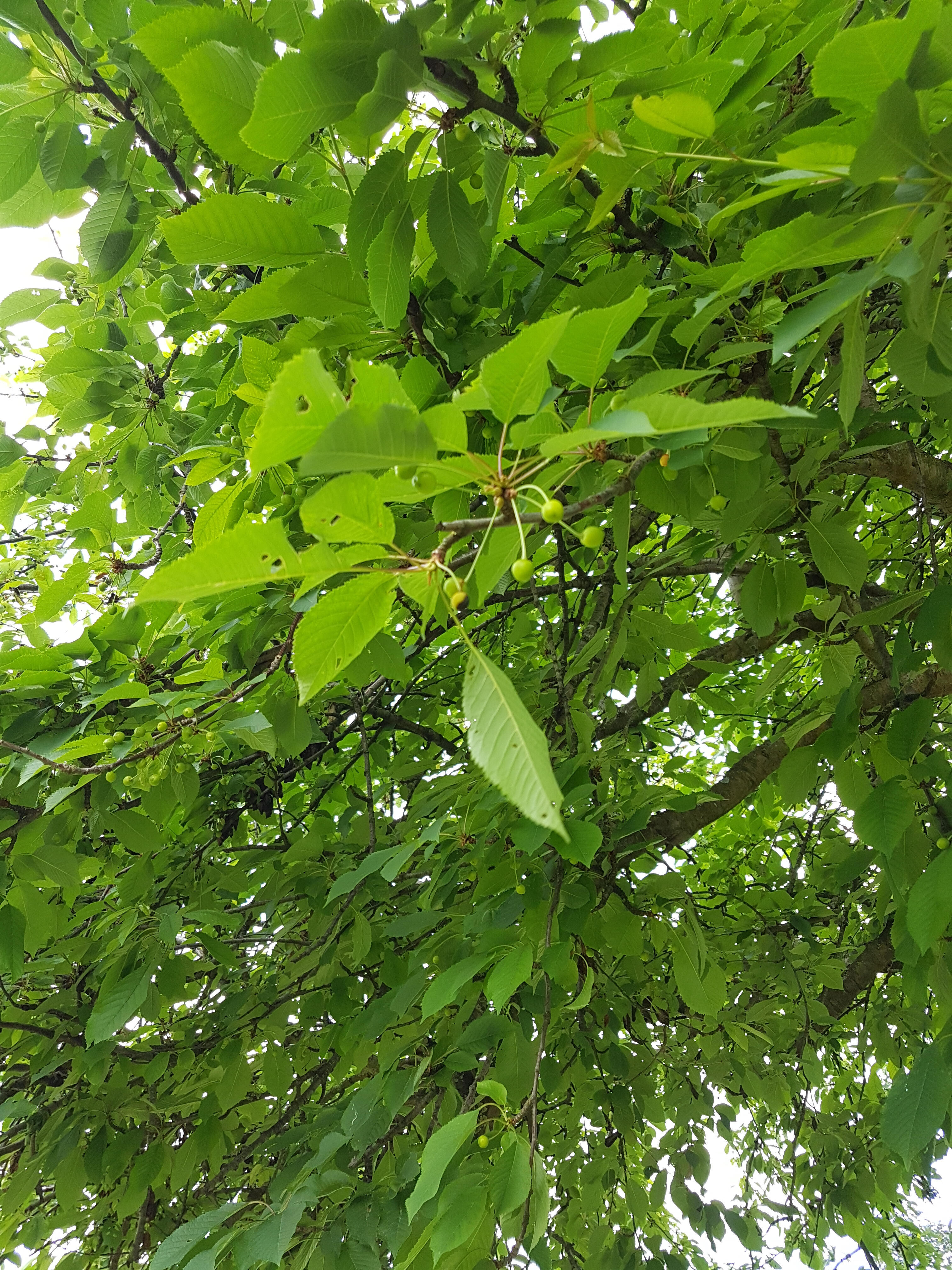
As well as being a choice edible fruit, the wild cherry causes all sorts of confusion with its naming. The scientific name “Prunus avium” means bird cherry, whereas in the UK bird cherry generally refers to the closely related cherry “Prunus padus“.
Bird cherry, Gean, Mazzard, Sweet cherry

Cap
Gills
Stem
Flesh
Leaves
Ovoid leaves up to 14cm long & 7cm wide, the leaves are arranged alternately. They are hairless & a dark green on top, with fine downy hairs underneath. The margins are serrated (with the tip of each serration having a tiny red gland) & the 2-4cm petiole is green, sometimes with a red tint.
Flowers
Each flower has 5 white petals and multiple yellow stamens, and is 2.5 to 3.5cm across. Each flower has both male and female reproductive parts. The flowers are produced on corymbs of 2 to 6 flowers with each flower on a 2 to 6cm peduncle.
Seeds
The 6 to 8mm seed is contained in a hard shelled stone inside each drupe.
Stem
The bark is a key identifier for Prunus species, being a reddish-brown, smooth and shiny and with horizontal lenticels. Sometimes the bark has blisters of sap, and older trees’ bark can get gnarly and fissured.
Fruit
Each pollinated flower produces a green drupe, changing to dark red when ripe, usually 1 to 2cm in diameter. When ripe the flesh of the fruit is sweet, sour or somewhere in between.
Taste
Very sweet and tasty
Frequency & law
Fairly common and widely planted, not protected.
The nuanced bit
As well as being a choice edible fruit, the wild cherry causes all sorts of confusion with its naming. The scientific name “Prunus avium” means bird cherry, whereas in the UK bird cherry generally refers to the closely related cherry “Prunus padus“.

Possible confusion
Other cherry species such as bird cherry (Prunus padum) and sour cherry (Prunus cerasus). There are no poisonous cherries in the UK, however some are exceptionally sour, so whilst they’re safe to eat you wouldn’t want to eat too many of some of them. Watch out for fruit that looks like cherries that aren’t growing on trees, for example cherry laurel (Prunus laurocerasus) these are evergreen cherries, grow in bushes and can be toxic.

Habitat
Chery trees prefer good quality soils in hedgerows and woods, especially Beech woods. Very common in public parks and avenues as a cultivated tree. Native to Europe, Western Asia and Northern Africa, widely introduced across temperate regions and naturalised in Australia and North America.

How to harvest
The fruit are usually ripe in mid to late summer.

Cooking tips
When ripe the fruit is very sweet and tasty. It can be used to make jams, preserves, fruit leather, etc. It works well as an alcohol infusion, particularly in vodka and the classic cherry brandy. The resin from the bark can be chewed as an edible gum.

Other uses
A green dye can be made from the leaves and a dark grey to green dye can be made from the fruit. Cherry trees produce a hard, red/brown wood which is valued for making cabinets and musical instruments.

Folklore
In former Czechoslovakia it was customary to cut cherry branches on the Feast of St Barbara (4 December). They were then taken into the warmth of the house to have blossom at Christmas.
A 3-hour session with a foraging expert, including ID work, finding and tasting wild ingredients, and a wild snack at Graves Park
A 3-hour workshop with a foraging expert, which includes ID guidance, picking wild ingredients and using them to prepare a meal.


