Spring

Edible

Summer

Back To Foraging Guide
Wild Carrot
Daucus carota
.jpg)
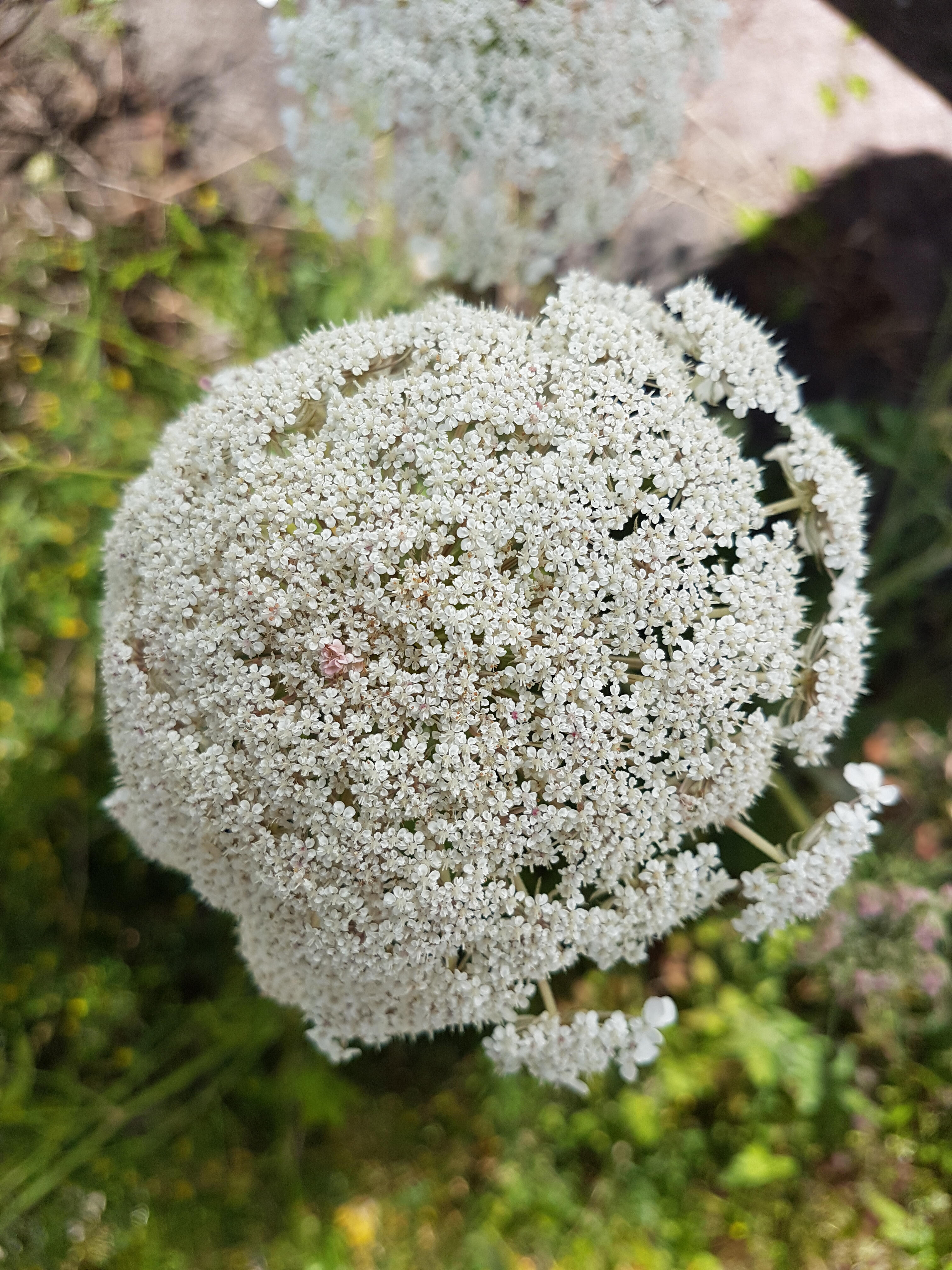

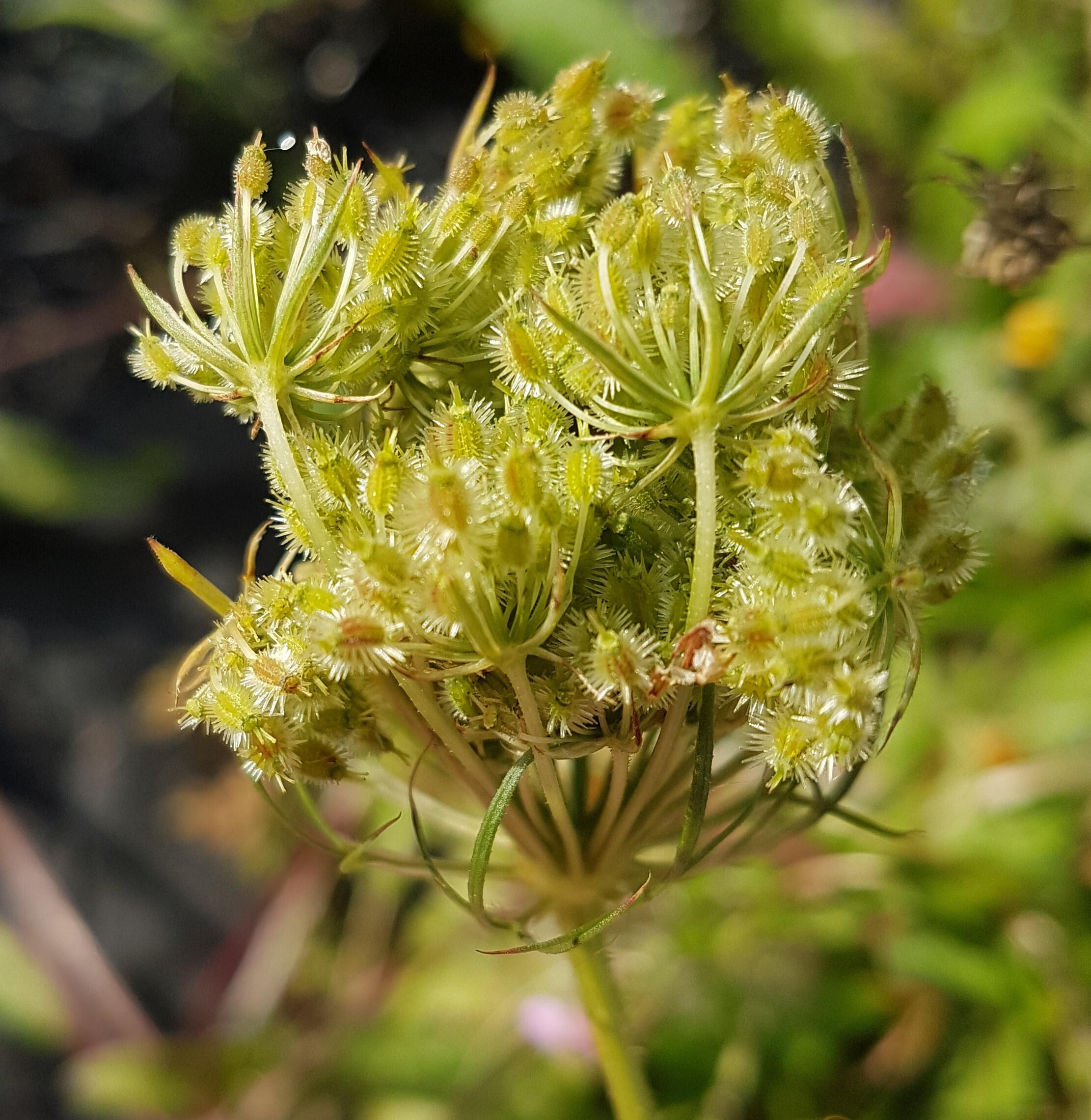
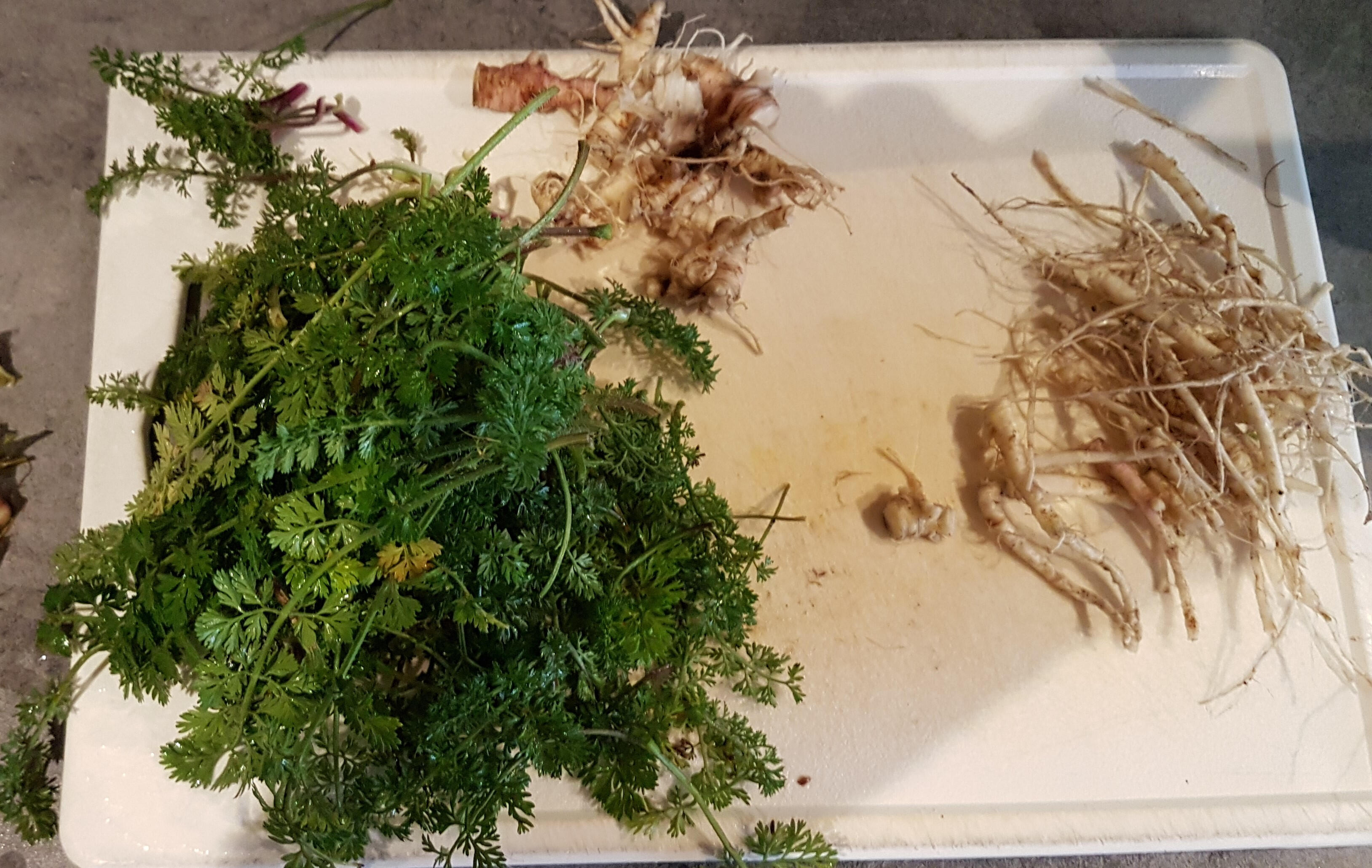
The wild carrot is a herbaceous, somewhat variable biennial plant, depending on soils, environment, etc. that can grow between 30 and 60 cm tall, and is roughly hairy. It has an umbel of delicate white flowers. When it goes to seed, the umbel curls in on itself and looks a little like a bird’s nest.
Bird's nest, Bishop's lace, Queen Anne's lace

Cap
Gills
Stem
Flesh
Leaves
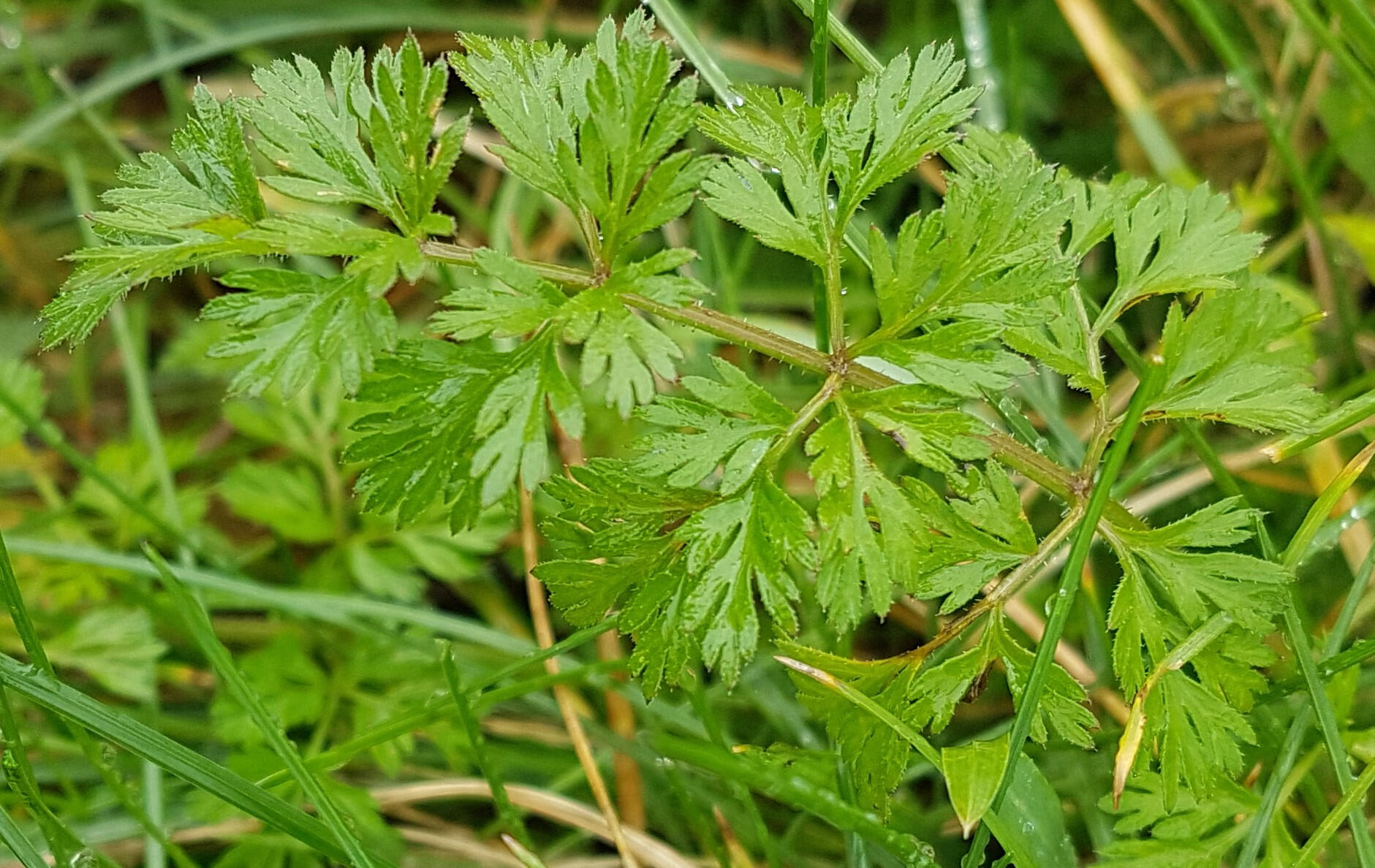
The leaves are alternate and tripinnate, finely divided and lacy, and overall triangular in shape. The leaves are bristly/hairy.
Flowers
The flowers are small and dull white, clustered in flat, dense umbels. The umbels are terminal and approximately 8 to 10 cm wide. They may be pink in bud and may have a reddish or purple flower in the centre of the umbel. As the seeds develop, the umbel curls up at the edges.
Seeds
Stem
Fruit
The fruits are oval and flattened, with short styles and hooked spines. The dried umbels detach from the plant, becoming tumbleweeds, spreading the seeds as they tumble.
Taste
Well, carrot-like frankly!
Frequency & law
Very common and not restricted, but of course seek landowner's permission before digging them up.
The nuanced bit

Possible confusion
Possible cow parsley (Anthriscus sylvestris) and hemlock (Conium maculum), but D. carota smells strongly of carrots, and usually has that red/purple central flower.

Habitat
Cultivated and waste land, amongst grass, especially by the sea and on chalk. Europe, including Britain, from Scandinavia south and east to N. Africa, China and eastern India.

How to harvest
It is in flower from June to August, and the seeds ripen from August to September. Like the cultivated carrot, the D. carota root is edible while young. Best to harvest in the first year while still small. The fruit/seeds are harvested in July and dried for later use.

Cooking tips
The root is thin and insubstantial, by the time it gets big enough to be worthwhile it is mostly wood. The seeds however, make an excellent carroty seasoning.

Other uses
An essential oil obtained from the seed has an orris-like scent (root of Iris germanica used in perfumery). It is used in perfumery and as a food flavouring. The oil has also been used cosmetically in anti-wrinkle creams.

Folklore
Apart from the stories relating to Queen Annes pricking her finger whilst making lace and dripping a drop of royal blood into the middle of the umbel, there doesn’t seem to be a great many stories about wild carrots.
A 3-hour session with a foraging expert, including ID work, finding and tasting wild ingredients, and a wild snack in Lymm
A 3-hour session with a foraging expert, including ID work, finding and tasting wild ingredients, and a wild snack at Chorlton Water Park.


