Spring

Edible

Back To Foraging Guide
White Deadnettle
Lamium album
.jpg)
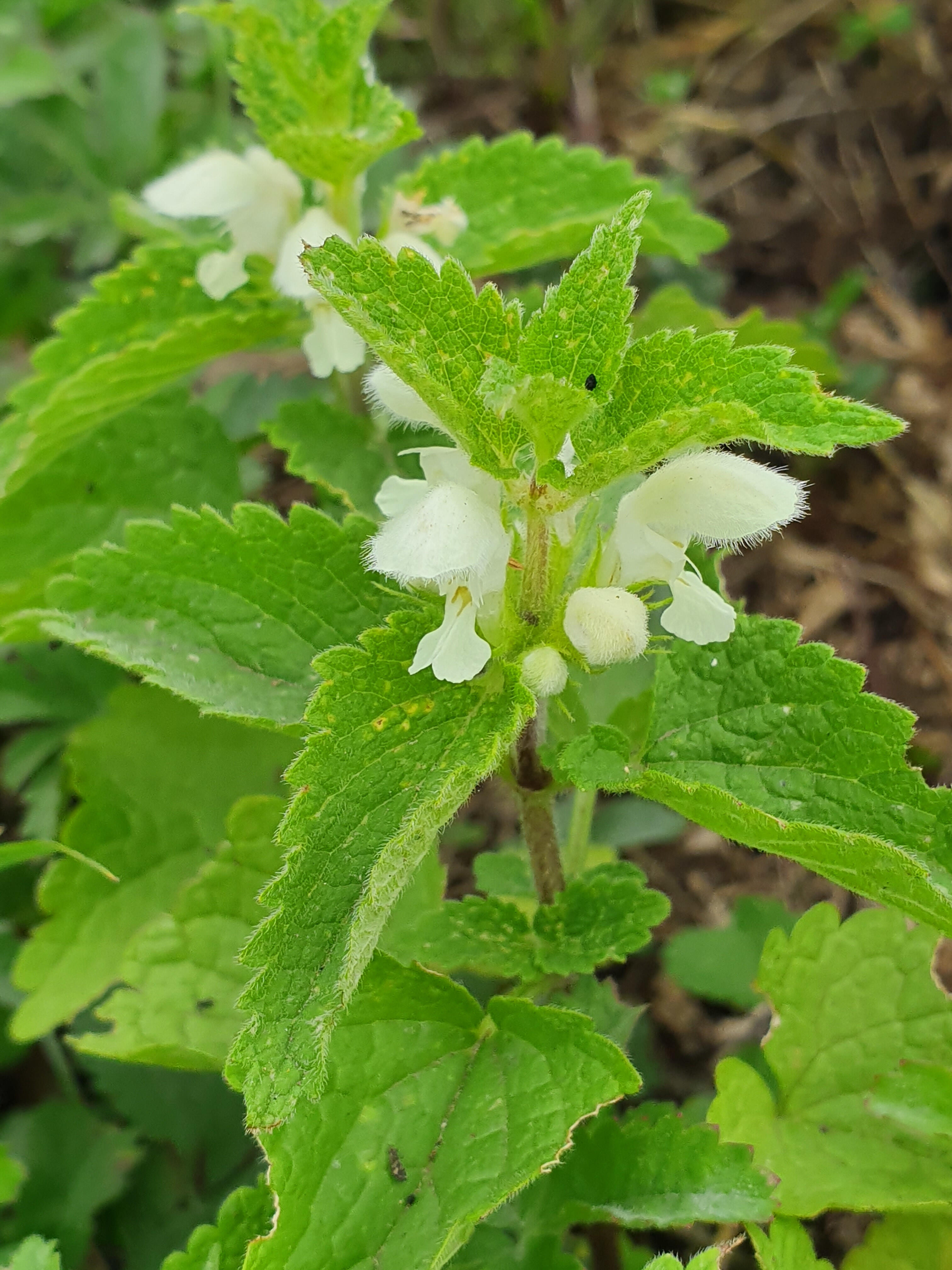

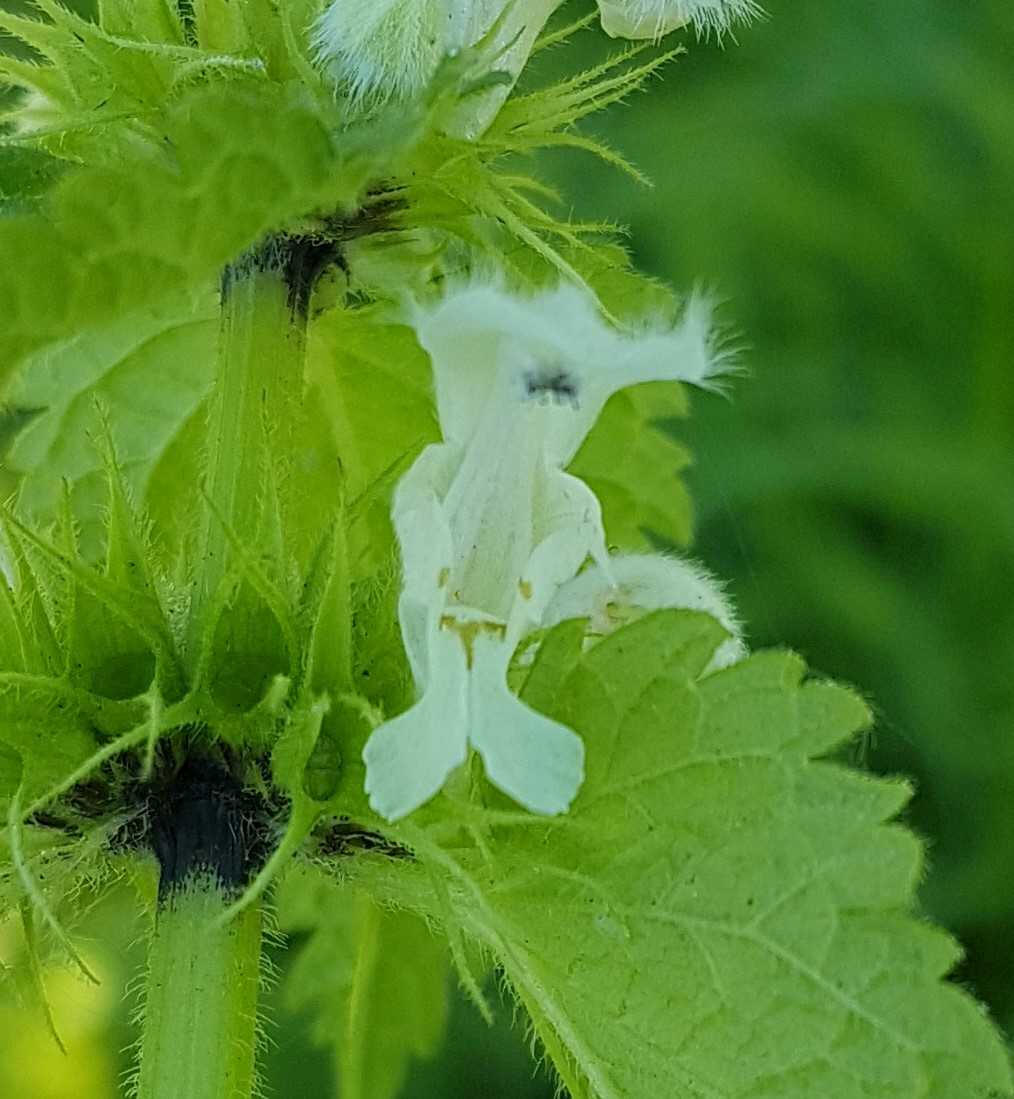
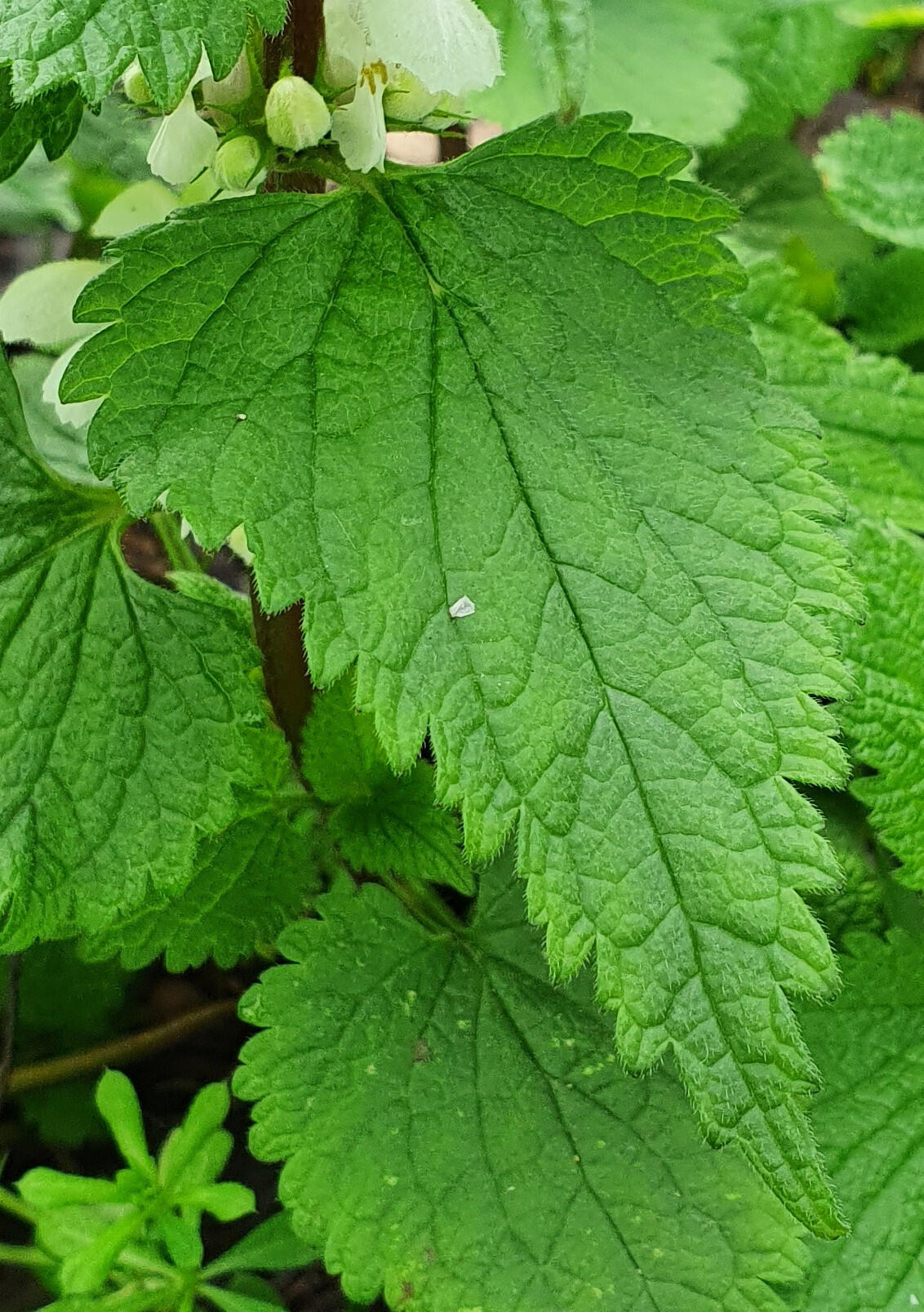
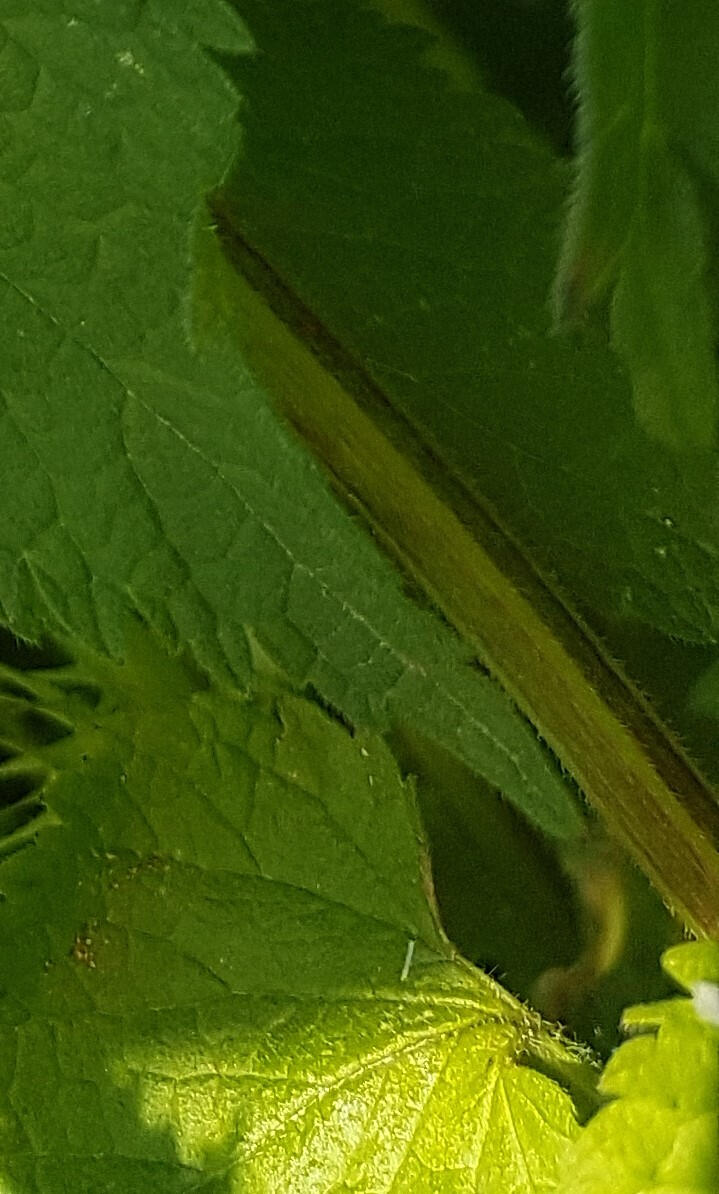

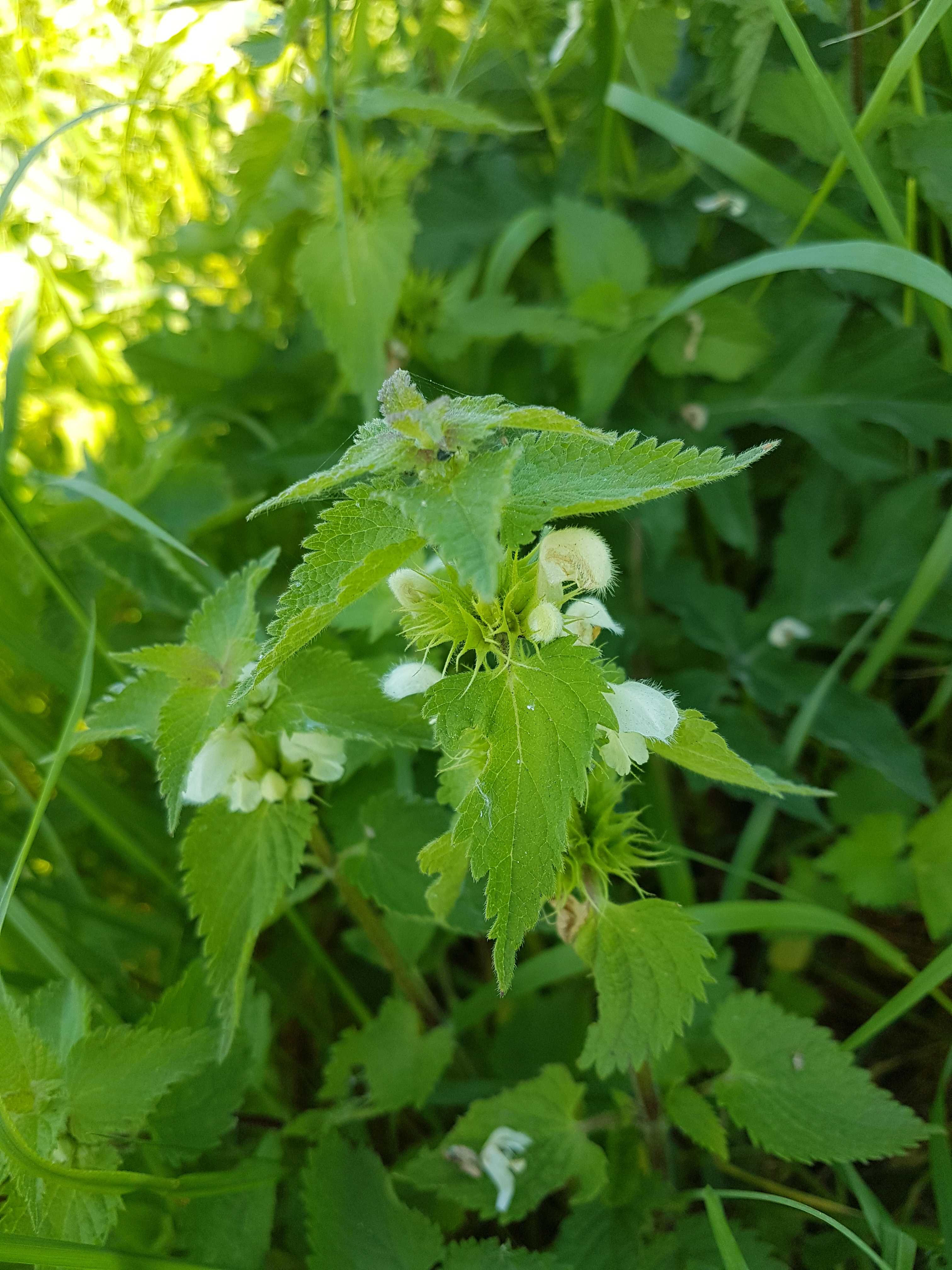
Lamium album is a perennial herb growing to 60cm tall, with green, four-angled stems, pointed leaves and white flowers.
Bee nettle, White nettle

Cap
Gills
Stem
Flesh
Leaves
The leaves are 3-8cm long and 2-5cm wide, triangular with a rounded base, softly hairy, and with a serrated margin. The leaves appear superficially similar to those of the Stinging nettle (Urtica dioica) but do not sting, hence the common name “dead-nettle”.
Flowers
The flowers are white, arranged in whorls on the upper part of the stem, the individual flowers 1.5-2.5cm long, and typical of Lamiaceae family flowers have 5 petals fused together in groups of 2 & 3, forming upper and lower “lips” leading to a funnel.
Seeds
Stem
The stems are softly hairy and square cross-sectioned.
Fruit
Taste
Quite bland really.
Frequency & law
Very common and not restricted.
The nuanced bit

Possible confusion
Stinging nettles are superficially similar, but have stinging hairs, and green flowers, but is also edible. Yellow deadnettles are also similar.

Habitat
Native to Europe and Asia. It was introduced to North America where it is naturalised now. Found in fields, hedgerows, woodland edges and clearings and moist waste ground.

How to harvest
Appears from February. It is in flower from May to December, and the seeds ripen from July to December. For medicinal applications the plant is harvested in the summer and can be dried for later use.

Cooking tips
Makes a useful potherb, or salad leaf.

Other uses
Young leaves - raw or cooked. Can be added to salads or mixed with other leaves and cooked as a potherb. Can also be dried for later use.

Folklore
A distillation of the flowers is reputed “to make the heart merry, to make a good colour in the face, and to make the vital spirits more fresh and lively".
A 3-hour session with a foraging expert, including ID work, finding and tasting wild ingredients, and a wild snack in Kirkby Lonsdale
A 3-hour session with a foraging expert, including ID work, finding and tasting wild ingredients, and a wild snack in Heversham.


