
Flora

Edible
Spring

Summer

Back To Foraging Guide
Silverweed
Potentilla anserina
.jpg)


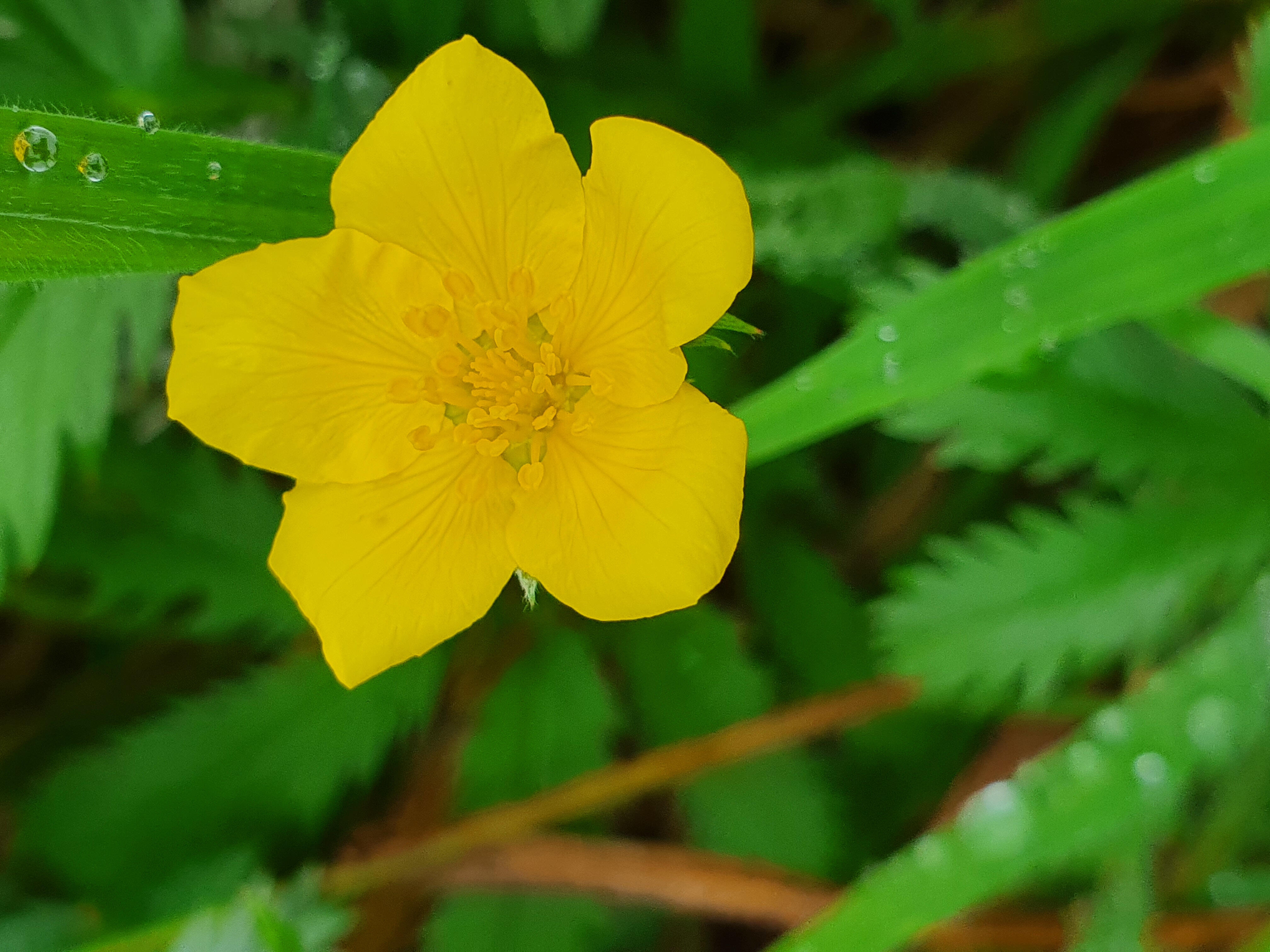
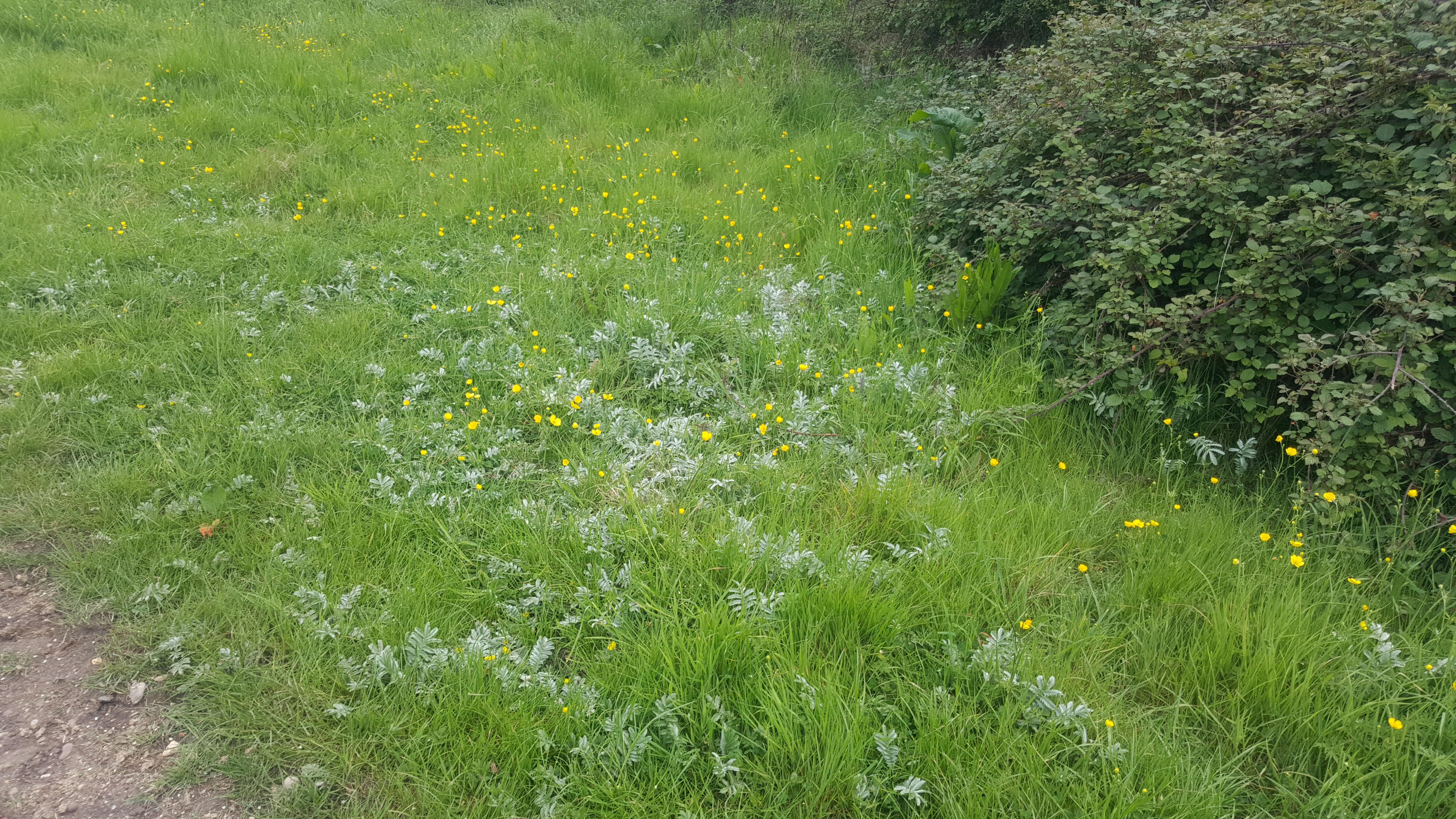
Silverweed is a low-growing herbaceous plant with creeping red stolons that can be up to 80 cm long. The flexible stems run along the ground, and when they contact disturbed soil they root at nodes. It has toothed, compound leaves with a grey/silver underside.
Argentina anserina, Common silverweed, Silver cinquefoil

Cap
Gills
Stem
Flesh
Leaves
The leaves are 10–20 cm long, evenly pinnate into in crenate leaflets 2–5 cm long and 1–2 cm broad, covered with silky white hairs, particularly on the underside.
Flowers
The flowers are produced singly on 5–15 cm long stems, 1.5-2.5 cm diameter with five (rarely up to seven) yellow petals. The flowers grow singly from the leaf axils.
Seeds
Stem
Fruit
The fruit is a cluster of dry achenes.
Taste
The roots have a distinctive parsnip-like flavour.
Frequency & law
Very common and not protected, although seek landowners permission before digging up roots.
The nuanced bit

Possible confusion
Cinquefoil (Potentilla repens) maybe? But Cinquefoil leaves are palmate.

Habitat
Ditches and moist calcareous soils, it also likes sandy, gravelly soils. A common weed of cultivation. Europe, including Britain, from Iceland south and east to Iran, the Himalayas, China and Japan.

How to harvest
The roots are harvested in late summer or autumn and dried for later use. The leaves can be harvested in early summer and dried for later use.

Cooking tips
If you can find chunky enough roots they are delicious fried or roasted.

Other uses
A sprig placed in the shoe can help prevent blisters and/or to absorb sweat.

Folklore
The pre-Linnaean name ”anserina” means “of the goose” (Anser), either because the plant was used to feed them or because the leaves reminded of the bird’s footmarks. In Sweden, the flower is called gåsört (goose-wort).
A 3-hour session with a foraging expert, including ID work, finding and tasting wild ingredients, and a wild snack at Meersbrook Park, Sheffield
A 3-hour session with a foraging expert, including ID work, finding and tasting wild ingredients, and a wild snack at Bassenthwaite Lake Station


