
Flora

Edible
Spring

Autumn

Back To Foraging Guide
Scot's Pine
Pinus sylvestris
.jpg)
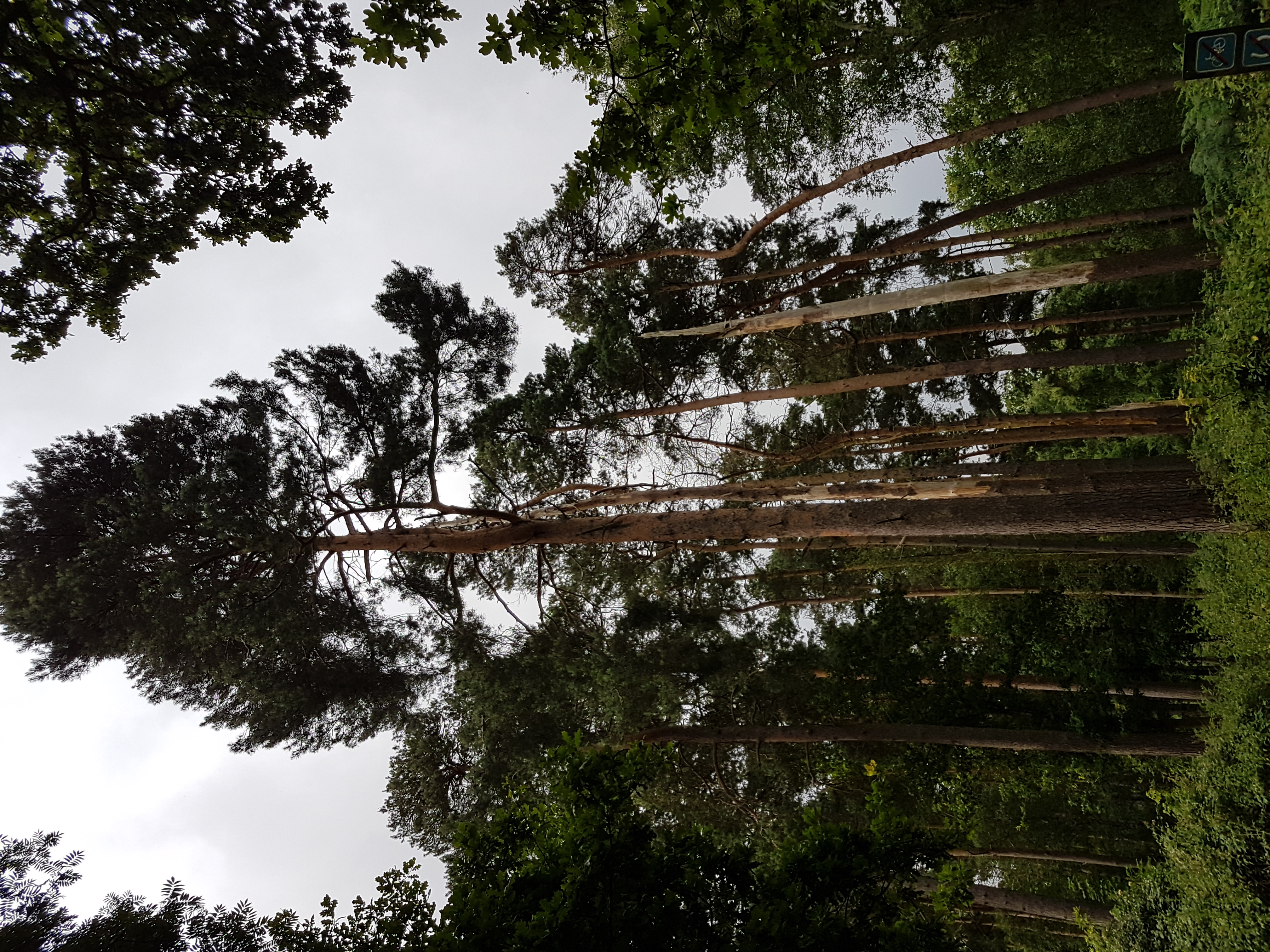


Scots pine is a tall (up to 35m), evergreen tree that stands out in winter with its distinctive orange-brown bark on the upper trunk, which flakes away in patches as the tree matures. They can typically be up to 1m in diameter and can live up to 300 years.

Cap
Gills
Stem
Flesh
Leaves
The needles are blue-green, slightly twisted, and always grow in pairs, each needle measuring between 4 and 7 centimetres long. On healthy young trees, in favourable locations, the needles can be up to twice as long.
Flowers
The seed cones are red when pollinated, then turn pale brown. The pollen cones are yellow, occasionally pink.
Seeds
The seeds are 3-5mm and attached to a small brown wing. They are released around 2 years after pollination.
Stem
The bark is thick, flaky and orange-red when young to scaly and grey-brown in maturity. The habit of the mature tree is distinctive due to its long, bare and straight trunk topped by a rounded or flat-topped mass of foliage.
Fruit
Taste
Resinous, citrus and refreshing.
Frequency & law
Very common and not restricted.
The nuanced bit
Sometimes people struggle with identification of pines, spruces, firs, larches, etc. but once learned, they are easily identified.

Possible confusion
Although our only native Pinus species in the UK is Scot’s pine, other Pinus species are widely planted in parks, gardens and plantations and could be mistaken for Scot’s Pine, such as Monterey pine (P. radiata), Corsican pine (P. nigra subsp. Laricia), and Lodgepole pint (P. contorta subsp. Latifolia).

Habitat
Native to Eurasia, Pinus sylvestris stretches from Scotland and Scandinavia across Russia to eastern Siberia. Thrives on well-drained, sandy soils, heathlands, upland forests, and open hillsides. Found in both ancient woodlands and commercial plantations.

How to harvest
Needles: Available year-round; best flavour and nutrition in late winter/early spring. Only take a small amount from each tree to avoid stressing the plant.

Cooking tips
n/a

Other uses
Needles: Fire-starting tinder, natural insulation, bedding (although you’ll need a tough layer on top because they’re very sharp. Resin: Waterproofing, glue, wound dressing (antiseptic properties, folk use). For making Pine Tar; used for glue and waterproofing.

Folklore
Scots pine has carried a reputation for resilience and renewal across many cultures, likely because it’s one of the few trees that stays green and upright through the harshest winters.
A 3-hour session with a foraging expert, including ID work, finding and tasting wild ingredients, and a wild snack in Heversham.
A 3-hour workshop with a foraging expert, which includes ID guidance, picking wild ingredients and using them to prepare a meal.


