
Flora

Edible

Spring

Summer

Back To Foraging Guide
Mugwort
Artemisia vulgaris
.jpg)
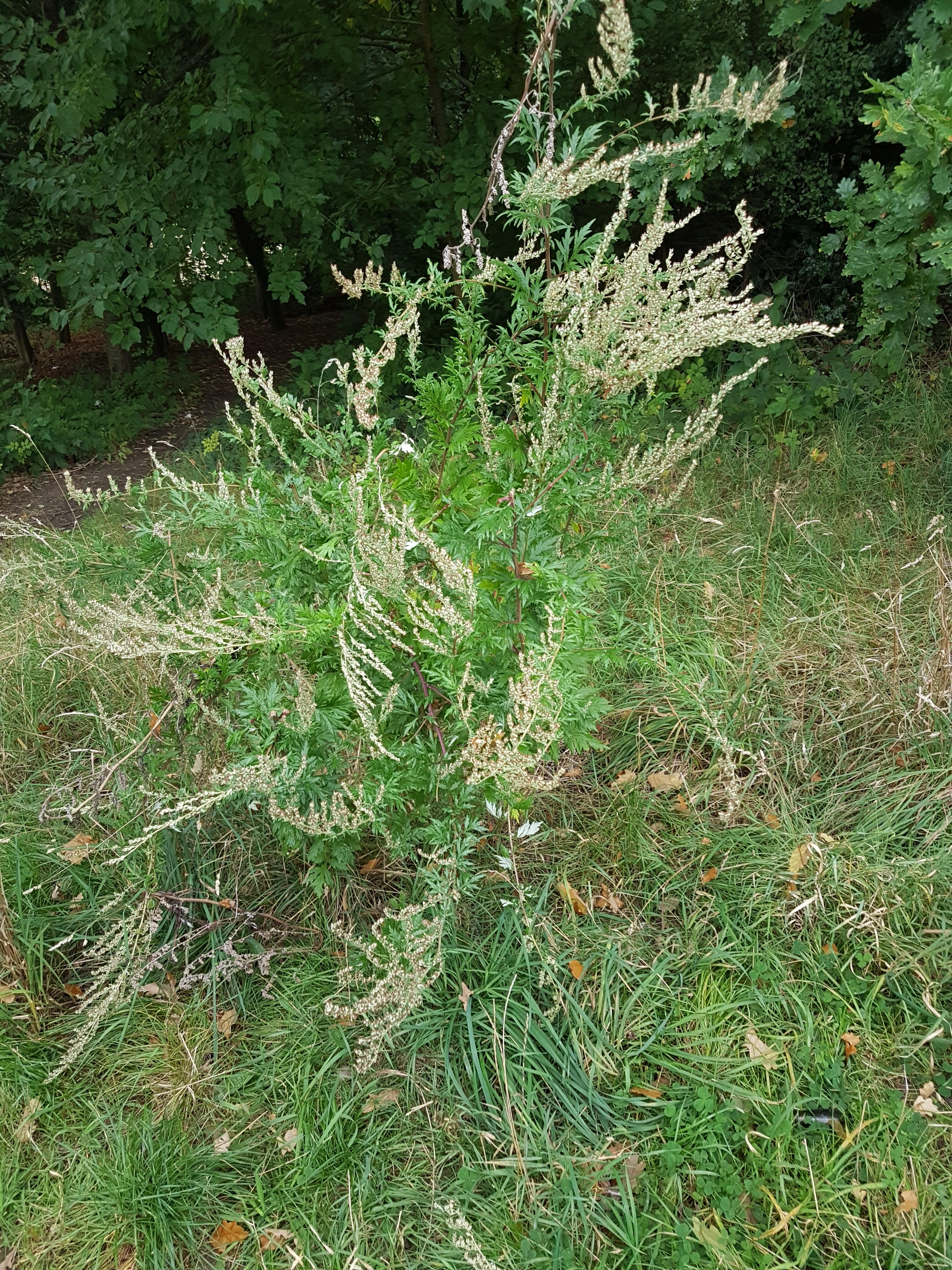
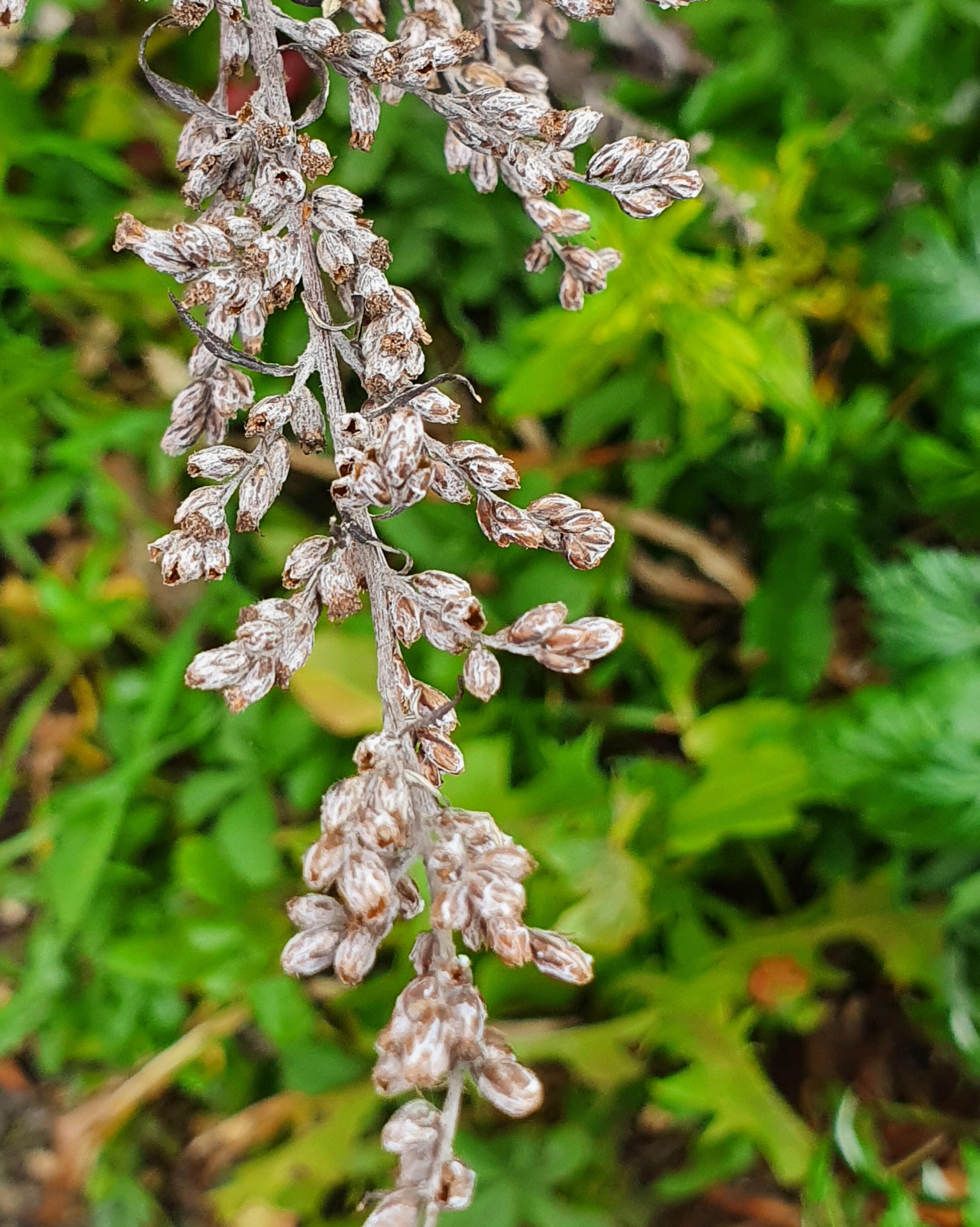
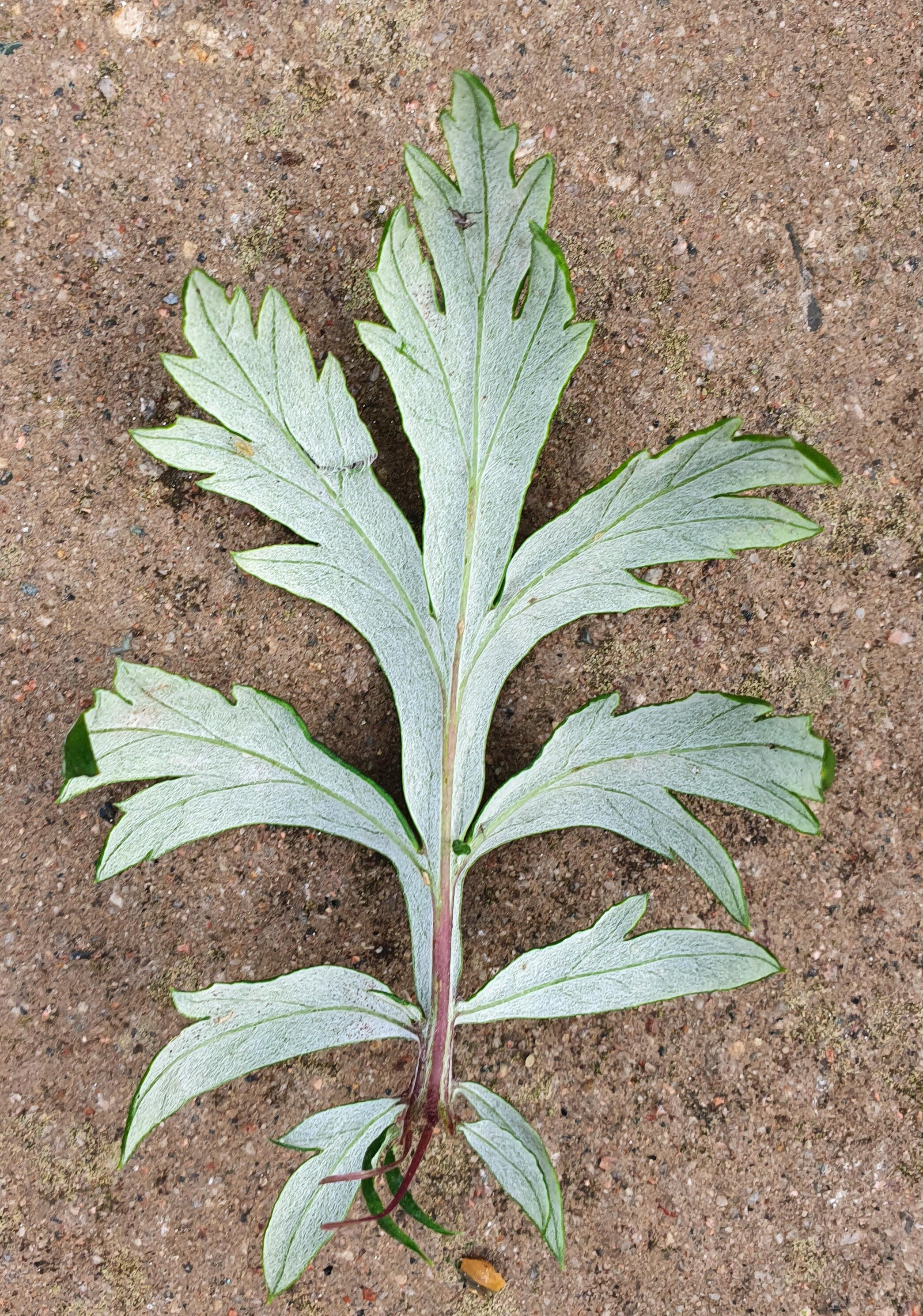
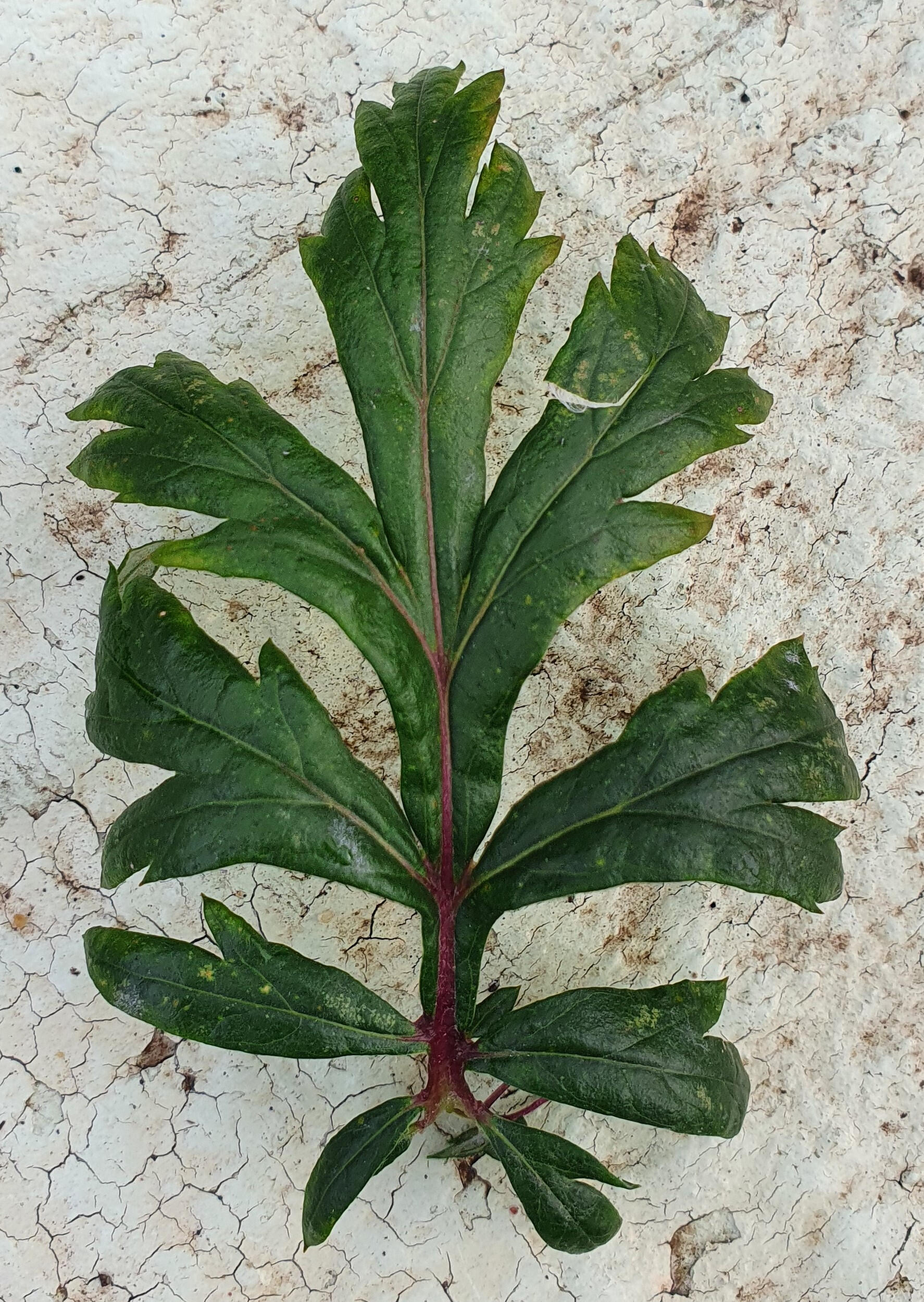

Artemisia vulgaris is a tall herbaceous perennial plant growing 1–2 m tall, with a woody root and extensive rhizomes. Whilst it can spread by seed, it also spread by those rhizomes. The leaves are 5–20 cm long, dark green, pinnate and sessile, with dense, short, white, downy hairs on the underside. The stiff stems are grooved and sometimes have a reddish tinge. The small florets (5 mm long) are radially symmetrical with many yellow or red petals. The narrow and numerous capitula (flower heads), all fertile, spread out in racemose panicles. It flowers from mid-summer to early autumn.
Chrysanthemum weed, Common wormwood, Felon herb, Jack bacca, Moxa, Naughty Man, Old Man, Old Uncle Henry, Riverside wormwood, Wild wormwood

Cap
Gills
Stem
Flesh
Leaves
The leaves are 5–20 cm long, dark green, pinnate and sessile, with short, dense, downy, white hairs on the underside.
Flowers
Small florets (5 mm long), radially symmetrical with many yellow or red petals. Narrow and numerous capitula (flower heads), all fertile, spread out in racemose panicles. It flowers from mid-summer to early autumn.
Seeds
Stem
The stiff stems are grooved and sometimes have a reddish tinge.
Fruit
Taste
A subtle and delicious sweet and floral taste.
Frequency & law
Common and not restricted.
The nuanced bit
Whilst mugwort was used in the past as a mild psychoactive herb, don't expect too much from it. It really is a gentle relaxant though.

Possible confusion
There are many species in the Artemisia genus and some can look superficially similar. Be certain that you have the correct species for using it for anything.

Habitat
Common on hedge banks and waysides, uncultivated and waste land. Throughout most temperate regions of the northern hemisphere, including Britain. It likes nitrogenous soils so is commonly found on roadsides and wasteland, and alongside stinging nettles and other “weedy” plants.

How to harvest
The leaves are harvested in August and can be dried for later use. The roots are harvested in the autumn and dried for later use.

Cooking tips
I find that mugwort is best used as an infusion of flavour rather than a vegetable.

Other uses
The dried leaves are often smoked or drunk as a tea to promote lucid dreaming. This supposed effect is believed to be due to the thujone contained in the plant. It has been used as an ingredient in perfumes and soap – give the flowers a rub and inhale deeply and you’ll see why.

Folklore
There is a legend that St. John the Baptist wore a girdle of Mugwort, and garlands made from plants cured in the smoke from St. John’s Eve bonfires were believed to protect a home from evil.
A 3-hour session with a foraging expert, including ID work, finding and tasting wild ingredients, and a wild snack at Low Sizergh Barn
A 3-hour session with a foraging expert, including ID work, finding and tasting wild ingredients, and a wild snack at The Tram, Kendal.


