
Poisonous
Spring

Summer

Back To Foraging Guide
Lords and Ladies
Arum maculatum

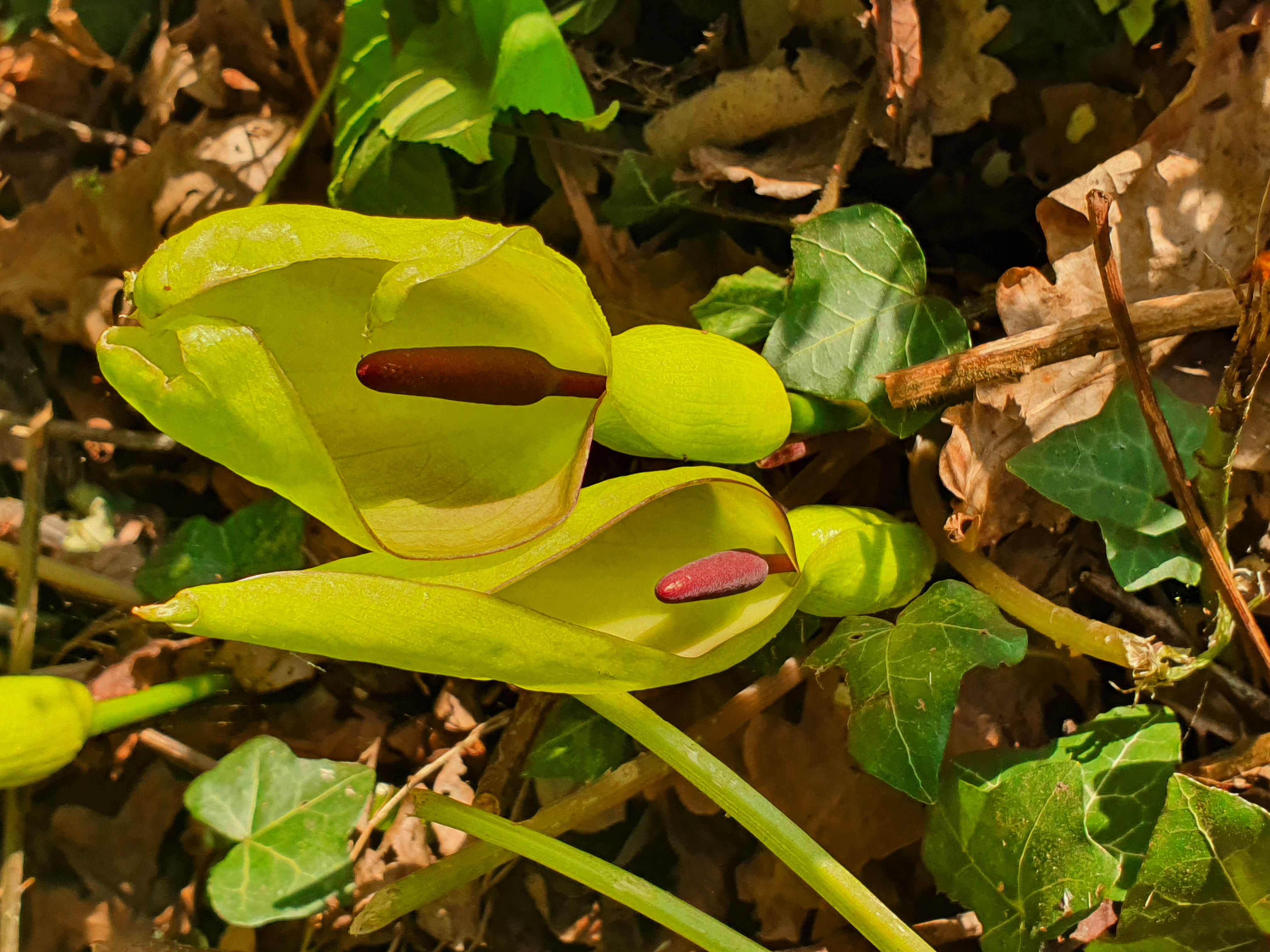
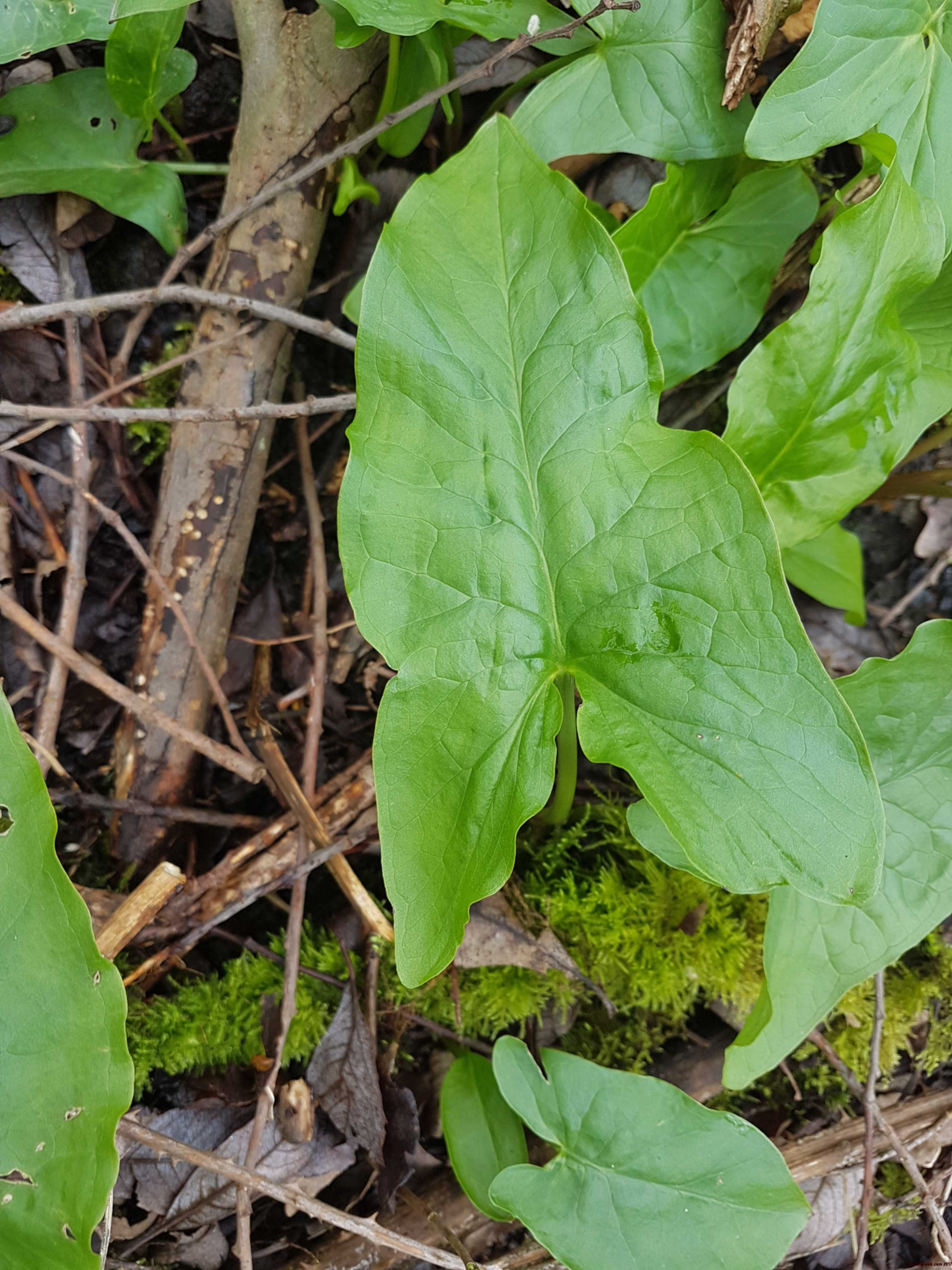
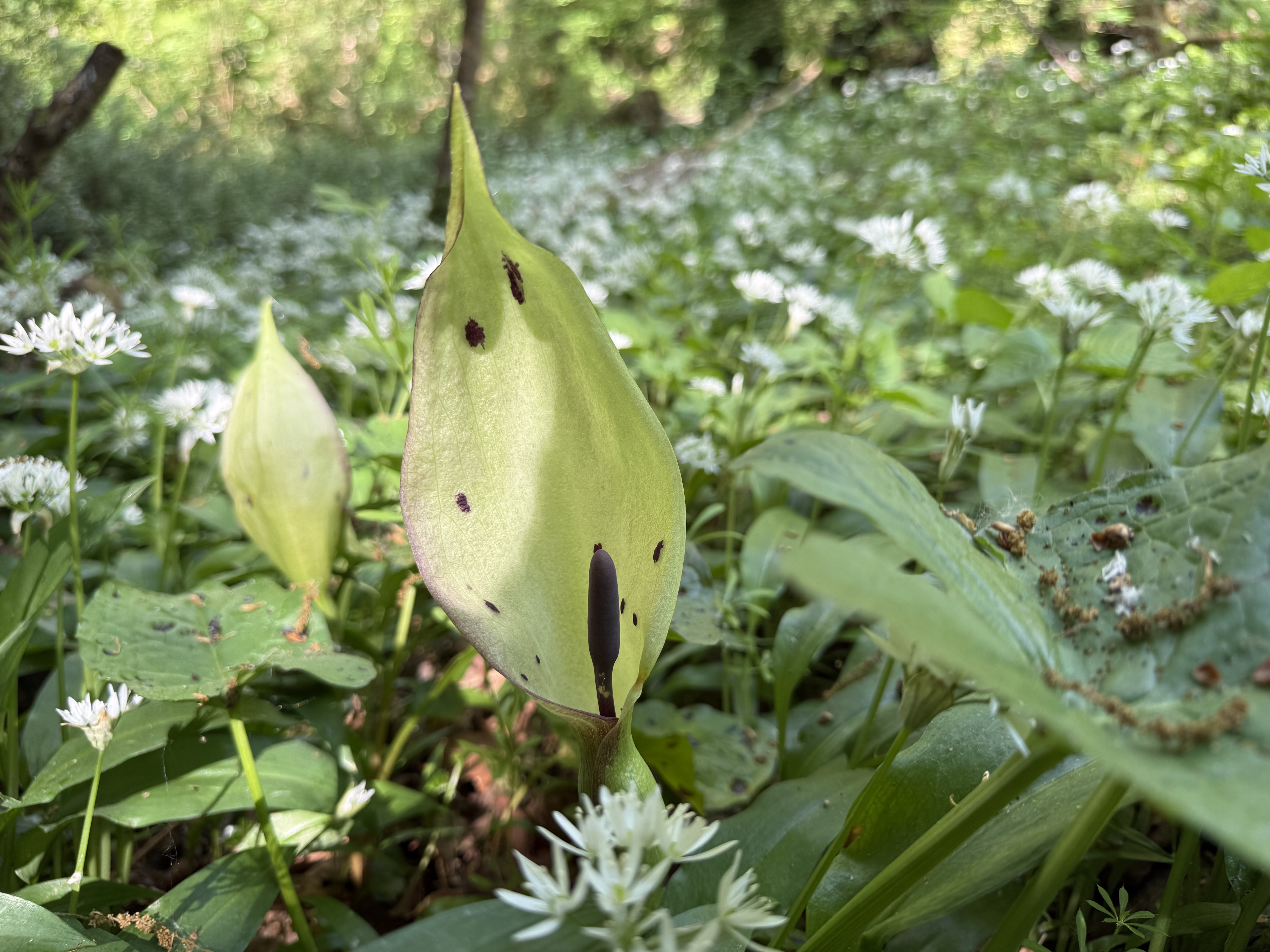
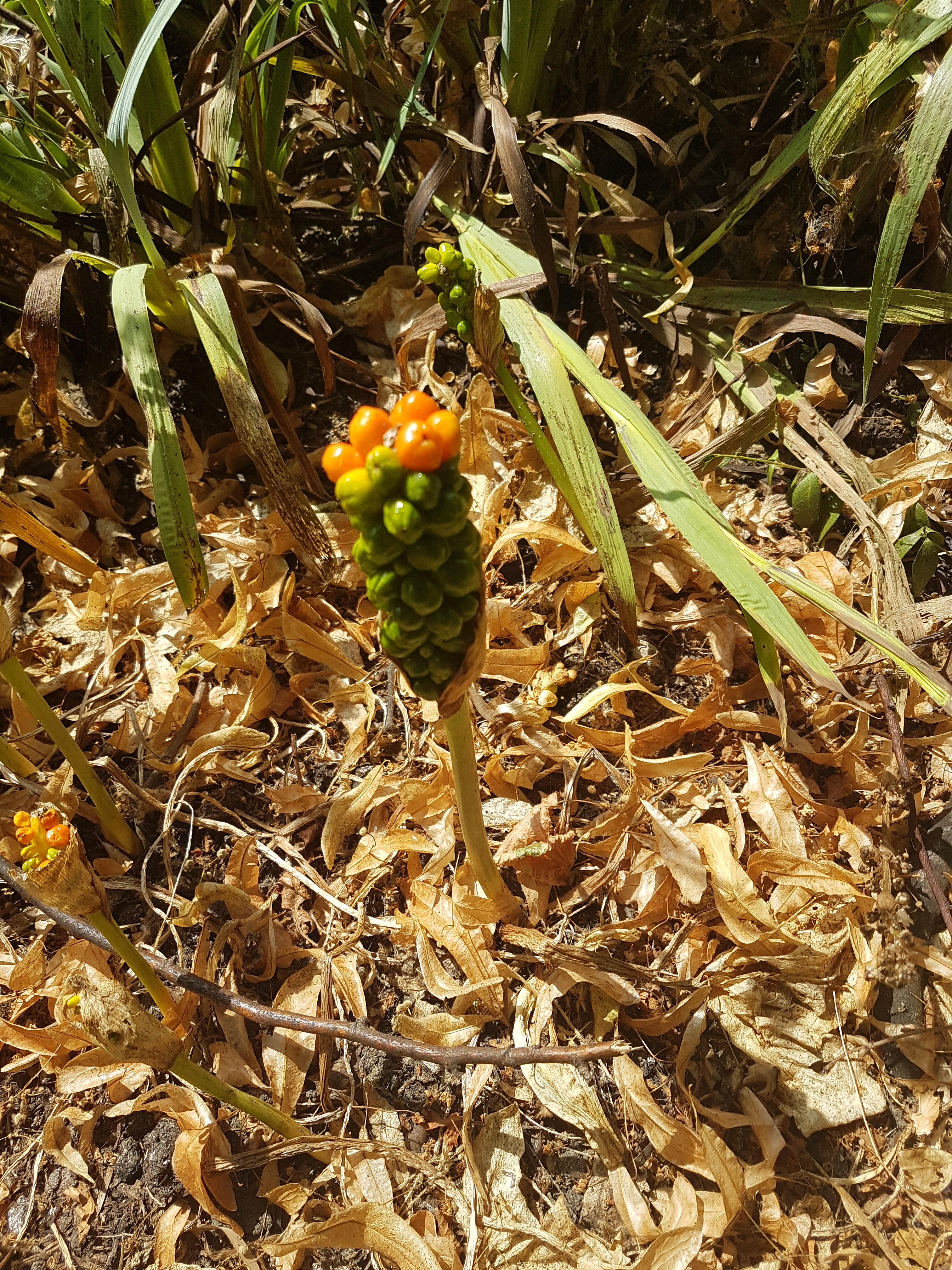
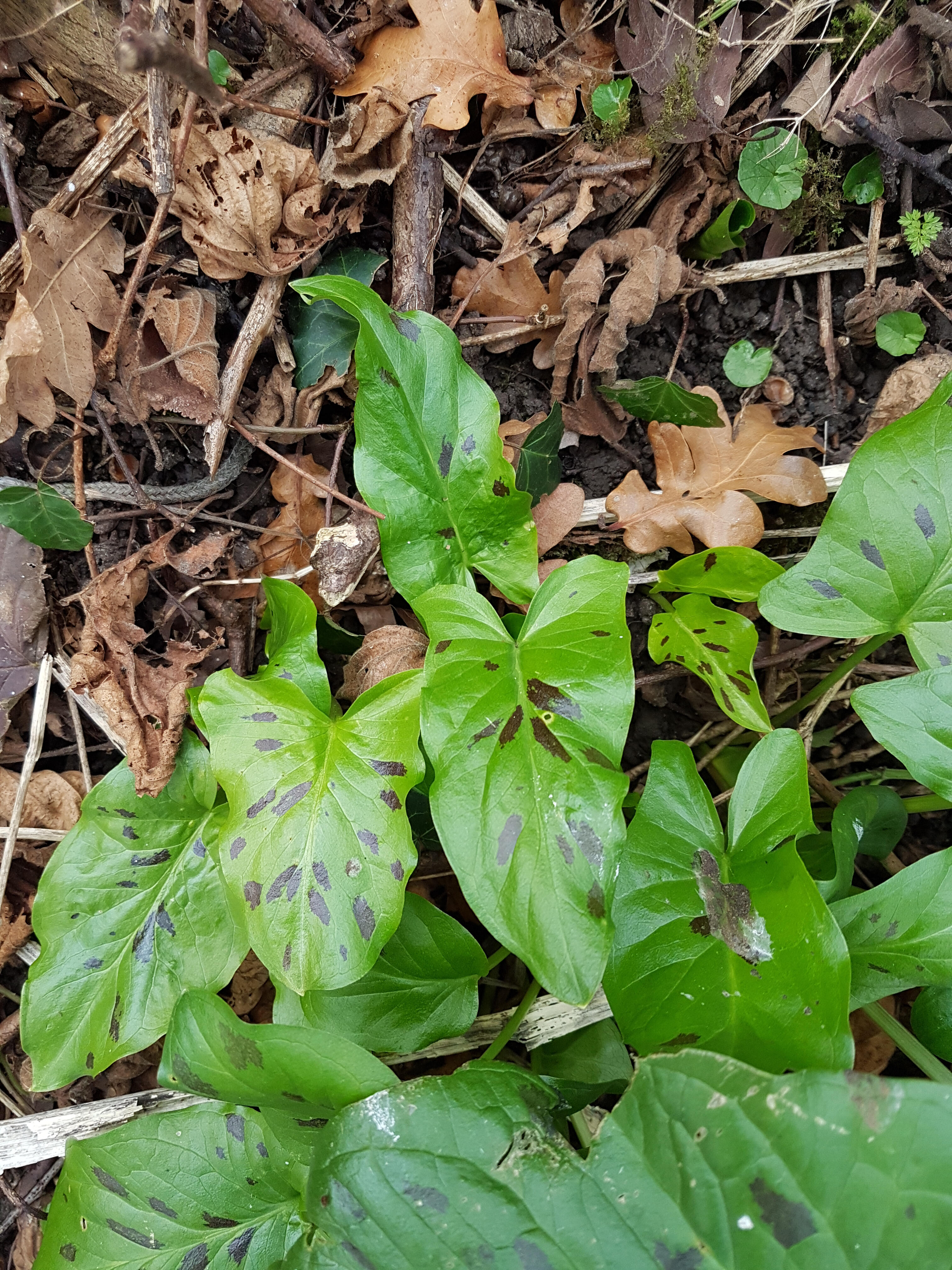
In spring, this plant is easy to spot by its arrow-shaped leaves—sometimes referred to as “bunny ears”! You may notice black blotches on the leaves. Turn the leaf over, and you might see a stained-glass effect, which is a great way to compare it to its possible lookalike in early spring, common sorrel. At first, they can look similar, but as you get to know them, the difference becomes clear: Lords and Ladies have sharper, no-nonsense leaf shapes and are shiny, while sorrel leaves are softer and more rounded. Important: The leaves are poisonous if eaten raw. Eating them can feel like having shards of sharp crystal in your mouth - i.e. very painful - and they can upset your stomach. They are not usually fatal, but definitely unpleasant. Later in the year, lollipop-like berries appear in late summer and autumn. They are bright, mystical, and tempting, especially for children—but they are not edible. Instead, enjoy their beauty and magical appearance in the wild.
Arum Lily

Cap
Gills
Stem
Flesh
Leaves
Shape: Arrowhead or “bunny ear” shaped (AKA 'sagittate'), pointed tip, rounded lobes. Color/Pattern: Bright green with occasional black blotches. Underside: May look like stained glass in sunlight.
Flowers
Spadix & Spathe: Small green spadix wrapped in a pale green hood (spathe) early spring. Look a lot like a lily, hence the other common name of 'Arum Lily'.
Seeds
Stem
Fruit
Appearance: Small, bright red or orange, lollipop-like clusters. Highly toxic.
Taste
Frequency & law
Very common. No restrictions.
The nuanced bit
Interestingly, in some Eastern European traditions, the leaves are cooked and added to dishes like quinoa, showing how cultural knowledge varies.

Possible confusion
Common Sorrel (edible) Wild Garlic (edible, generally only picked by mistake)

Habitat
Shaded woodland edges, hedgerows, grassy banks.

How to harvest

Cooking tips

Other uses
The root, when very well roasted, is edible and was once traded as 'Portland sago' — used like salep to make saloop, a drink popular before tea or coffee, and as an arrowroot substitute.

Folklore


Find out which workshop type is the one for you


A comprehensive guide to foraging for wild garlic

Jim invites you to join us on one of our popular foraging workshops
A 3-hour session with a foraging expert, including ID work, finding and tasting wild ingredients, and a wild snack at Bassenthwaite Lake Station
A 3-hour session with a foraging expert, including ID work, finding and tasting wild ingredients and a wild food taster in Stockport.


