
Flora

Poisonous

Back To Foraging Guide
Hemlock
Conium maculatum
.jpg)
.jpg)
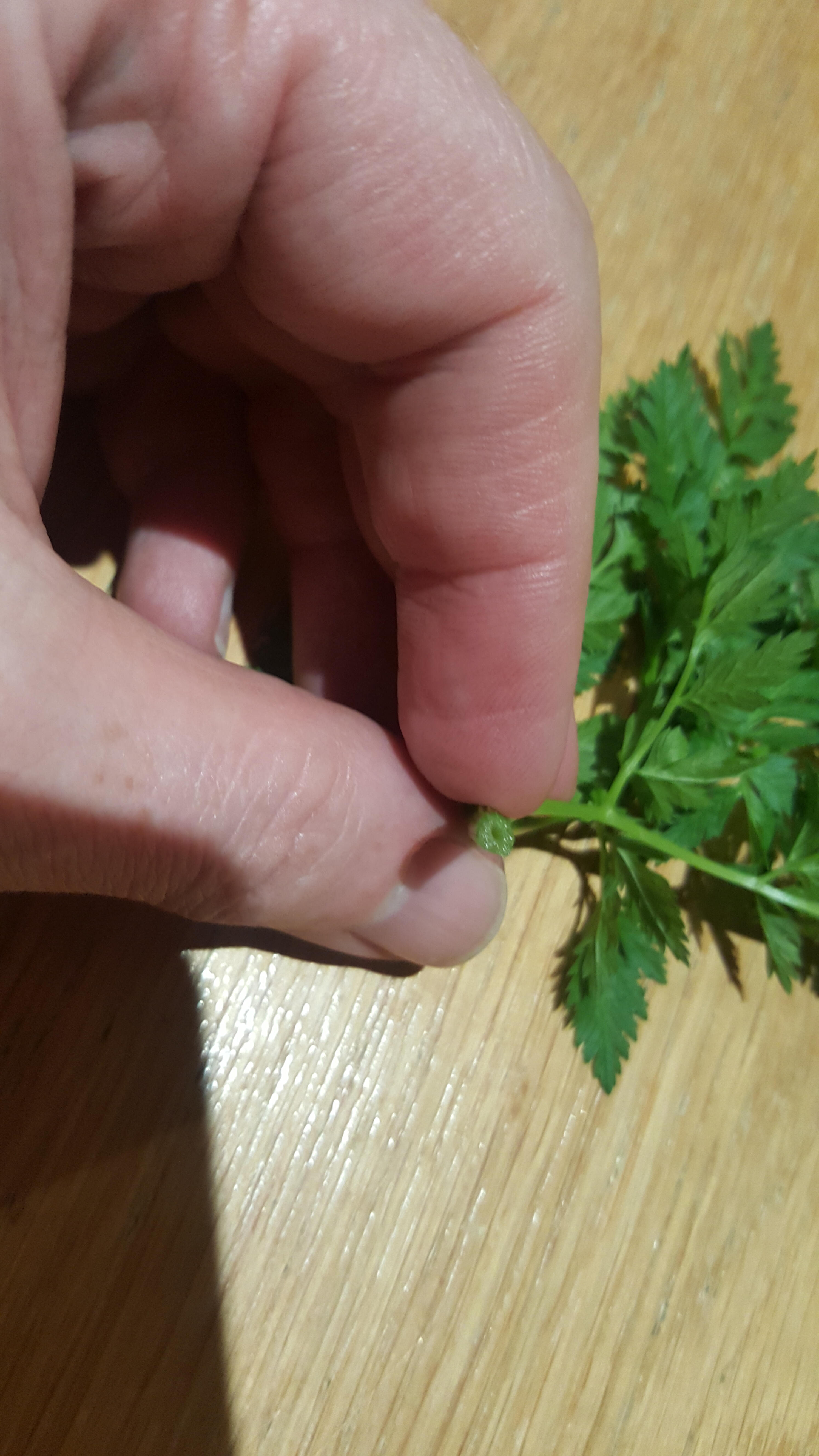
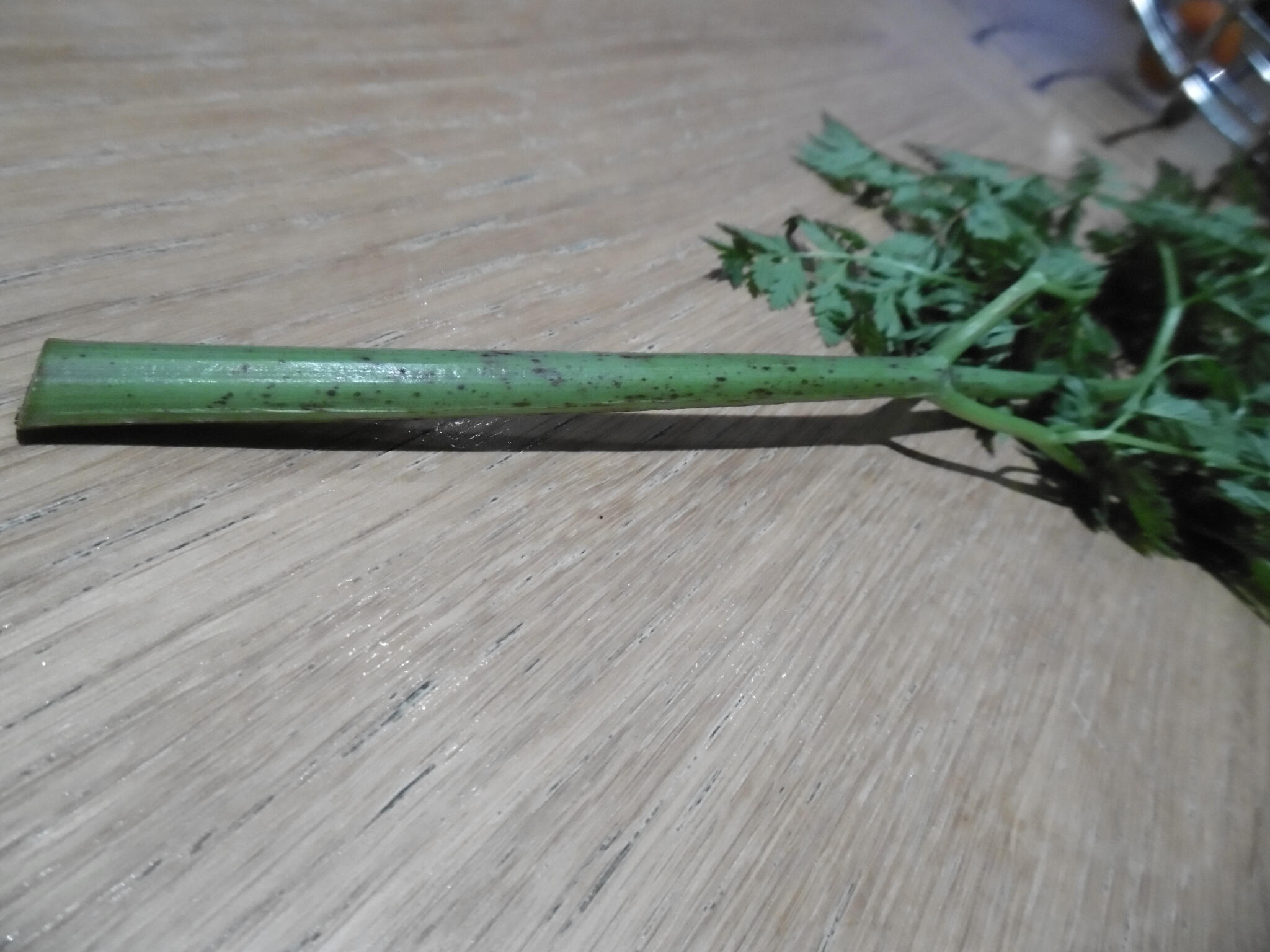
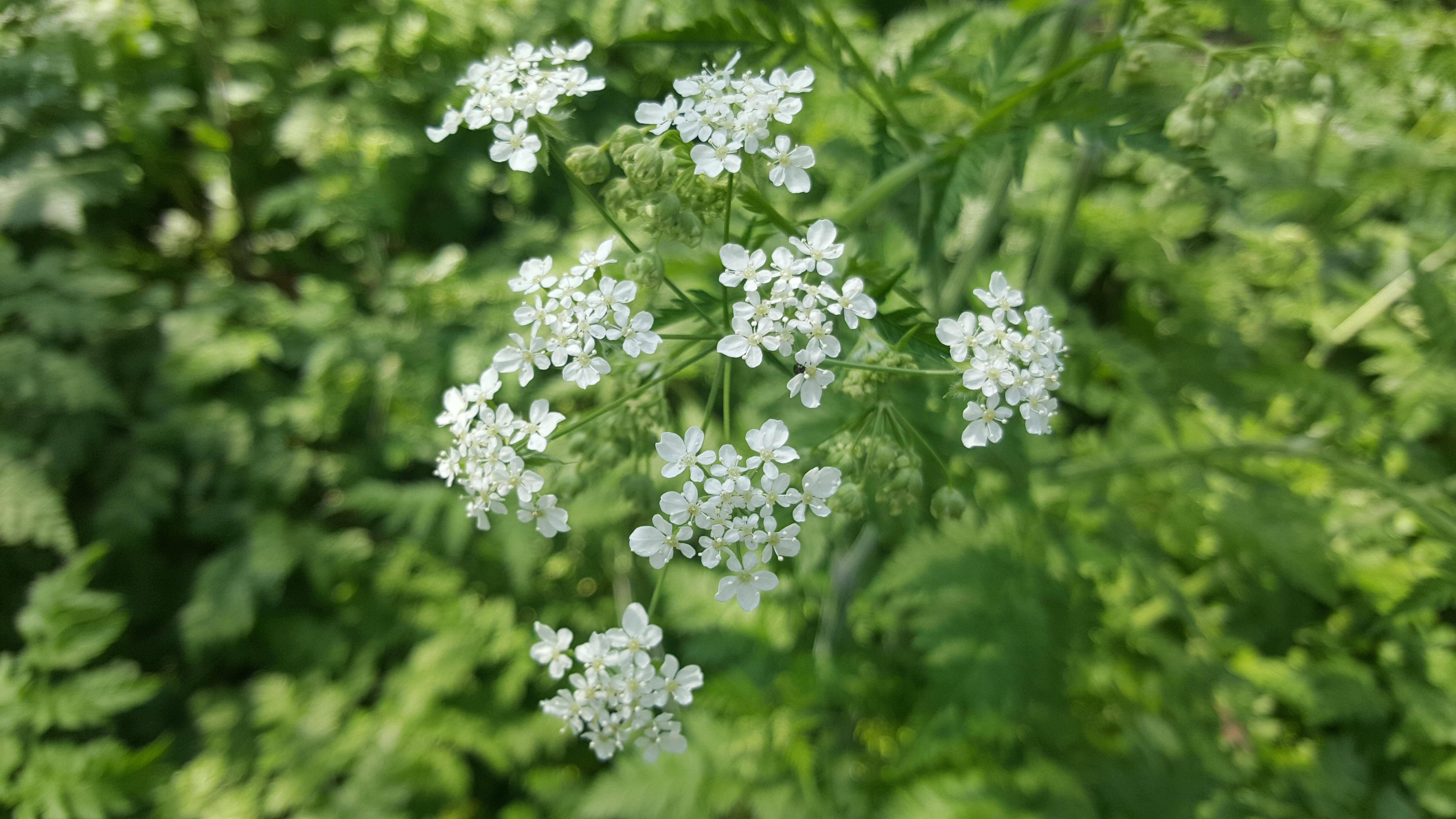
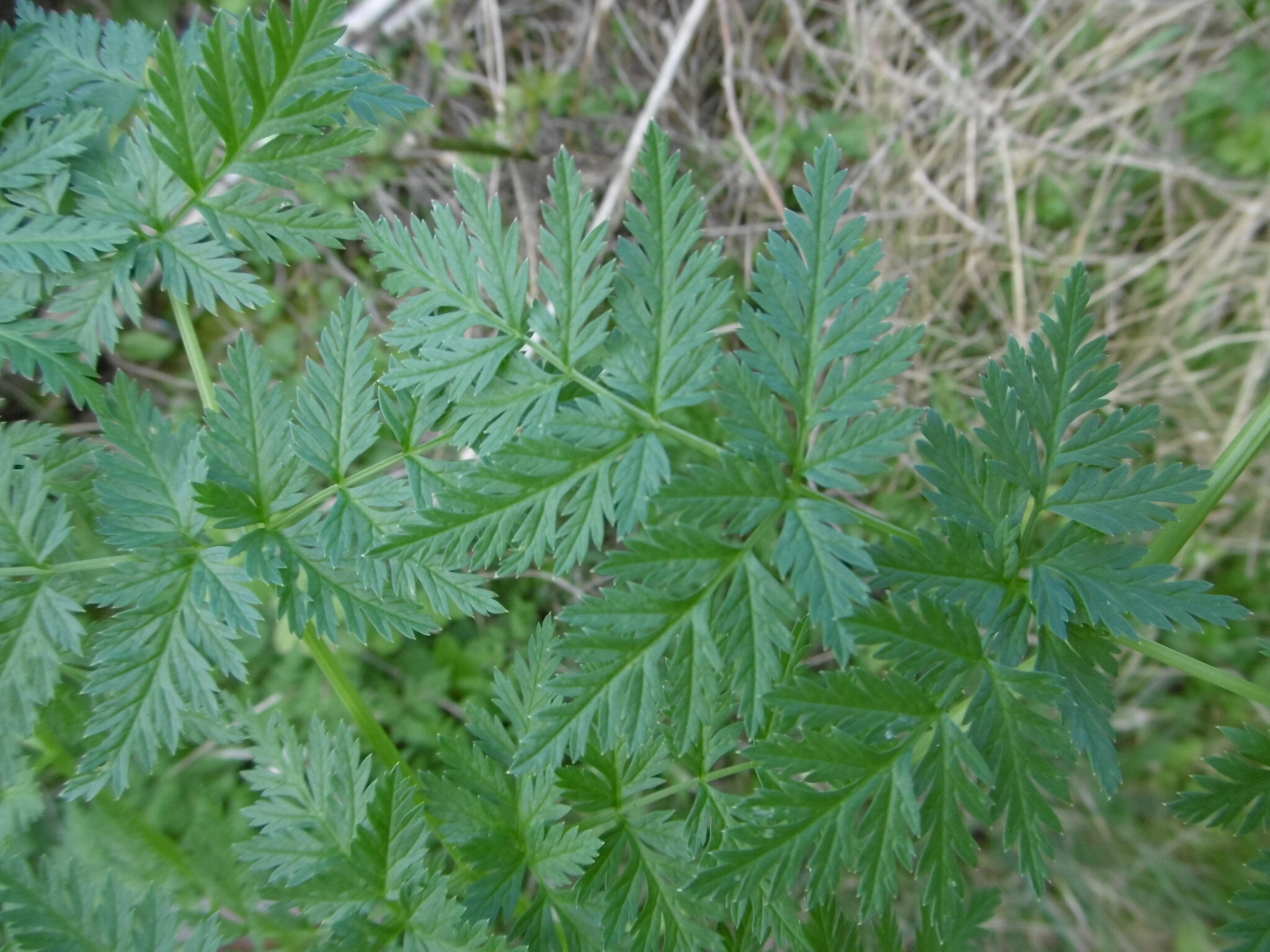
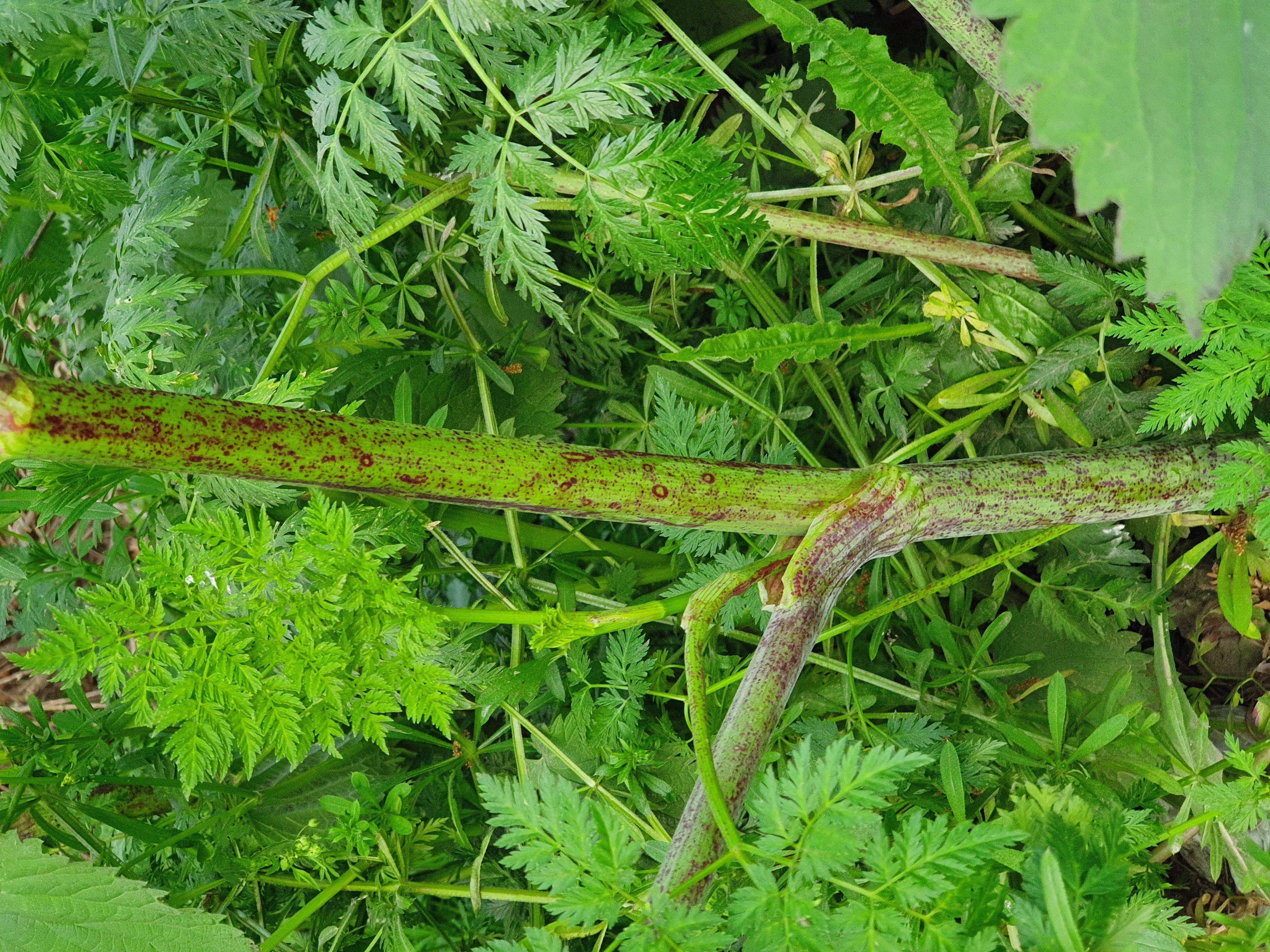
a highly poisonous biennial herbaceous flowering plant in the carrot family Apiaceae, native to Europe and North Africa. A hardy plant capable of living in a variety of environments, hemlock is widely naturalized in locations outside its native range.
Australian carrot fern, Devil's porridge, Irish devil's bread, Poison hemlock, Poison parsley, Spotted corobane, Spotted hemlock

Cap
Gills
Stem
Flesh
Leaves
The leaves are two- to four-pinnate, finely divided, hairless and lacy, overall triangular in shape, up to 50 cm long and 40 cm broad.
Flowers
The flowers of hemlock are white and bloom in an umbrella shape pattern in spring. Plants in the Apiaceae family have flowers that appear in compound umbels, which means that all of the little umbrellas branch out from one main, central umbrella – the poison hemlock umbel is quite rounded.
Seeds
Globular and winged. Like an over-inflated rugby ball with ridges from top to bottom.
Stem
Grows to 1.5 to 2.5 m tall, with a smooth, hairless, green, hollow stem, usually spotted or streaked with red or purple on the lower half of the stem.
Fruit
Taste
n/a
Frequency & law
Very common and not restricted
The nuanced bit
The biggest issue with Hemlock, like may of the apiaceae family, is that it looks considerably alike to other edible plants. The Apiaceae family is not one to be trifled with.

Possible confusion
Many of the Apiaceae family look similar and Hemlock is no exception. Lookalikes include cow parsley, fool’s parsley, chervil, sweet cicely and so on. The fact that so many good edibles resemble the poisonous members of the Apiaceae family is the reason why we recommend leaving the entire family to more experienced foragers.

Habitat
Waste ground and in damp places, avoiding acid soils and heavy shade. Europe, including Britain, West Asia, North Africa, and North and South America.

How to harvest
n/a

Cooking tips
n/a

Other uses

Folklore
At the age of 70, Socrates was brought to trial for “corruption of the youth” and “failing to acknowledge the Greek gods, and introducing new gods”. He was found guilty and sentenced to death by drinking poison hemlock.
A 3-hour session with a foraging expert, including ID work, finding and tasting wild ingredients, and a wild snack at Castle Meadows.
A 5-hour course with a foraging expert, which includes ID work, tasting wild ingredients and a wild-inspired feast near Crow Park Road, Keswick.


