
Flora

Edible
Spring

Autumn

Back To Foraging Guide
Hawthorn
Crataegus monogyna
.jpg)

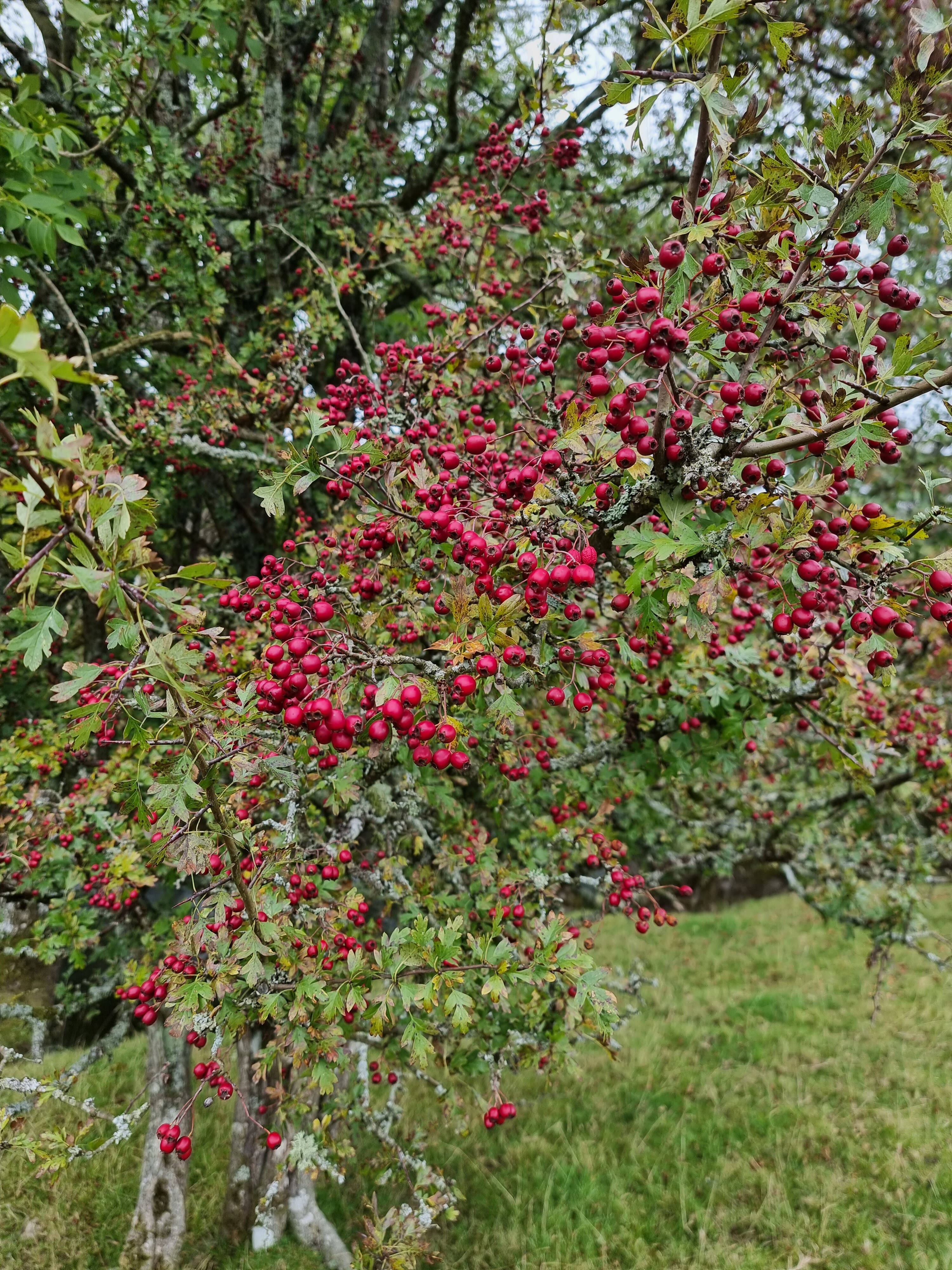


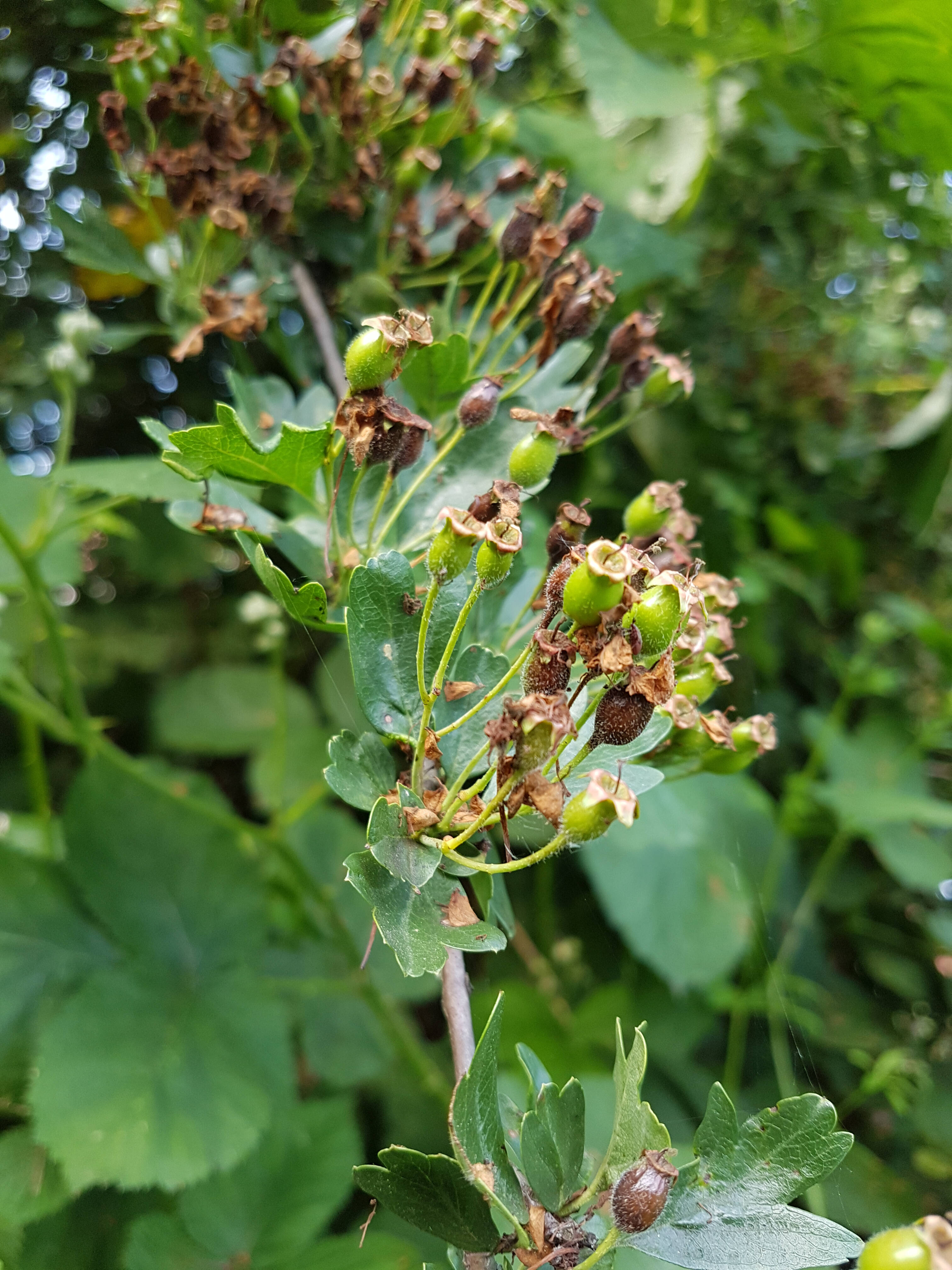
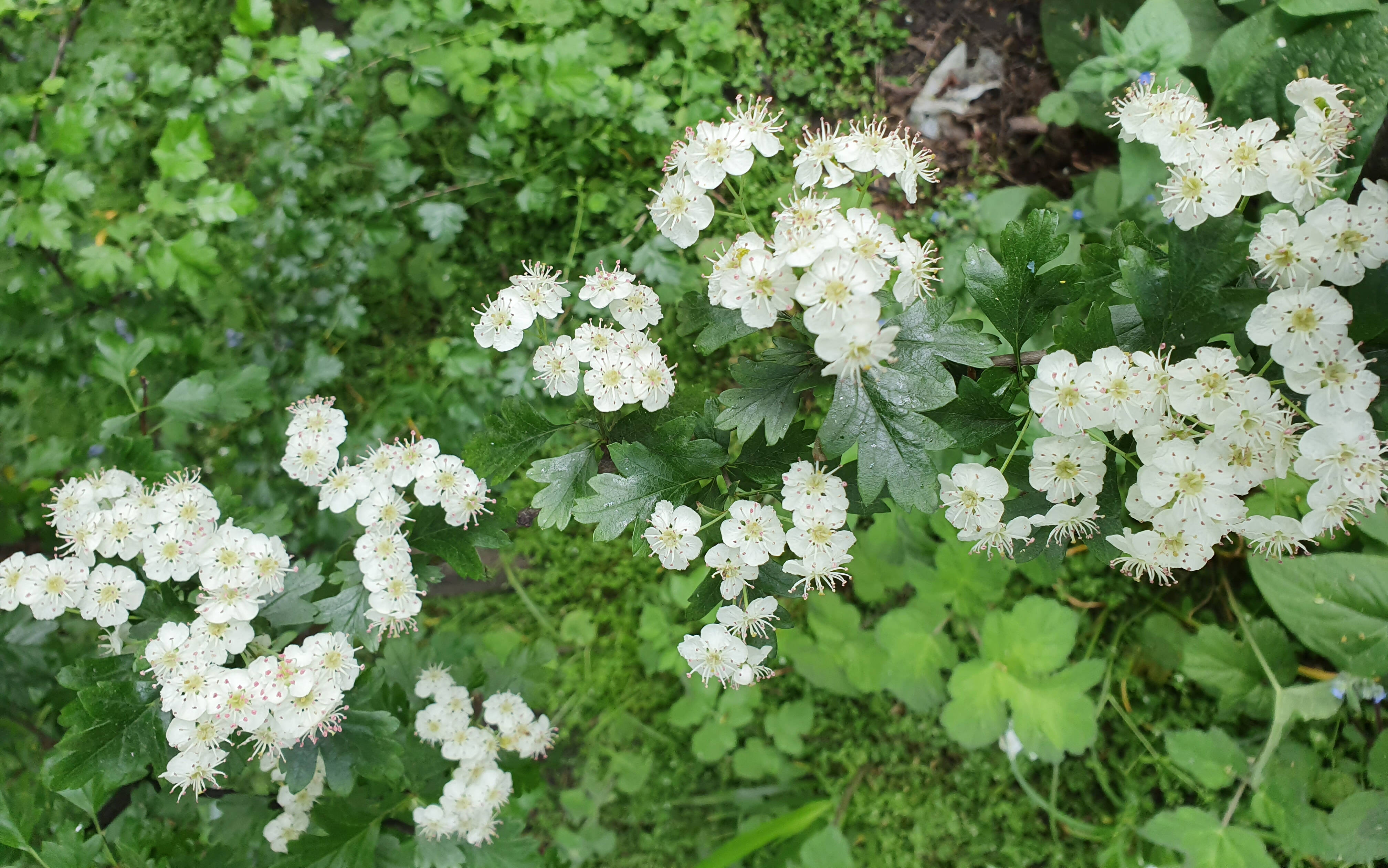
Mature trees can reach a height of 15m and are characterised by their dense, thorny habit, though they can grow as a small tree with a single stem. Named after the month in which it blooms and a sign that spring is turning to summer. The pale green leaves of this hedgerow staple are often the first to appear in spring, with an explosion of pretty pale-pink blossom in May. It simply teems with wildlife from bugs to birds.
Common Hawthorn, Haw, May blossom, May tree, Maythorn, Motherdie, Pixie Pears, Quickthorn, Single-seeded Hawthorn, The Fairy Tree, Whitethorn

Cap
Gills
Stem
Flesh
Leaves
Around 6cm long, obovate and comprised of toothed lobes, which cut at least halfway to the middle or ‘mid-rib’. They turn yellow before falling in autumn. The leaves are darker green on top and paler underneath.
Flowers
Hawthorns are hermaphrodite, meaning both male and female reproductive parts are contained within each flower. Flowers are highly scented, white or occasionally pink with five petals, numerous stamen, and grow in flat-topped clusters of 5 to 25. They appear in late spring (May to early June).
Seeds
Large (compared to the fruit), hard seeds. One per fruit.
Stem
Grey-brown, sometimes with a hint of orange sometimes visible in vertical cracks. Starting smooth in young trees, becoming scaly and heavily fissured with vertical grooves, which can be spiralled around the trunk.
Fruit
Once pollinated by insects, they develop into deep red fruits known as ‘haws’. The haw is a small, oval dark red fruit about 10mm long, berry-like, but botanically called a pome, containing a single seed.
Taste
Young leaves have a nutty flavour. The fruit is not unlike soft, over-ripe red apples.
Frequency & law
Very common and not restricted.
The nuanced bit

Possible confusion
Common hawthorn is closely related and similar to the less common Midland hawthorn (C. laevigata). Common hawthorn is more upright and the leaves are more deeply lobed. Common hawthorn flowers also only have a single style, so if you break open the fruit it will have only one seed, whereas midland hawthorn can have multiple styles, so you may find two or three seeds inside midland hawthorn fruit (a useful and key identification point). However, they are inter-fertile and hybrids occur frequently; they are only entirely distinct in their more typical forms.

Habitat
Native to Europe, northwest Africa and western Asia. It has also been introduced in many other parts of the world. This species is commonly found growing in hedgerows, woodland and scrub. It will grow in most soils, and flowers and fruits best in full sun.

How to harvest
The leaves are generally used raw in spring, although for fried crisps they can still be used into summer. Flowers and unopened flower buds from spring into early summer, and the haws from late summer, through autumn, and sometimes into winter.

Cooking tips
Young hawthorn leaves flash-fried in oil make excellent crisps.

Other uses
Hawthorn timber is finely grained and very tough. It has been used in turnery and engraving, and was used to make veneers and cabinets, as well as boxes, and tool handles. It makes good firewood and charcoal, and burns at high temperatures.

Folklore
The old saying ‘Cast ne’er a clout ere May is out’ almost certainly refers to the opening of hawthorn flowers rather than the end of the month, and warns you not to put away your winter clothes until the Hawthorn flowers.
A 2-hour session with a foraging expert, including ID work, finding and tasting wild ingredients in Nottingham
A 6-hour coastal workshop with a foraging expert, which includes ID guidance, picking wild ingredients and using them to prepare dinner.


