
Flora

Edible

Spring

Summer

Autumn

Back To Foraging Guide
Ground Ivy
Glechoma hederacea
.jpg)
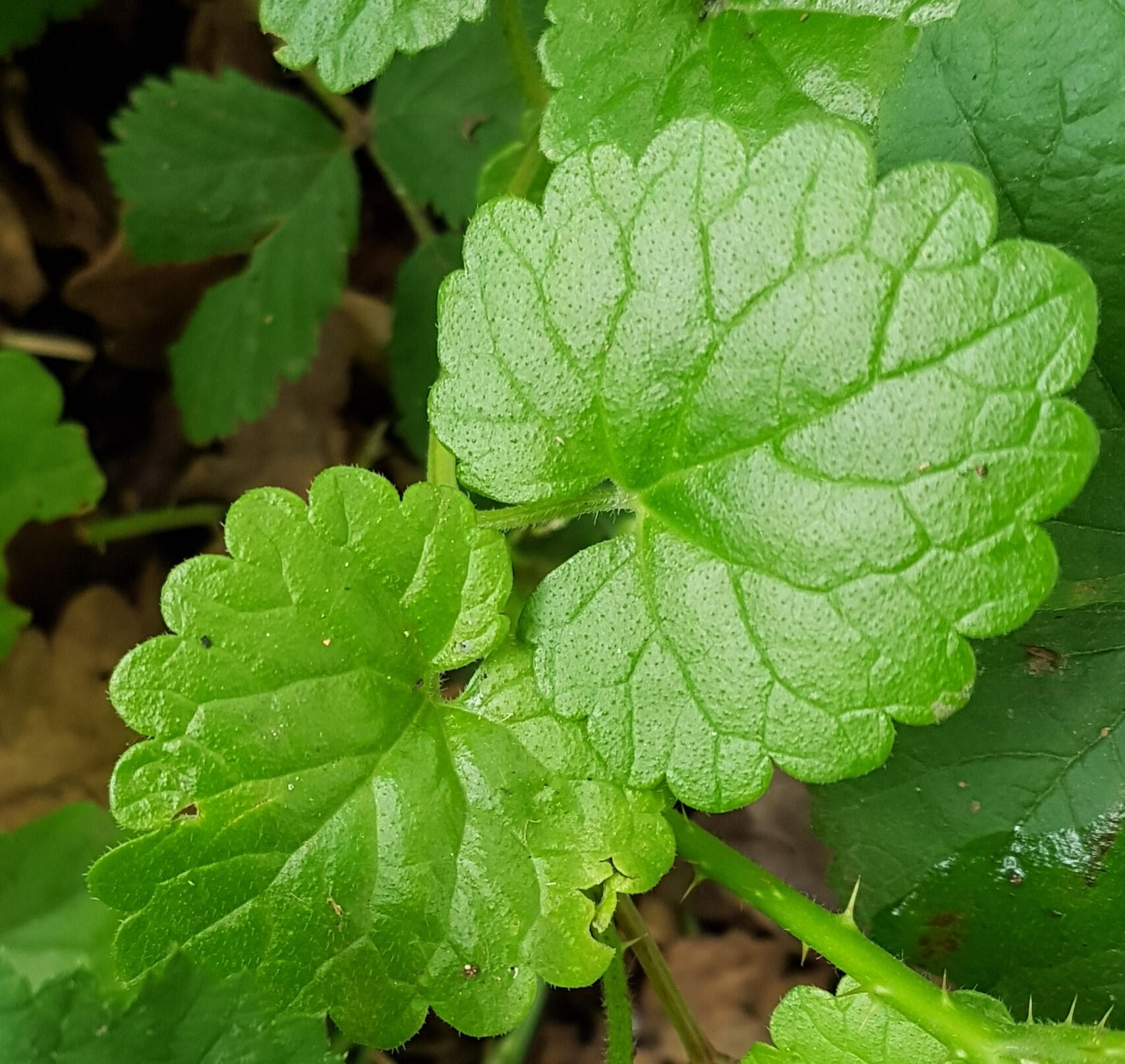
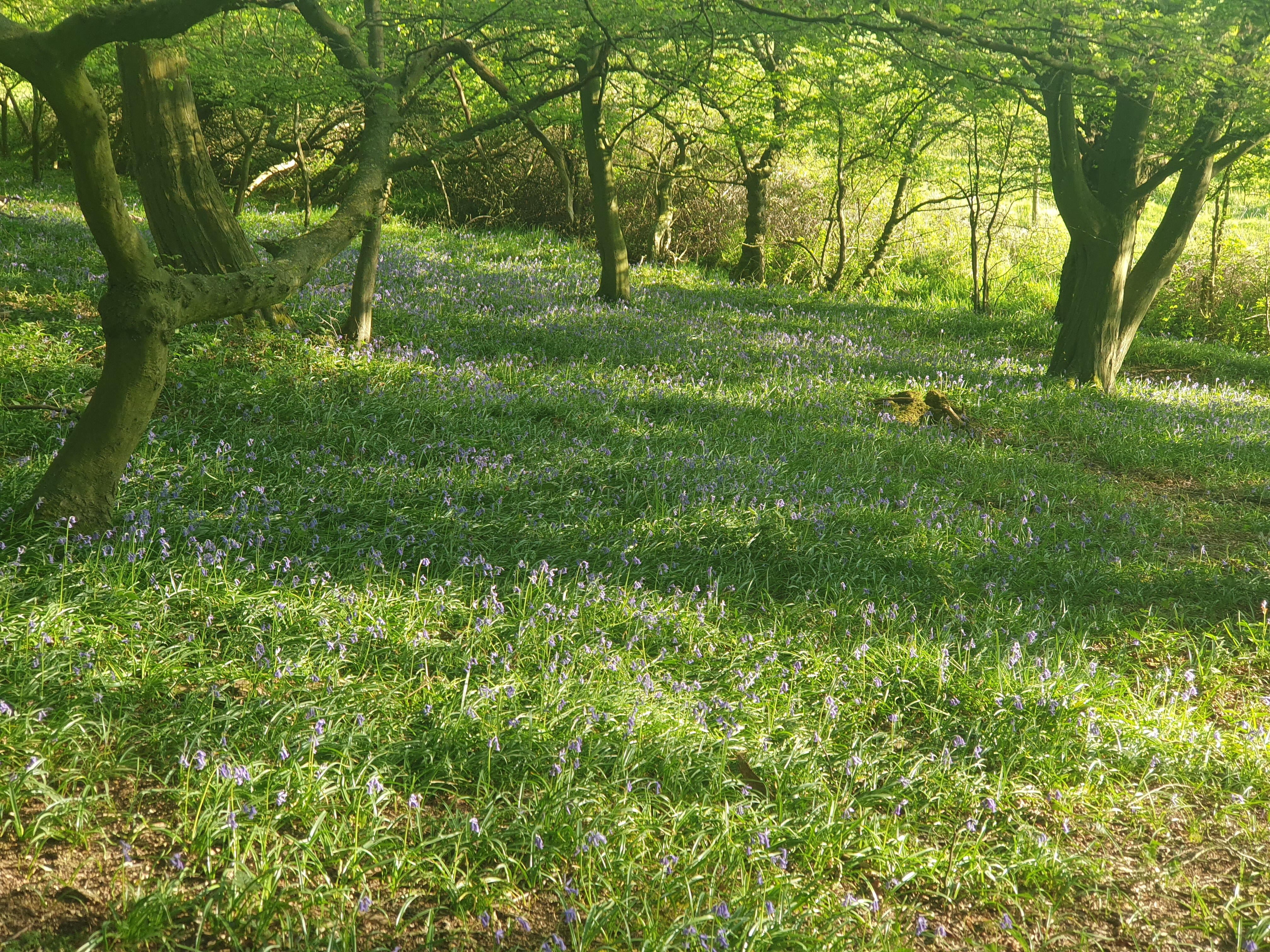
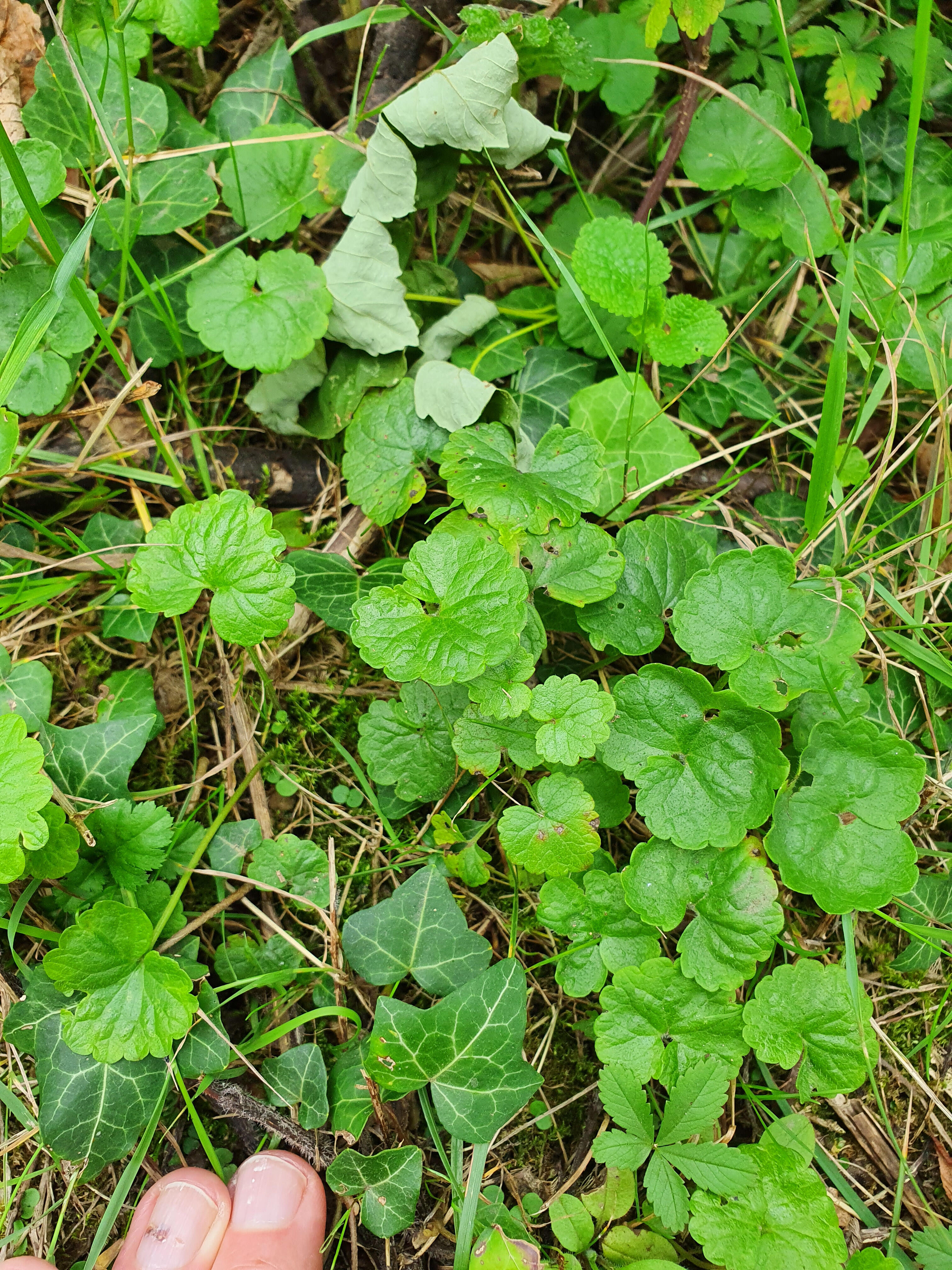
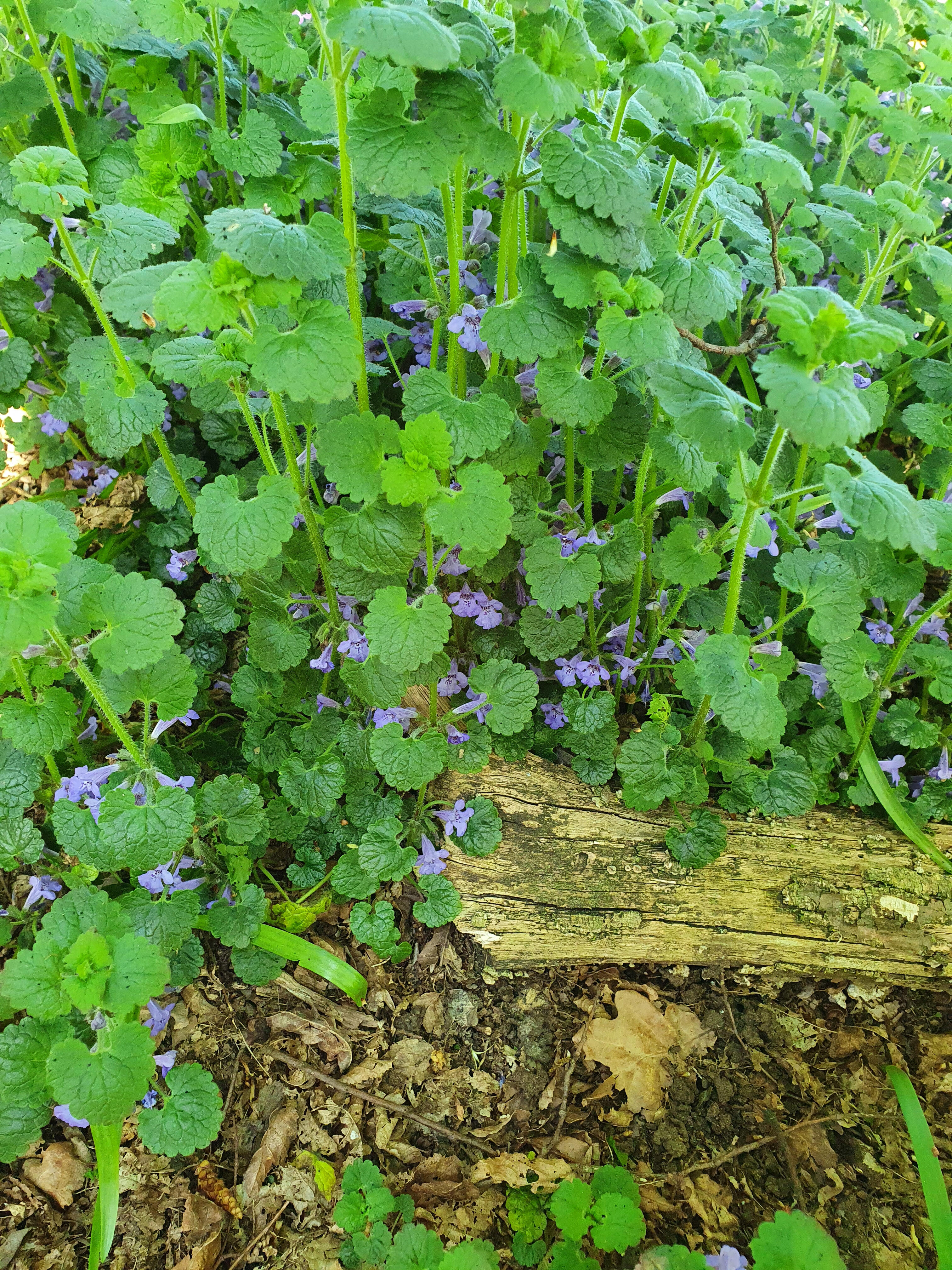
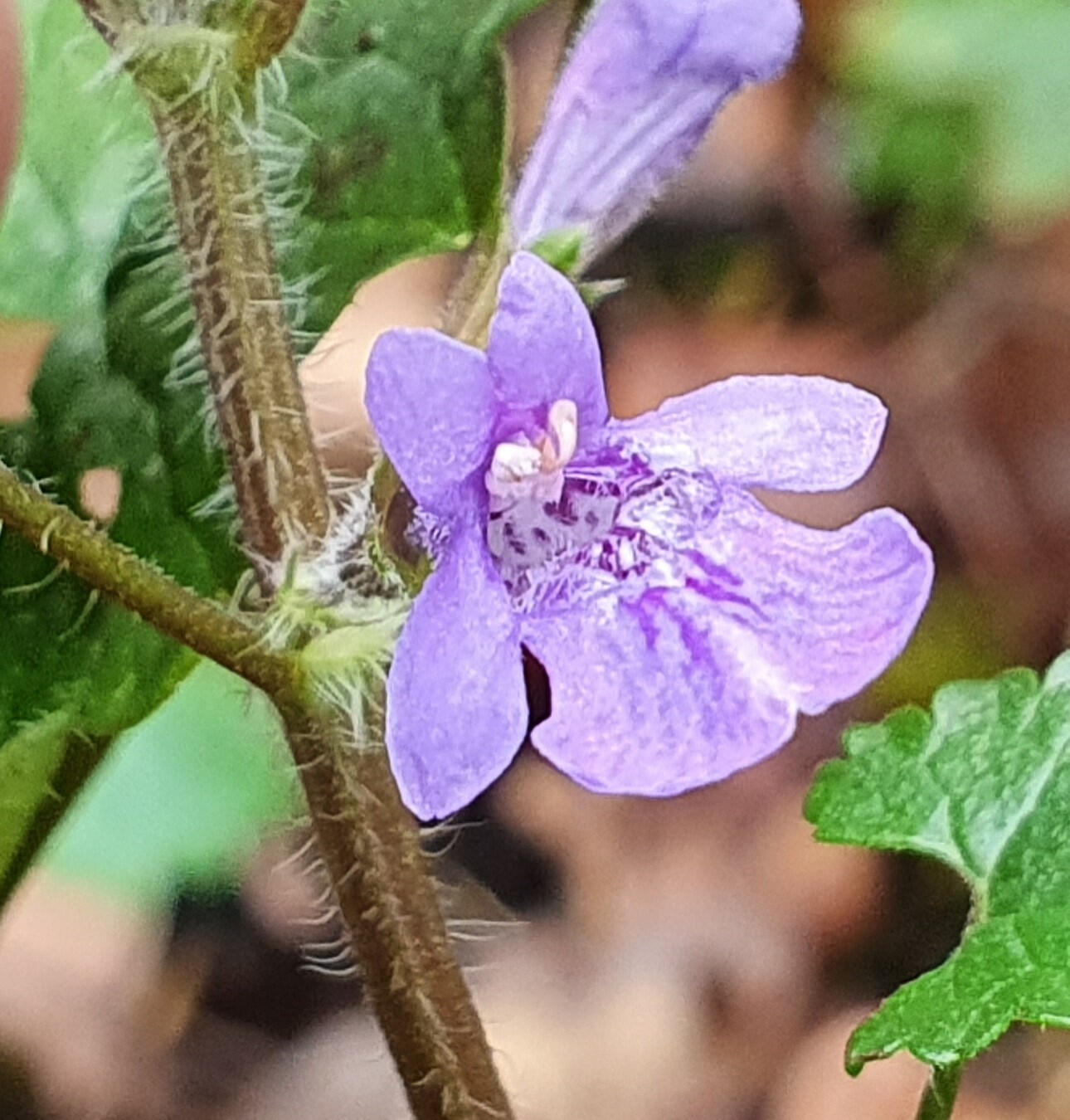
Glechoma hederacea is an aromatic, perennial, evergreen creeper of the mint family, Lamiaceae. It thrives in moist shaded areas, but also tolerates sun very well. It is a common plant in grasslands and wooded areas or wasteland. It also thrives in lawns and around buildings since it survives mowing. It spreads by stolons or by seed. Part of the reason for its wide spread is this rhizomatous method of reproduction. It will form dense mats which can take over areas of lawn and woodland and thus is an considered invasive or aggressive weed in suitable climates where it is not native. Not related to ivy (Hedera helix), its name is usually attributed to the similarity in leaf shape and its behaviour in creeping along the ground.
Alehoof, Catsfoot, Creeping charlie, Field balm, Gill over the ground, Runaway robin, The deceiver, tunhoof

Cap
Gills
Stem
Flesh
Leaves
Round to reniform (kidney or fan shaped), crenate (with round toothed edges) opposed leaves 2–3 cm diameter, on 3–6 cm long petioles. Usually more round toward the end of a stem and more heart-shaped near the base.
Flowers
Bilaterally symmetrical, funnel shaped, blue or bluish-violet to lavender with white and dark purple spots on the lower lip. The flowers grow in opposed clusters of 2 or 3 flowers in the leaf axils on the upper part of the stem or near the tip. Usually from March to June, then again in the Autumn.
Seeds
Stem
Square stems which root at the nodes, usually found lying horizontally, although can be found upright.
Fruit
Taste
Very pungent, minty, meaty, floral. Can be used in both savoury and sweet dishes.
Frequency & law
Common and not restricted.
The nuanced bit

Possible confusion
Apparently, Glechoma is sometimes confused with creeping mallow (Malva neglecta), which also has round, lobed leaves; but mallow leaves are attached to the stem at the back of a rounded leaf, where ground ivy has square stems and leaves which are attached in the centre of the leaf, more prominent rounded lobes on their edges, attach to the stems in an opposite arrangement, and have a hairy upper surface. That said, in my experience ground ivy and common mallow aren’t easily confused; Much more likely is possible confusion between ground ivy and garlic mustard (Alliaria petiolata) which has a very similar leaf shape and certainly for beginners can have very similar looking leaves. Above all looks, ground ivy emits a distinctive odour when damaged, being a member of the mint family.

Habitat
Damp waste ground, hedgerows and woodland margins. Most of Europe, including Britain, northern and western Asia to Japan.

How to harvest
The leaves and flowering stems are best harvested in May whilst still fresh, and are dried for later use medicinally. For food the young shoots, leaves and pre-flowering tips can be harvested all year round.

Cooking tips
Ground ivy has a very pungent flavour which mellows nicely with cooking.

Other uses
Ground ivy is a safe and effective herb that is used to treat many problems involving the mucous membranes of the ear, nose, throat and digestive system.

Folklore
Because it forms long, leafy flowering, trailing stems, it was often woven into garlands. Such garlands were used to protect cattle (despite it being poisonous to cattle!) and apparently the first milk was passed through a wreath of ground ivy to protect it in some parts of the world.
A 3-hour session with a foraging expert, including ID work, finding and tasting wild ingredients, and a wild snack at Bassenthwaite Lake Station
A 3-hour session with a foraging expert, including ID work, finding and tasting wild ingredients, and a wild snack at Low Sizergh Barn


