
Flora

Edible
Spring

Summer

Autumn

Winter

Back To Foraging Guide
Garlic Mustard
Alliaria petiolata
.jpg)
.jpg)
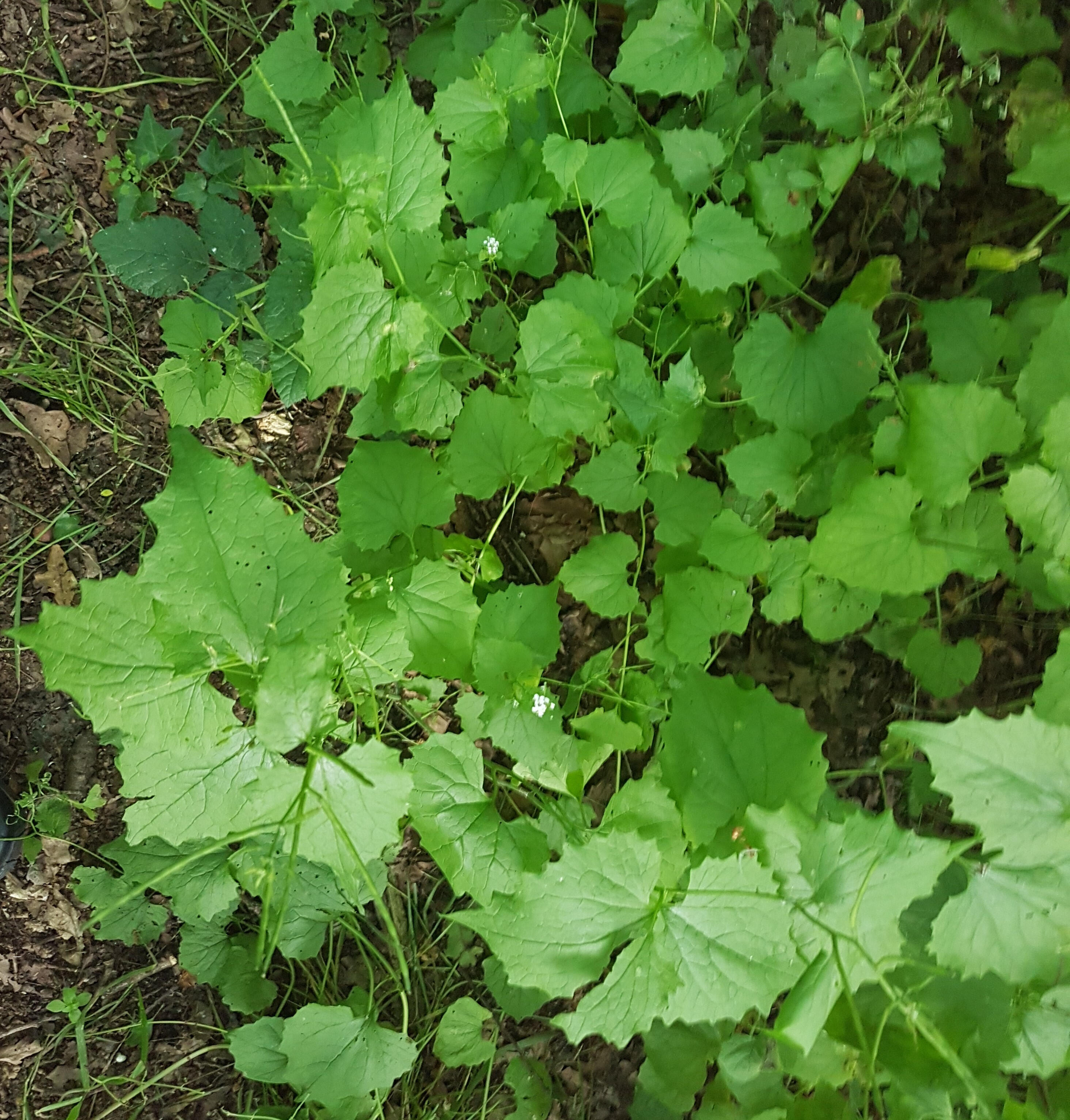



It is an herbaceous biennial plant growing from a deeply growing, thin, white taproot that is scented like horseradish. In the first year, plants appear as a rosette of green leaves close to the ground; these rosettes remain green through the winter and develop into mature flowering plants the following spring. Second year plants grow from 30–100 cm tall and rarely to 130 cm.
Garlic root, Hedge garlic, Jack by the hedge, Jack in the bush, Penny hedge, Sauce alone

Cap
Gills
Stem
Flesh
Leaves
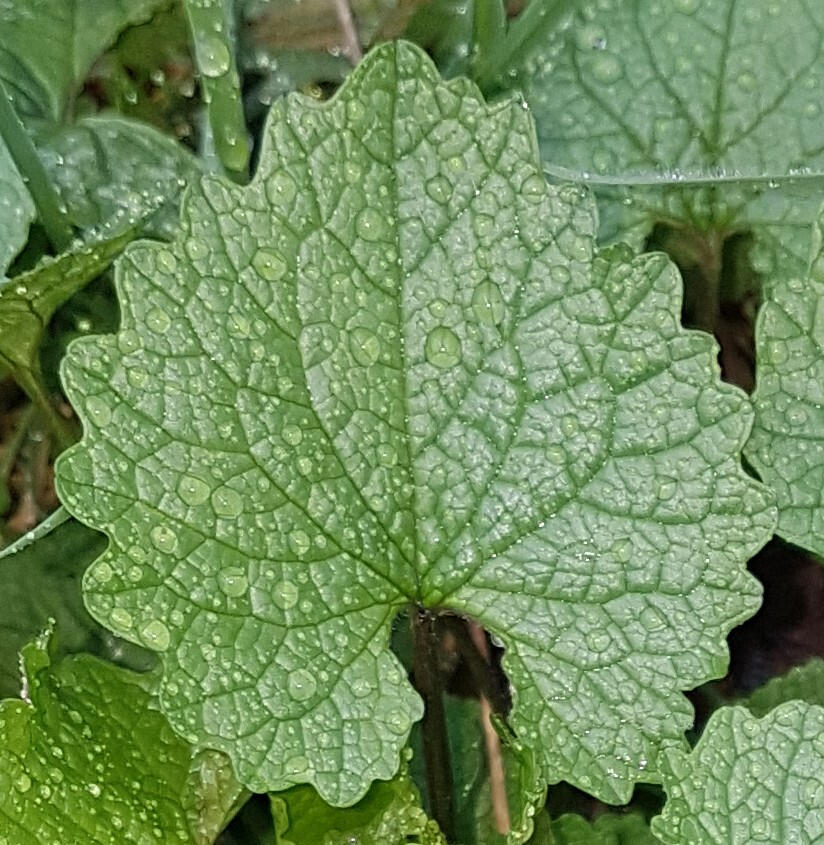
The leaves are stalked, triangular to heart-shaped, 10–15 cm long (of which about half being the petiole) and 5–9 cm broad, with a coarsely toothed margin. The leaves smell strongly of garlic when crushed.
Flowers
The flowers are produced in spring and summer in button-like clusters. Each small flower has four white petals 4–8 mm long and 2–3 mm broad, arranged in a cross shape.
Seeds
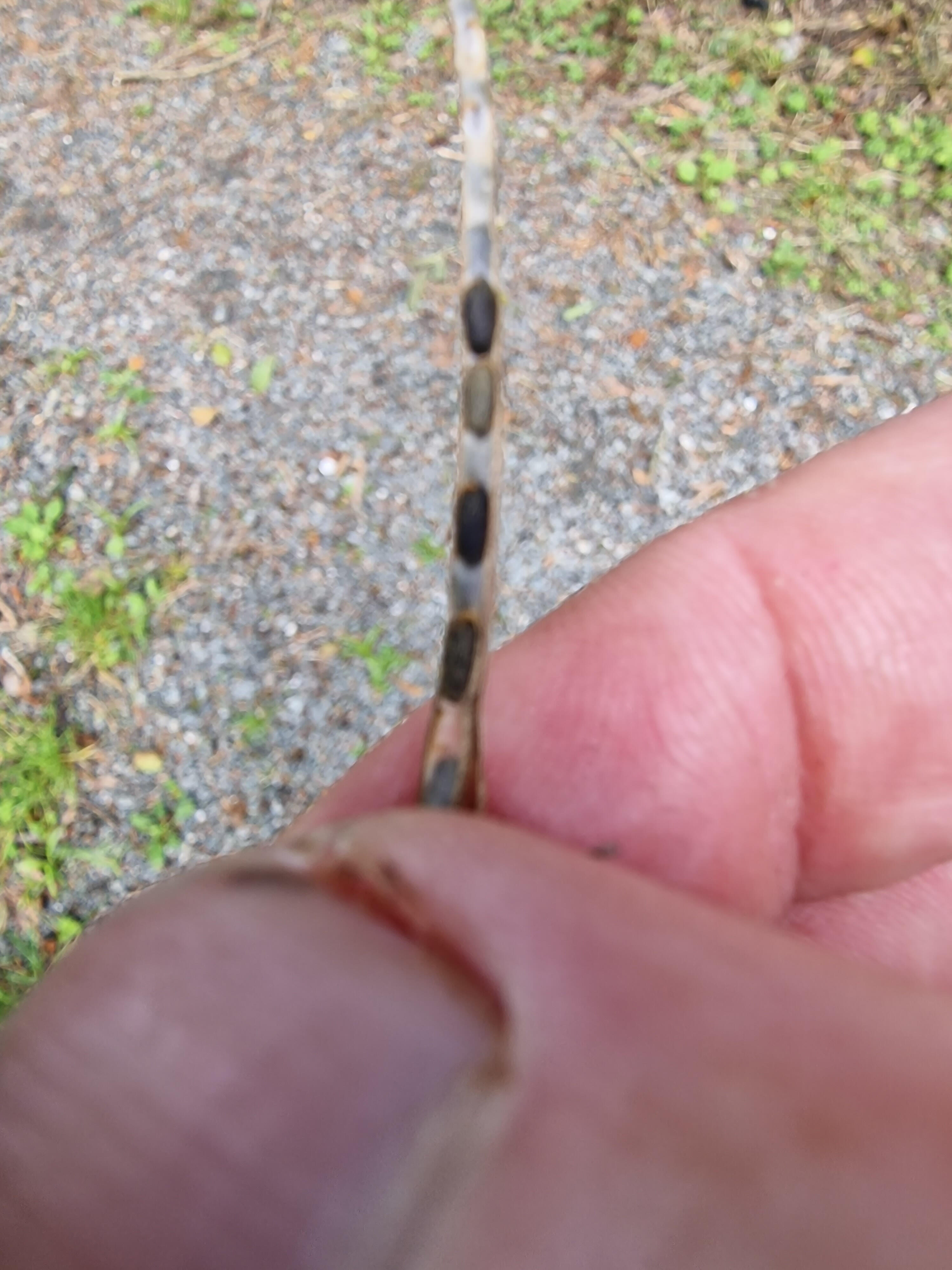
A single plant can produce hundreds of seeds, which scatter as much as several meters from the parent plant. The mature seeds are black, oval and 2.5 to 3 mm long.
Stem
Fruit
The fruit is an erect, slender, four-sided pod 4–5.5 cm long, called a ”silique”, green maturing pale grey-brown, containing two rows of small shiny black seeds which are released when the pod splits open.
Taste
Strong garlic flavour, with a mustard-like heat, and a bitterness which can be stronger when older.
Frequency & law
Very common and not restricted
The nuanced bit
Whilst considered to be an invasive pest in North America it is not only biennial so easily controlled, but also it tends to only live for a few cycles before dying out anyway!

Possible confusion
Violet species and ground ivy have similar leaf shapes, but a simple crush of the leaves tells you straight away which you have. There are no poisonous lookalikes that I’m aware of.

Habitat
As suggested by the common names, it likes to grow in hedgerows and on the edges of woodlands and in woodland clearings.

How to harvest
The leaves and stems are harvested before the plant comes into flower and they can be dried for later use. The leaves can survive winter and can even be found under snow – they contain natural anti-freeze which protects them from frost damage.

Cooking tips
Use gentle heat when cooking. The leaves can be quite bitter, gentle cooking can help to dissipate the bitterness whilst keeping the garlic flavour, whereas harsh heating such as frying destroys the garlic flavour and intesifies the bitterness.

Other uses
A yellow dye is obtained from the whole plant.

Folklore


Make the most of nature's larder with this fish tortilla recipe


A 3-hour session with a foraging expert, including ID work, finding and tasting wild ingredients, and a wild snack at Low Sizergh Barn
A 3-hour session with a foraging expert, including ID work, finding and tasting wild ingredients, and a wild snack in Lymm


