
Flora

Edible

Summer

Autumn

Back To Foraging Guide
Elder
Sambucus nigra
.jpg)
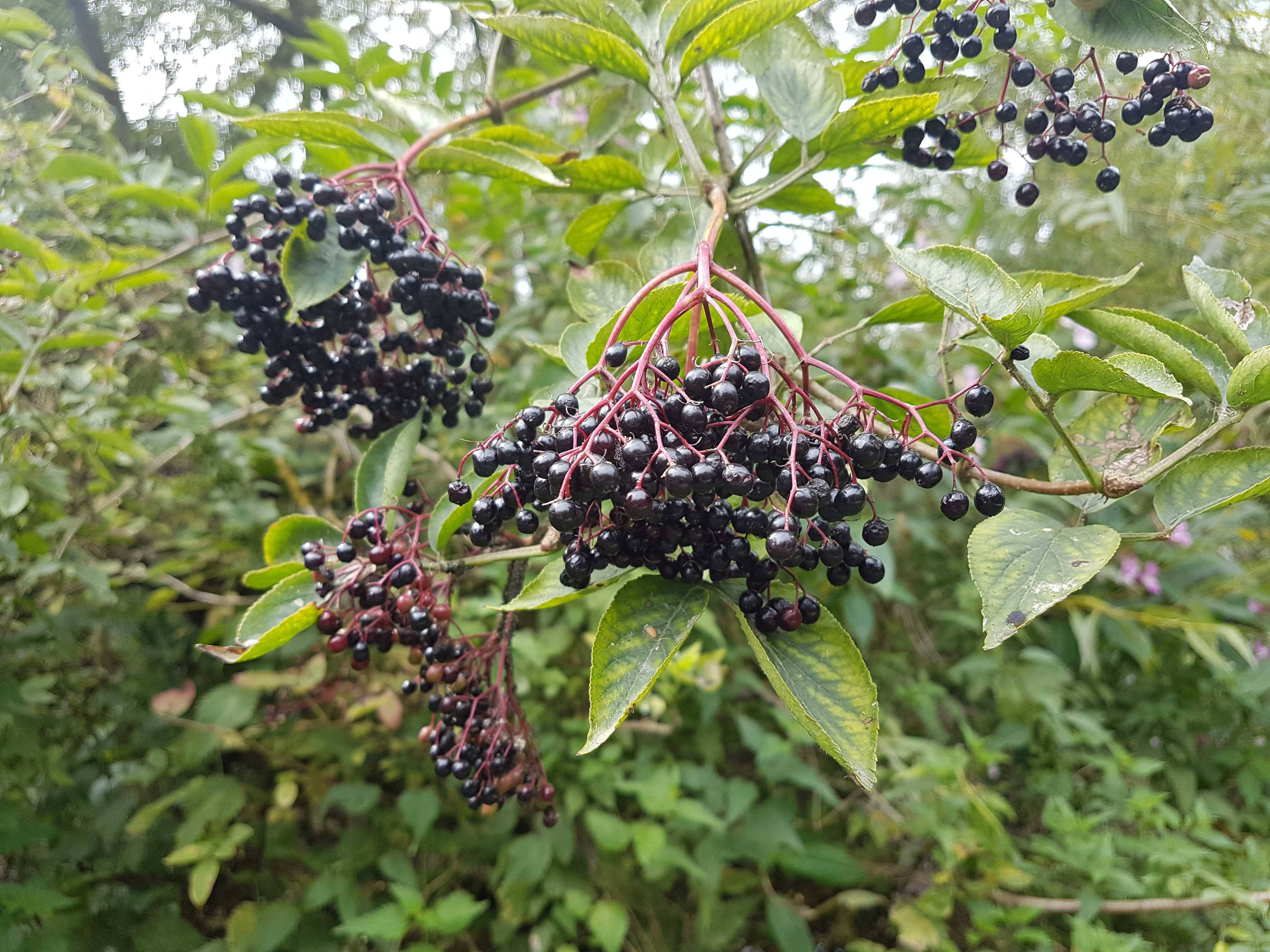
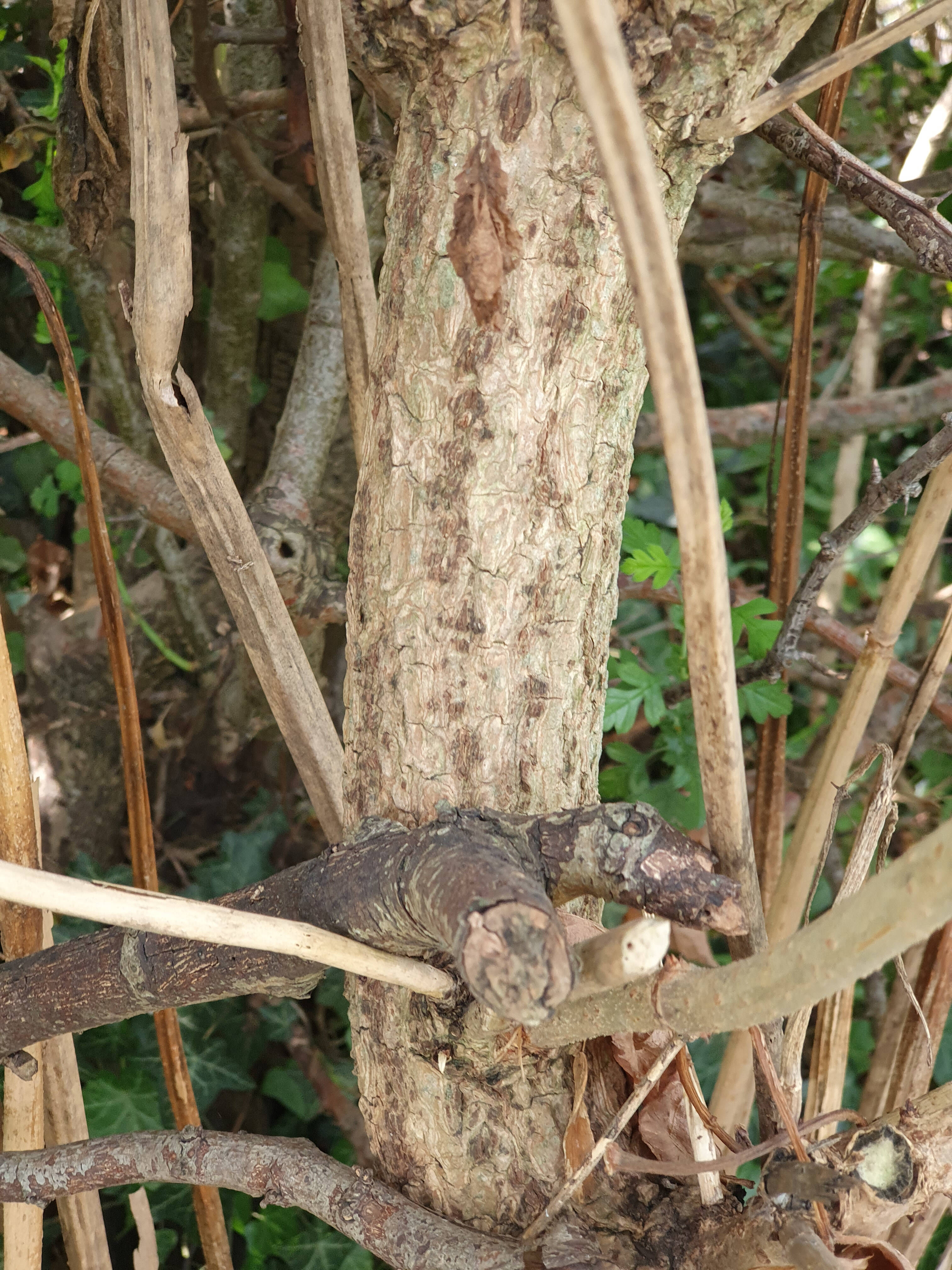
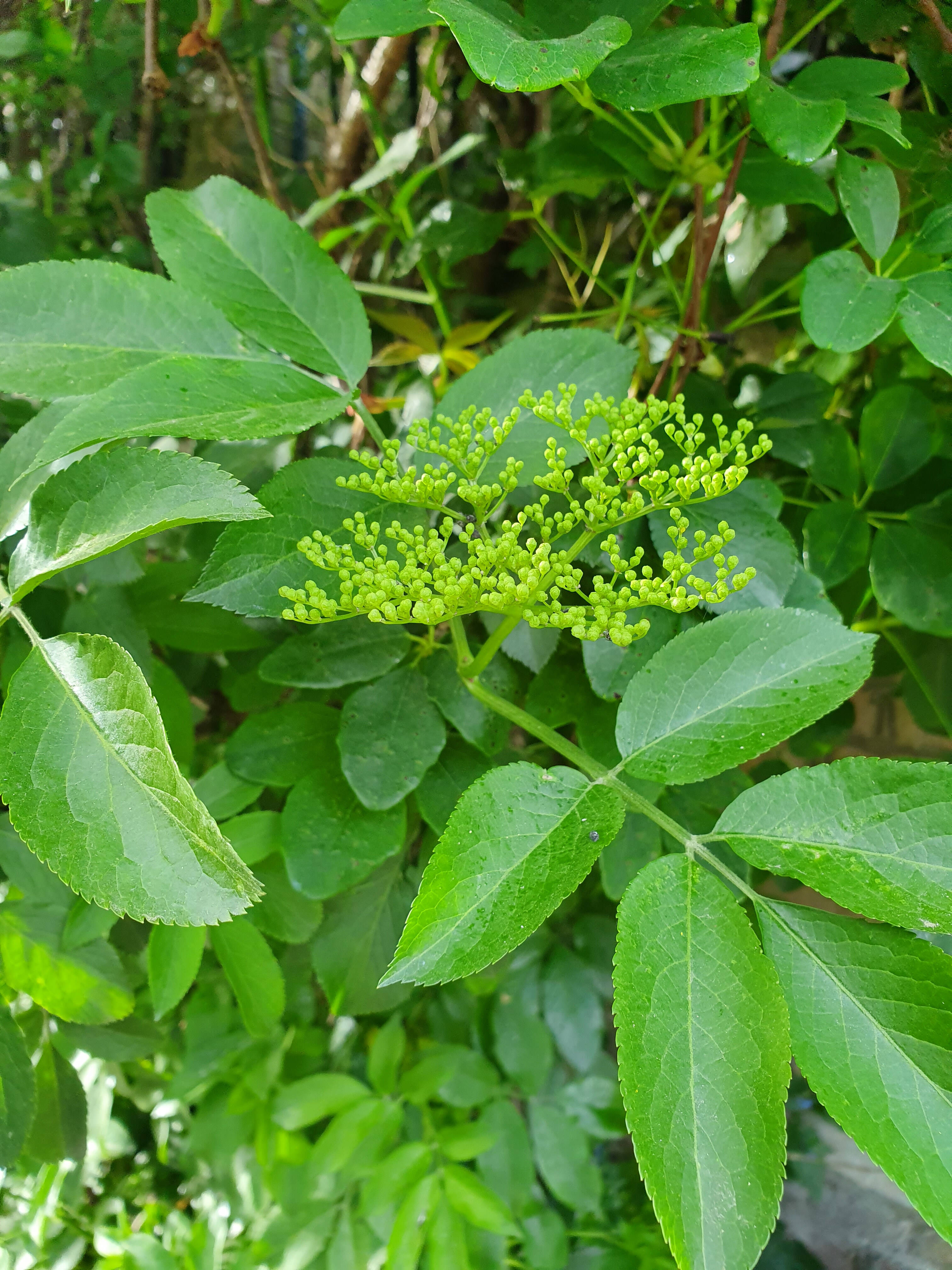


Elder is usually found as a shrub or small tree (usually up to 6 meters, but has been recorded up to 10 meters) and can live for 60 years. It is commonly characterised by its short trunk. Like many other small trees it can grow as an upright tree or a straggly bush depending on the conditions and how it is cut back.
Black Elder, Elder, Elderberry, European Black Elderberry, European Elder, European Elderberry

Cap
Gills
Stem
Flesh
Leaves
The leaves are pinnate with two to three opposite pairs (rarely four pairs) and a terminal leaflet. The leaflets are oval shaped and toothed and tend to be five to twelve centimetres long. The leaves can make an unpleasant smell when crushed.
Flowers
Borne on large flat umbels, 10-30cm across, the individual flowers are tiny, creamy coloured, highly scented, and have five petals and five stamen. The smell is often compared to cat pee, but I find it quite pleasant.
Seeds
Each fruit has a single small seed, which can potentially contain tiny amounts of cyanogenic glycosides which can create cyanide poison in the stomach. These can cause gastric upset, but are unlikely to cause lasting problems unless consumed in huge amounts.
Stem
Grey-brown, corky, deeply furrowed bark, although younger specimens have smooth grey bark.
Fruit
After pollination by insects, each flower develops into a small, purple-black, sour berry, which ripens from late-summer to autumn.
Taste
The flowers have a delicious, sweet, floral flavour. The fruit have almost no taste one at a time, but with a handful, the sweet, grape-like flavour really comes through.
Frequency & law
Fairly common and not restricted.
The nuanced bit

Possible confusion
Walnut (Juglans regia), however, elder has oppositely arranged leaves whereas walnut has alternately arranged leaves.

Habitat
Elder will grow in both wet and dry fertile soils, but in very wet soil the growth and fruiting can be heavily stunted. Primarily in sunny locations in woodland, scrub, hedgerows and wasteland. It is widespread in many temperate and sub-tropical regions of the world, and is native to the UK.

How to harvest
The fruit ripens from August to September and can be picked by hand from the tree. A berry comb may be advantageous for these.

Cooking tips
The fruit when raw can cause gastric upset, so make sure that it is cooked thoroughly.

Other uses
Elder wood is hard and yellow-white. Mature wood is used for whittling and carving, while smaller stems can be hollowed out to make craft items.

Folklore
It was thought that if you burned elder wood you would see the devil, but if you planted elder by your house it would keep the devil away. Elder was also known as Judas’ Tree as it was believed that Judas Iscariot hanged himself on an Elder tree.


An elderflower sparkling wine recipe video


A 3-hour session with a foraging expert, including ID work, finding and tasting wild ingredients, and a wild snack at Graves Park
A 3-hour session with a foraging expert, including ID work, finding and tasting wild ingredients, and a wild snack in Lymm


