
Fungi

Poisonous

Summer

Autumn

Back To Foraging Guide
Deathcap
Amanita phalloides
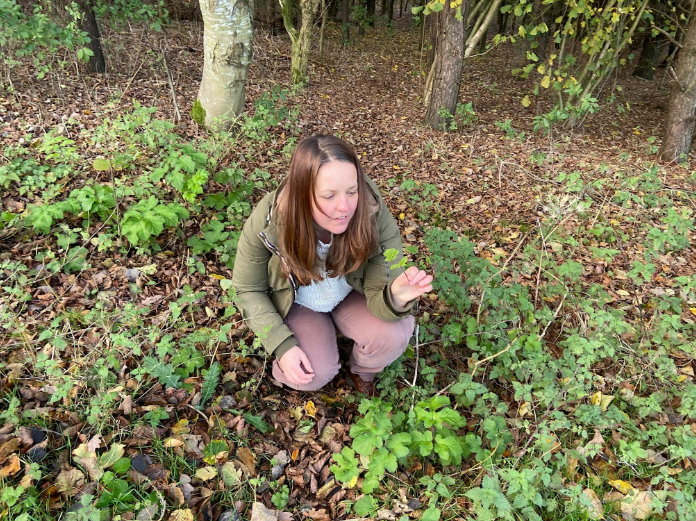

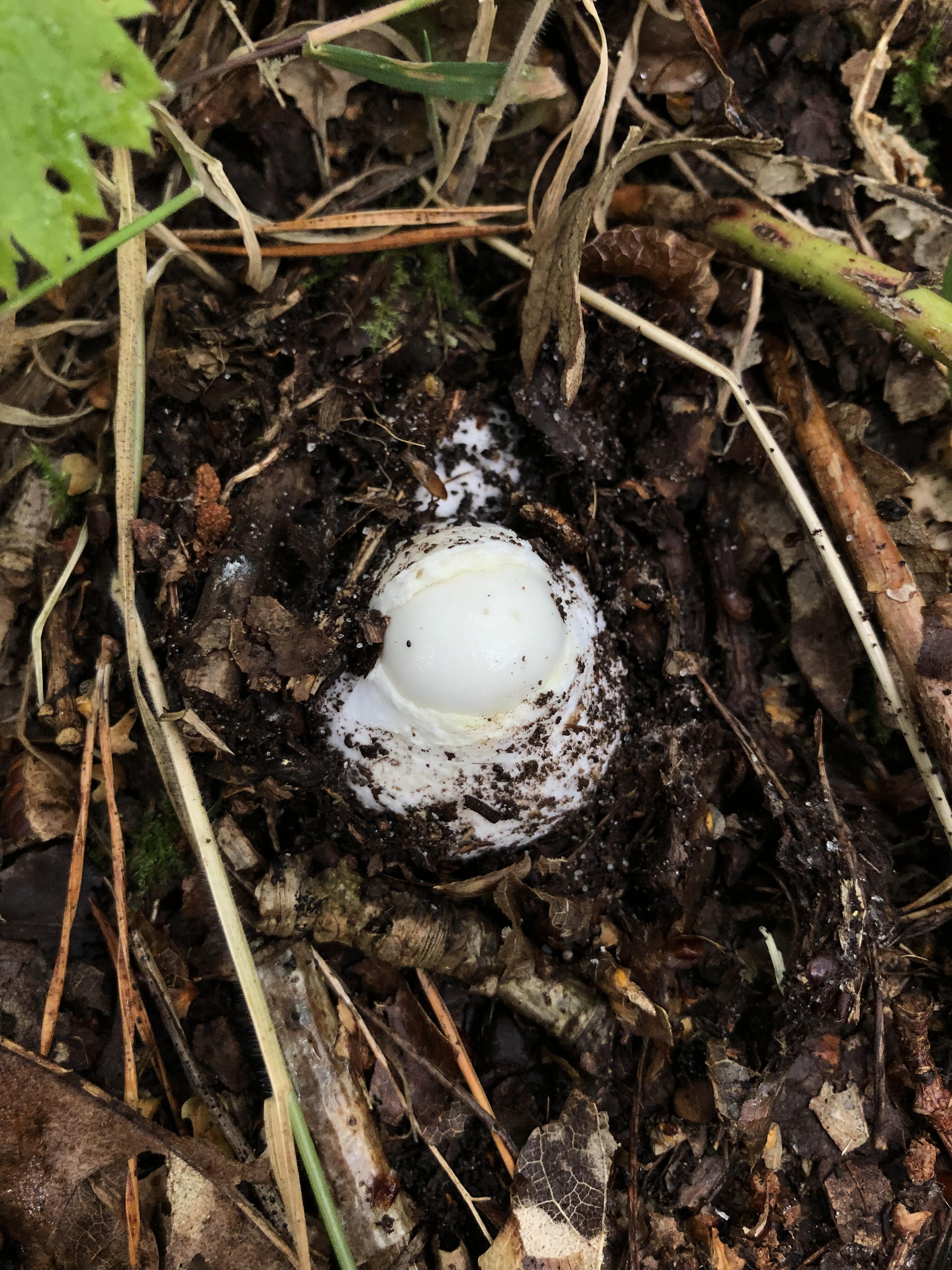


The Deathcap is generally considered to be the most deadly mushroom, with about half a mushroom being enough to kill an adult human. It is responsible for around 90% of mushroom fatalities globally each year.

Cap
4-12cm across, variable in colour from pale yellow to an olive green/brown colour, convex at first becoming flat with age.
Gills
White, crowded, free from the stem.
Stem
8-13cm long and 1-1.8cm thick, slightly thicker towards the base, white with slight flushing of the cap colour and faintly banded. A volva (sack) at the base which is usually mostly hidden just under the soil, of which remnants can also be seen as a “skirt” over halfway up the stem.
Flesh
White, sometimes with a slight yellow flush
Leaves
Flowers
Seeds
Stem
Fruit
Taste
Accounts from unfortunate people who have mistakenly eaten the Deathcap have stated it is very tasty.
Frequency & law
Fairly common
The nuanced bit
Roman Emperor Claudius is thought to have been poisoned with the Deathcap mushroom by his wife, who mixed the juice of Deathcaps with Caesar’s Mushrooms.

Possible confusion
There are many similar looking mushrooms, particularly the False Deathcap (Amanita citrina) and Caesar’s Mushroom (Amanita caesarea). Young specimens could be mistaken for the Paddy Straw Mushroom (Volvariella volvacea), an edible mushroom although not native to the UK is cultivated in Asia, and has been mistakenly identified by people from this region.

Habitat
Mixed deciduous woodland, particularly with oak.

How to harvest
N/a

Cooking tips
N/a

Other uses

Folklore
Due to its use as a poison for centuries, the Deathcap is more regarded as a notorious mushroom rather than related to any folklore.
A 3-hour session with a foraging expert, including ID work, finding and tasting wild ingredients, and a wild snack in Heversham
A 3-hour session with a foraging expert, including ID work, finding and tasting wild ingredients, and a wild snack at Graves Park


