
Flora

Edible
Spring

Summer

Autumn

Back To Foraging Guide
Dandelion
Taraxacum officinale
.jpg)


.jpg)
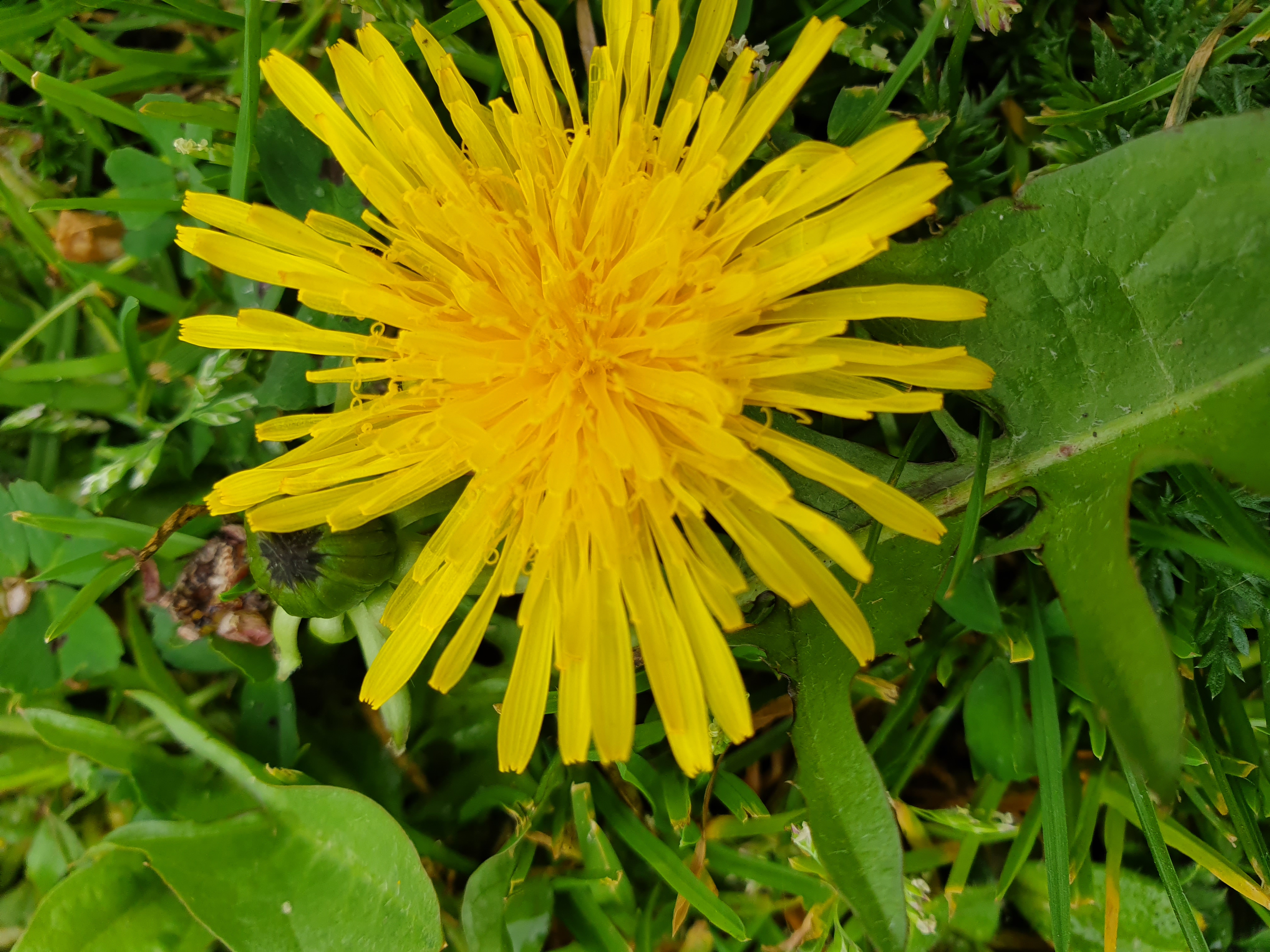
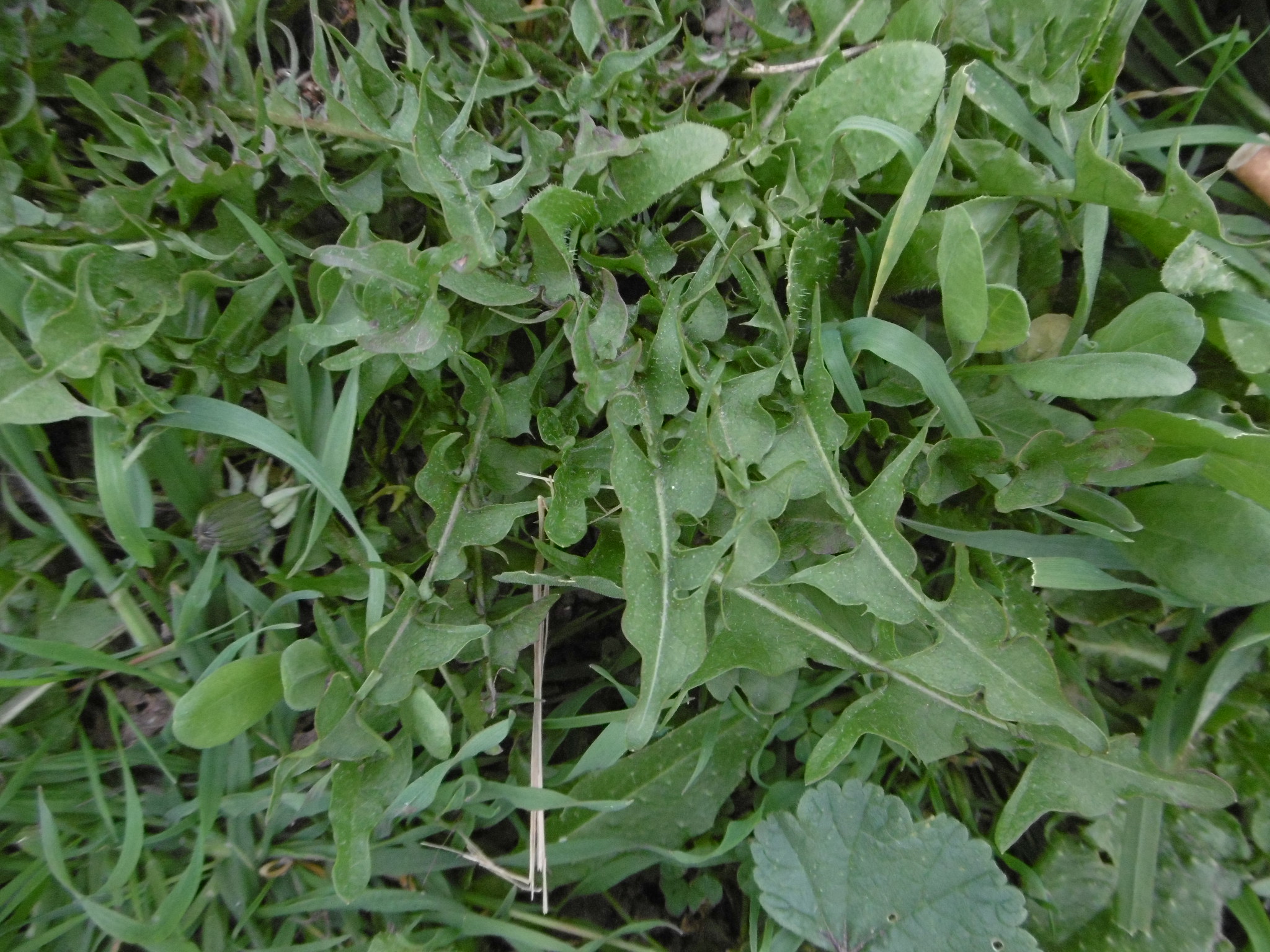
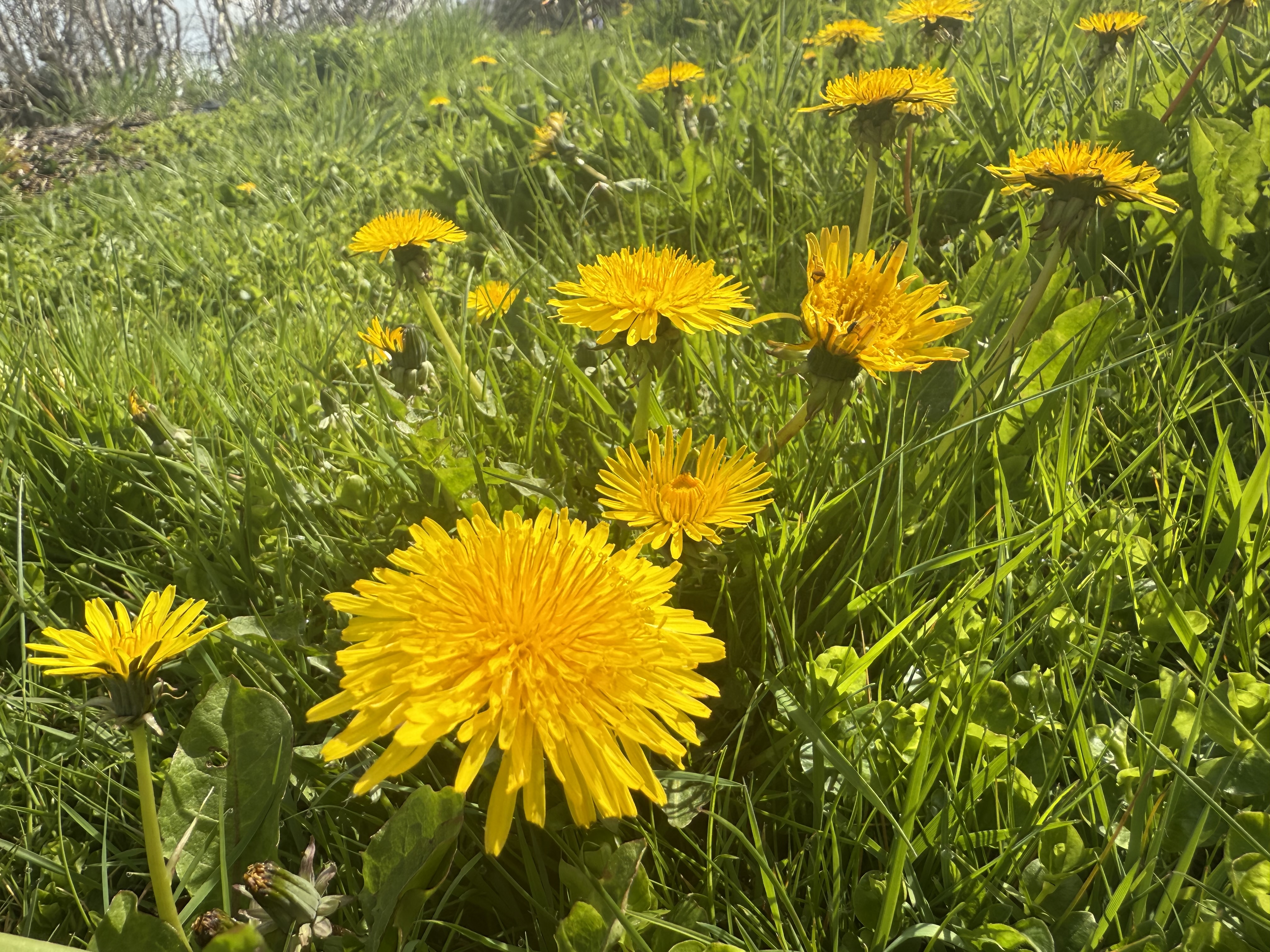
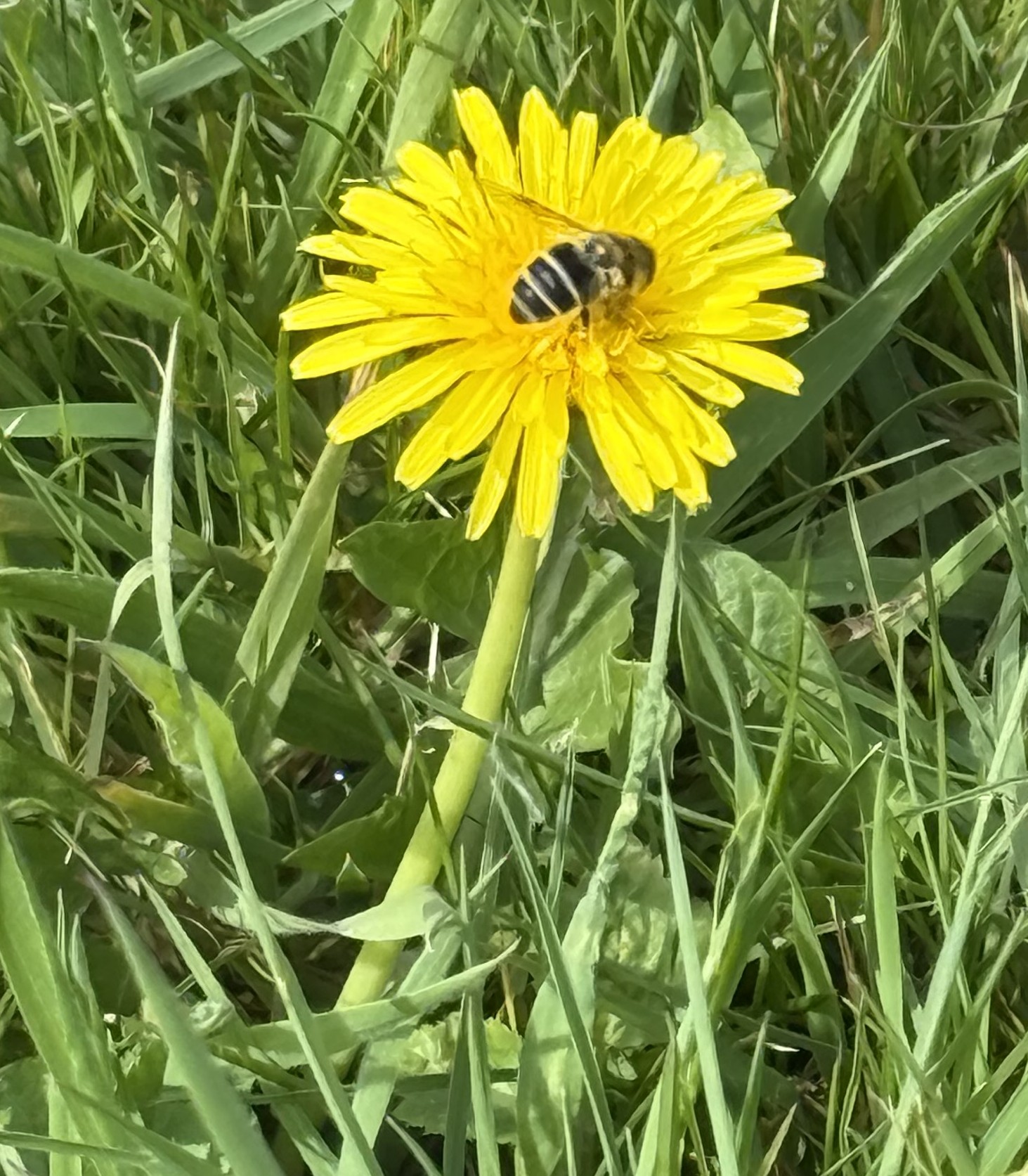
Dandelion is a fast growing, herbaceous perennial which typically grows from an unbranched taproot producing a basal rosette of leaves and a single, leafless flower stem, typically up to 40cm tall. Please note that there are currently over 200 sub-species of dandelion identified, so there will be some variation from the descriptions given here, however all dandelions can be used in the same way so there’s no need to get hung up about identifying the exact sub-species.
Blowball, Cankerwort, Common dandelion, Dandelion clock, Faceclock, Irish daisy, Lion's tooth, Milk-witch, Monks-head, Pee-a-bed, Priest's-crown, Puff-ball, Swine's snout, Wet-a-bed, White endive, Wild endive, Yellow-gowan

Cap
Gills
Stem
Flesh
Leaves
Usually up to 40cm long and 8cm wide (occasionally larger) with bases that narrow to the petiole. Leaf margins are usually lobed and tooth-like. The central mid-rib of the leaf and the petiole have the same bitter milky latex as the flower stem.
Flowers
The flowers are composite, made up of 40 to 100 bright yellow florets and has green sepals.
Seeds
Stem
Up to 40cm tall (occasionally taller), green (sometimes with a purple tinge), circular cross section and hollow. They exude a bitter milky latex when cut. The stems can be hairless or occasionally covered in short hairs.
Fruit
The fruit, called cypselae, are silver-grey, 2-3mm long, and have 4 to 12 ribs. Each fruit is attached to a silky pappi which catches the wind and helps to distribute the seeds widely.
Taste
Leaves are bitter, flowers are sweet, and roots are a delicious, parsnip-like flavour.
Frequency & law
Extremely common and not restricted
The nuanced bit

Possible confusion
Hawkbits (Leontodon spp.), Hawkweeds (Hieracium spp.), Cat’s ear (Hypochaeris radicata), and Sow thistle (Sonchus spp.) are the most likely to be mistaken for dandelion as the flowers are also bright yellow and composite, like dandelions, and like dandelions both can have toothed leaves in a basal rosette. However, neither of them has a hollow flower stem, they both have branching flower stems with multiple flowers, and Sow thistles have leaves growing up the stems, whereas dandelion do not. Also, none of the lookalikes are toxic so it wouldn’t be a terrible mistake to make.

Habitat
Dandelions can be found in most temperate regions of the northern hemisphere. It is very common on lawns, roadsides, disturbed banks, riversides, meadows and just about anywhere with moist soil.

How to harvest
The leaves are usually harvested in the spring and can be dried for use later. The roots are harvested in the autumn when 2 years old.

Cooking tips
Leaves and flowers best eaten raw. The root can be roasted as a vegetable, and dried as a coffee substitute.

Other uses
The flowers are an ingredient of a herbal compost activator which speeds up bacterial activity and makes compost quicker. You can make a liquid plant food by soaking the roots and leaves.

Folklore
The one that sticks in my mind most clearly is being told “Don’t pick dandelions or you’ll wet the bed”. Clearly that has got a little mixed up over the years and maybe it started out as “Don’t eat dandelions or you’ll wet the bed”.


Joel explores the picking, eating and decision-making when foraging this common plant


This video is the second of a three-part series, showing just how easy it is to include foraged ingredients in cheap, everyday meals.

A 3-hour session with a foraging expert, including ID work, finding and tasting wild ingredients, and a wild snack at Chorlton Water Park.
A 3-hour session with a foraging expert, including ID work, finding and tasting wild ingredients, and a wild snack at Meersbrook Park, Sheffield


