
Flora

Edible
Spring

Summer

Back To Foraging Guide
Daisy
Bellis perennis
.jpg)
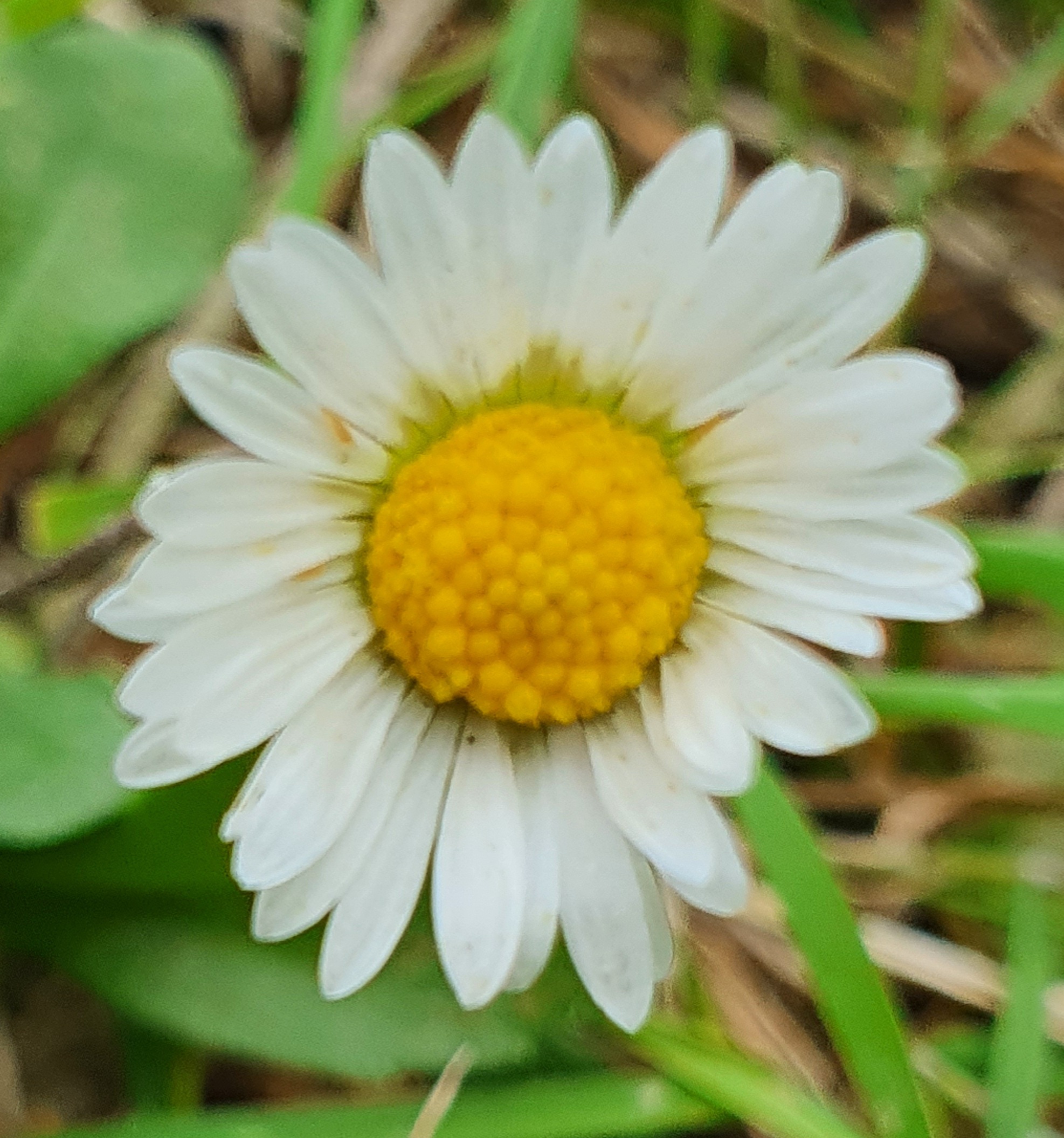

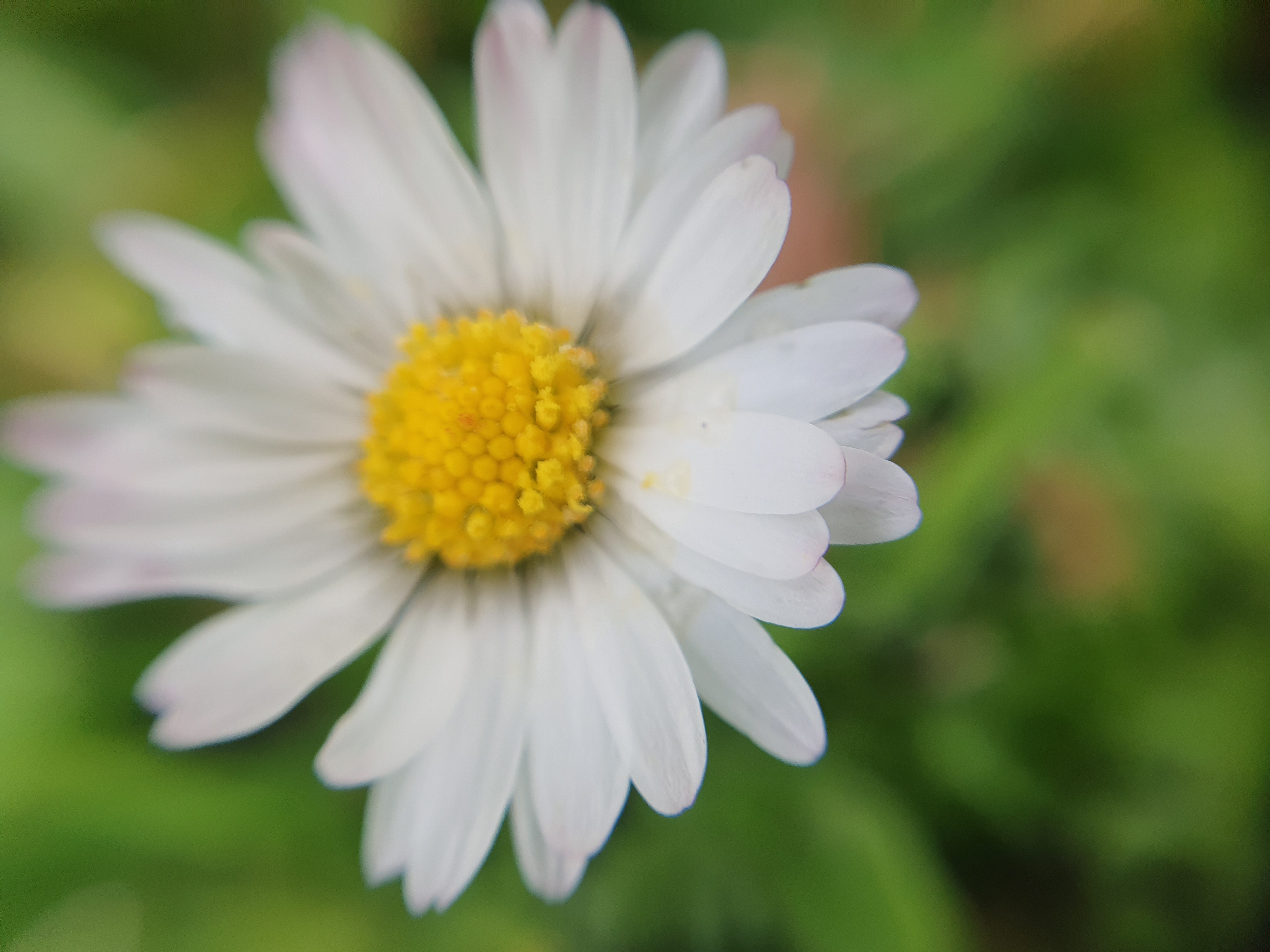
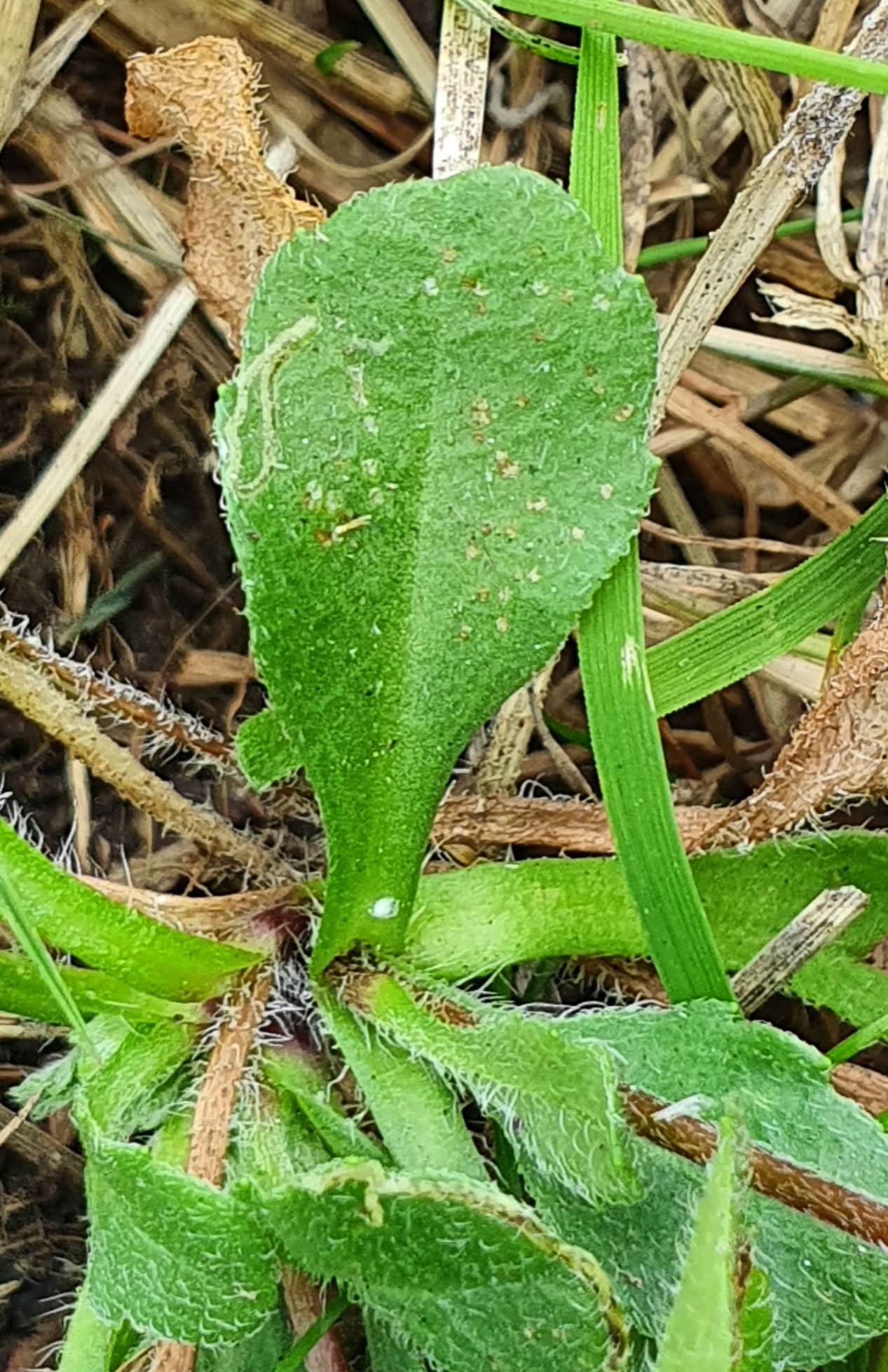
Daisies are herbaceous perennial plants with short creeping rhizomes and rosettes of small rounded or spoon-shaped leaves that are from approx. 2–5 cm long and grow flat to the ground. The species habitually colonises lawns, and is difficult to eradicate by mowing – hence the term ‘lawn daisy’. Wherever it appears in cultivated land it is often considered an invasive weed, and yet is a pretty wild flower when found in meadows and parkland.
Common daisy, English daisy, Lawn daisy

Cap
Gills
Stem
Flesh
Leaves
Basal floret of waxy, deep green and ovate, quite thick leaves. No leaves on the flower stem.
Flowers
The flower heads are composite, consisting of many tiny sessile flowers , with white ray florets (often tipped red) and yellow disc florets. Each inflorescence is carried on a single leafless stem approx. 2–10 cm tall. The capitulum, or disc of florets, is surrounded by two rows of green bracts.
Seeds
Stem
Fruit
Taste
Fairly bland and a little bitter
Frequency & law
Extremely common and not restricted
The nuanced bit

Possible confusion
Potentially other asteraceae members such as chamomile, or feverfew, but only superficially.

Habitat
The daisy is a common plant of meadows, lawns and other grassy areas, it is very frequently found growing in lawns. It is very common across most of Europe, including Britain, to W. Asia.

How to harvest
Early spring through to late summer.

Cooking tips
Mostly eaten raw, although the leaves can ba a little hairy.

Other uses
There are references to an insect repellent spray being made from an infusion of the leaves, however it is possible that this is a confusion with the “Pyrethrum Daisy”, also known as Chrysanthemum. They have been used as a remedy for deep bruising and can sometimes be referred to as British Arnica.

Folklore
The ancient Romans believed that Vertumnus, the god of gardens and trees, saw the lovely wood nymph Belides, dancing with the other innocent nymphs in the rain. Vertumnus wanted her, but she wasn’t interested, so to escape from Vertumnus, Belides turned herself into a bellis flower.
A 3-hour session with a foraging expert, including ID work, finding and tasting wild ingredients, and a wild snack at The Tram, Kendal.
A 2-hour session with a foraging expert, including ID work, finding and tasting wild ingredients in Nottingham


