
Flora

Edible

Spring

Winter

Back To Foraging Guide
Common Sorrel
Rumex acetosa
.jpg)


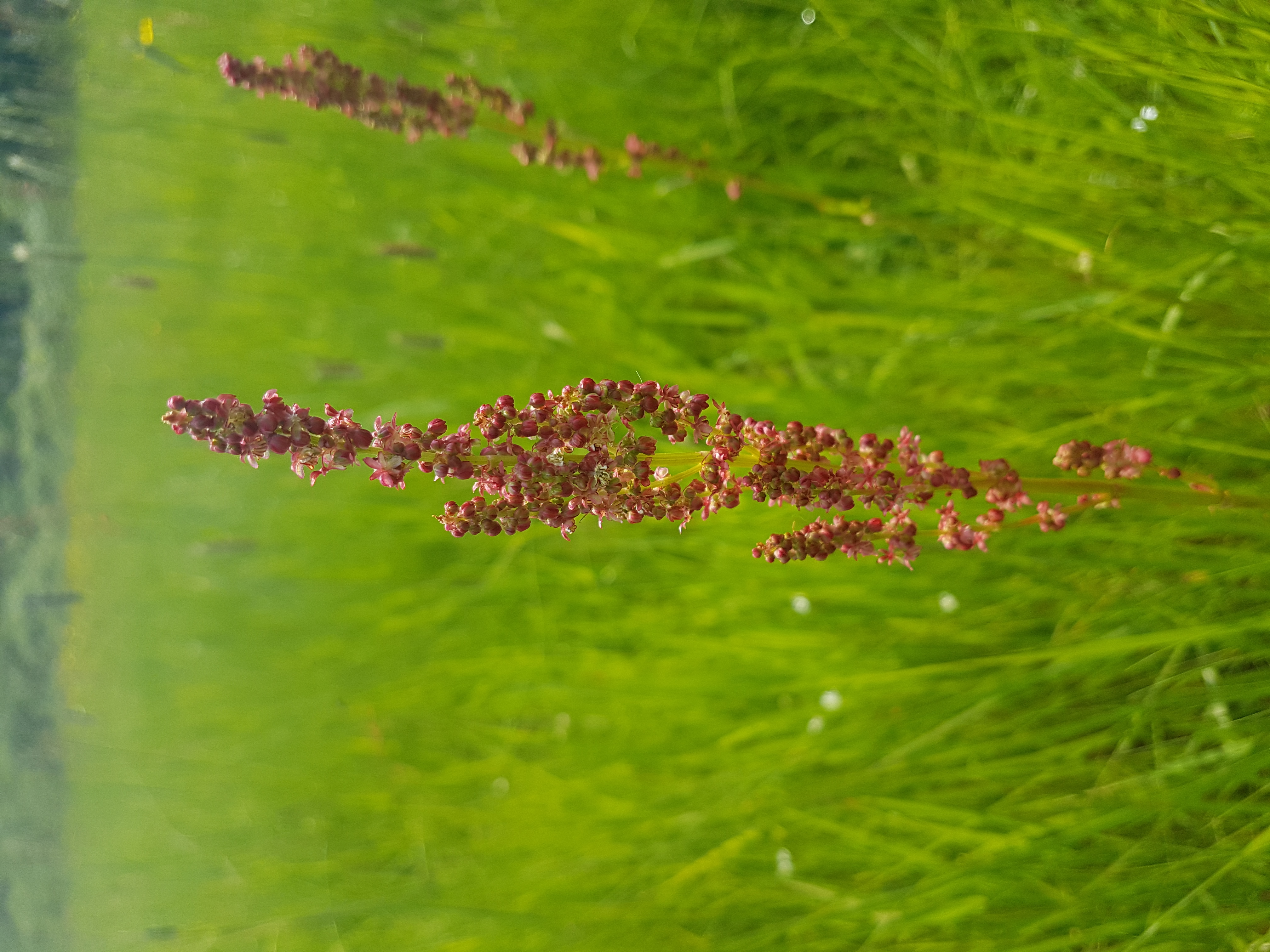
Sorrel is a slender herbaceous perennial plant about 60 centimetres high, it has tasty, juicy stems and edible, arrow-shaped leaves. Sorrel can be difficult to find before it flowers as it grows a small basal rosette of green leaves and can easily be overlooked amongst the grass.
Garden sorrel, Narrow-leaved dock, Sorrel, Spinach sorrel

Cap
Gills
Stem
Flesh
Leaves
Basal leaves are arrow-shaped, and 7 to 10 cm long, with long petioles. Leaves on the flower stems are smaller and sessile, with their arrow “tails” wrapped around the stem. All the leaves taste sour, like green apple peel.
Flowers
Whorled spikes of red flowers which bloom in early summer, become darker almost purple over time. The plant is dioecious, with male and female flowers on different plants. When still young, the flowers also taste sour.
Seeds
Tiny, red winged seeds that are carried easily on the wind.
Stem
Fruit
Taste
Green apple peel, or lemon juice
Frequency & law
Common and not restricted
The nuanced bit

Possible confusion
The leaves are a similar shape to bindweed “Convolvulus arvensis”, but this grows as a sprawling, long plant whereas sorrel grows as a rosette. The biggest danger for anyone looking for sorrel, is that you get impatient and start trying leaves that look a bit like sorrel’s description. Young Arum leaves can look quite similar if you’ve never seen sorrel before, but even the tiniest taste of Arum can cause great discomfort. Please compare the pictures here first, and as always if you’re not 100% sure, don’t put it in your mouth!

Habitat
Meadows, by streams and in open places in woodland. Often found as a weed of acid soils. Most of Europe and Asia. Introduced to North America.

How to harvest
Sorrel leaves contain quite high levels of oxalic acid, which is what gives it the green apple peel flavour, it is alright to eat in small quantities; Anyone with rheumatism, arthritis, gout, kidney stones, hyperacidity, cystitis or interstitial cystitis should avoid eating it.

Cooking tips
n/a

Other uses
Apparently an infusion of the stems can be used as a polish for bamboo and wicker furniture and also for silver – another experiment begging to be tried.

Folklore
A 3-hour session with a foraging expert, including ID work, finding and tasting wild ingredients and a wild food taster in Stockport.
A 3-hour session with a foraging expert, including ID work, finding and tasting wild ingredients, and a wild snack at Graves Park


