
Flora

Edible
Spring

Summer

Back To Foraging Guide
Common Mallow
Malva sylvestris
.jpg)
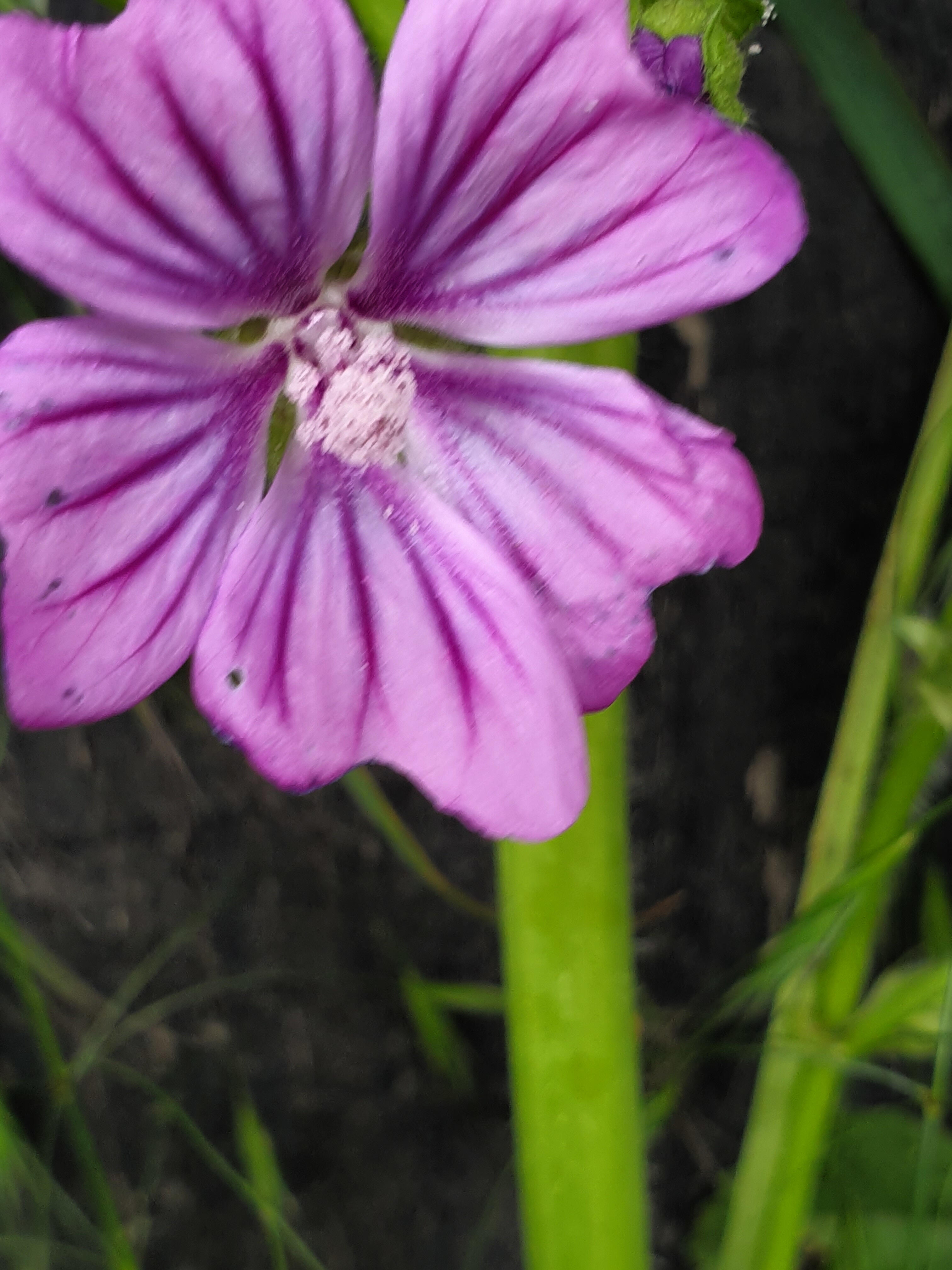
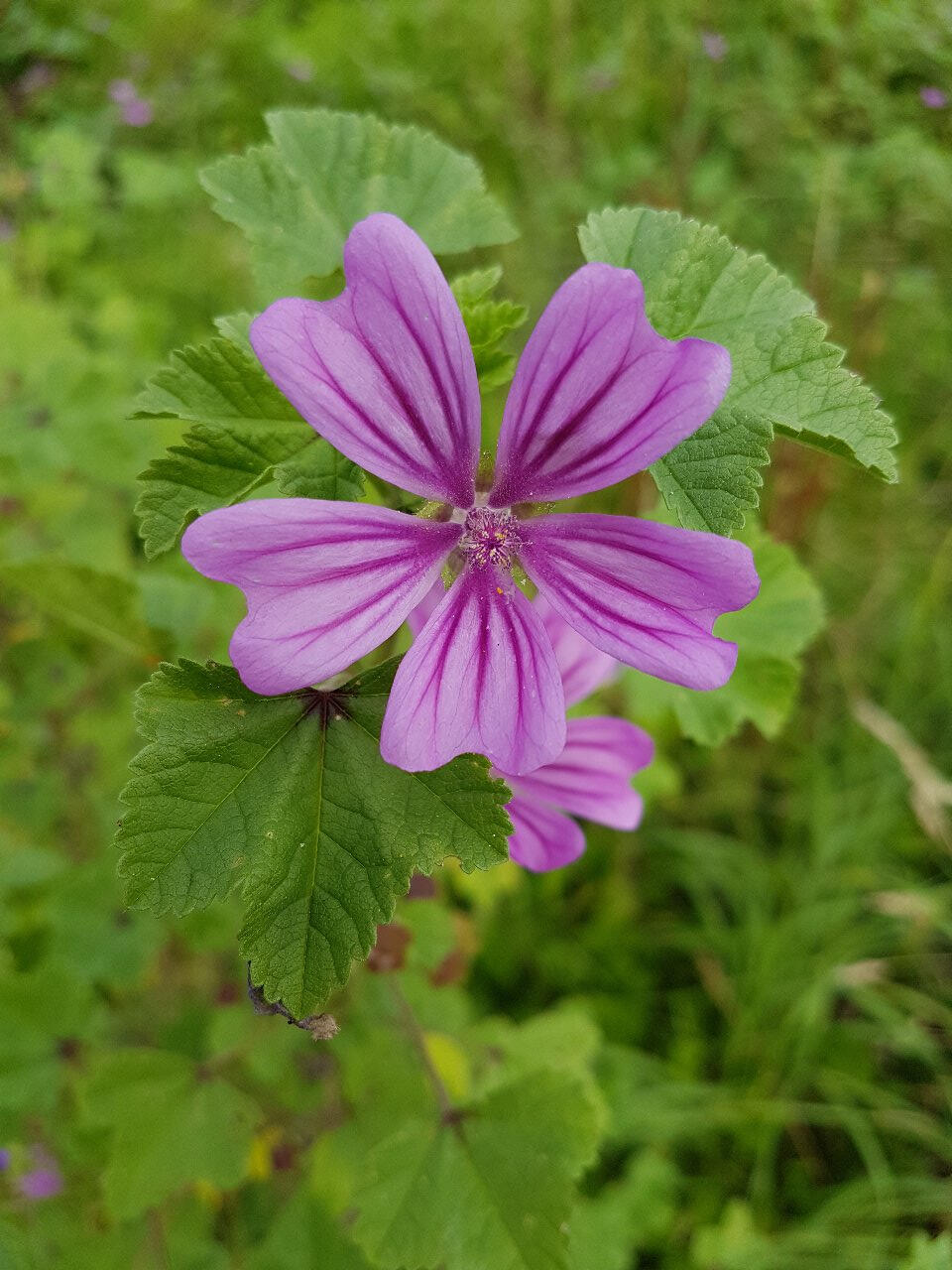
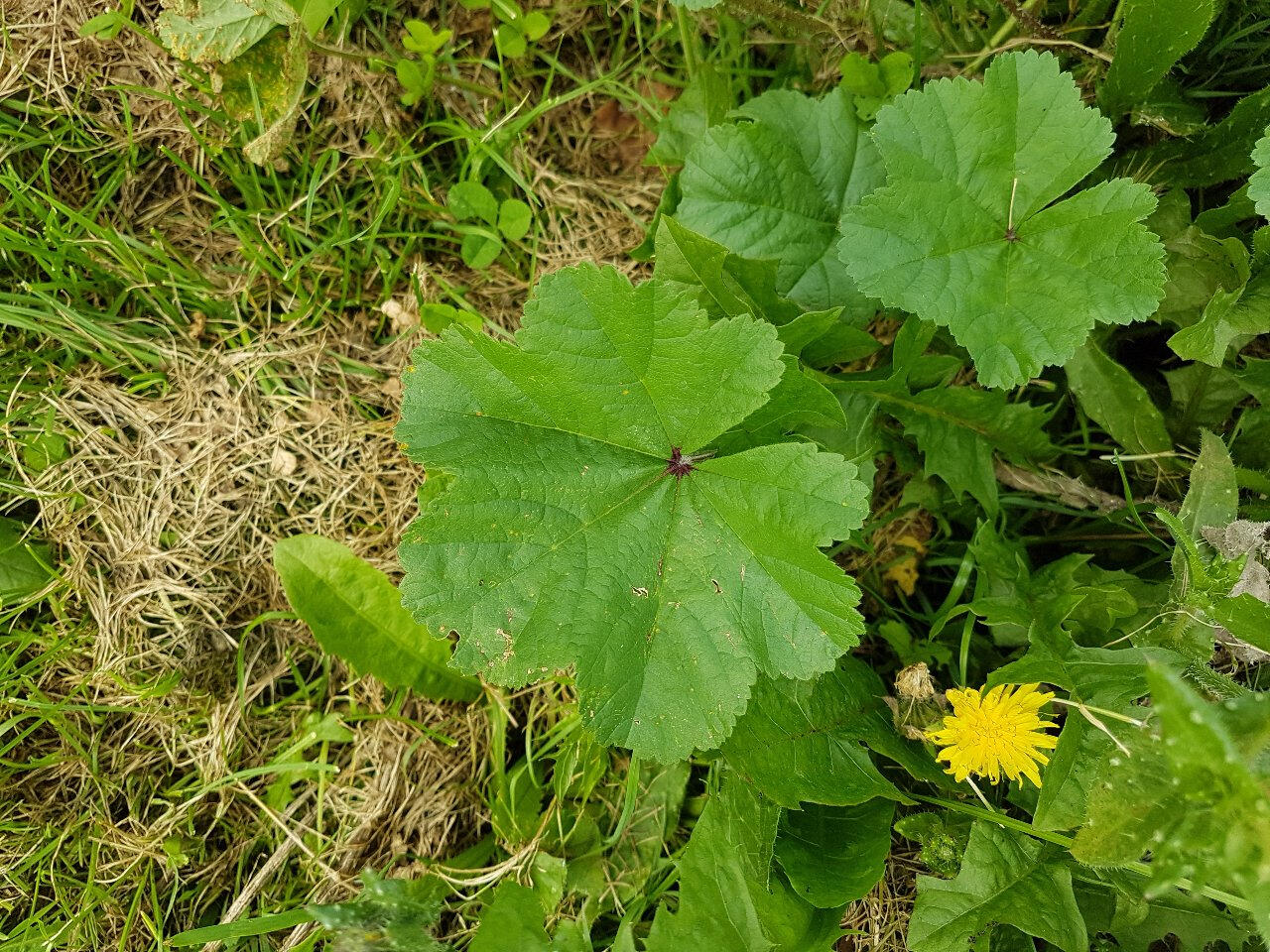
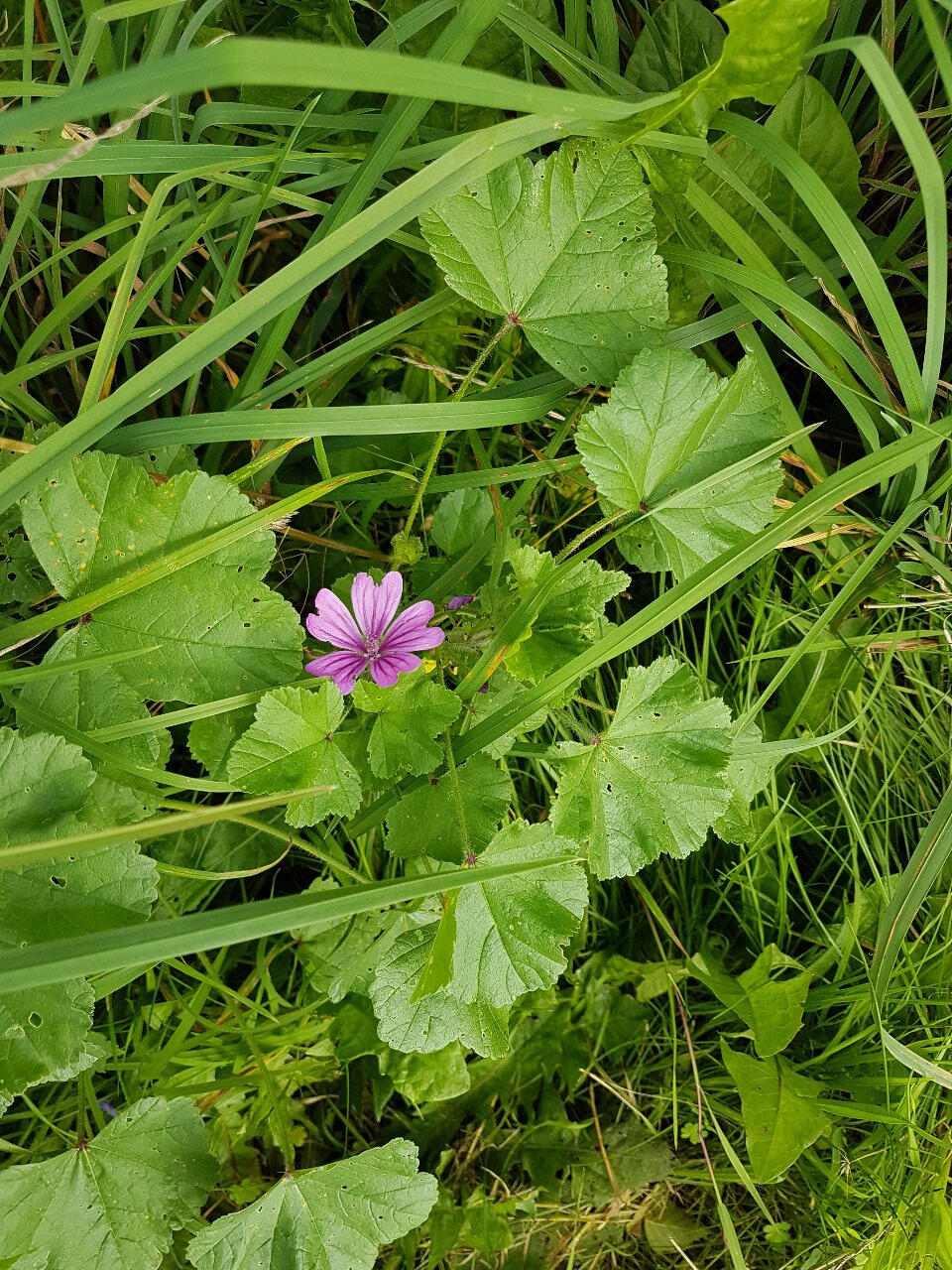
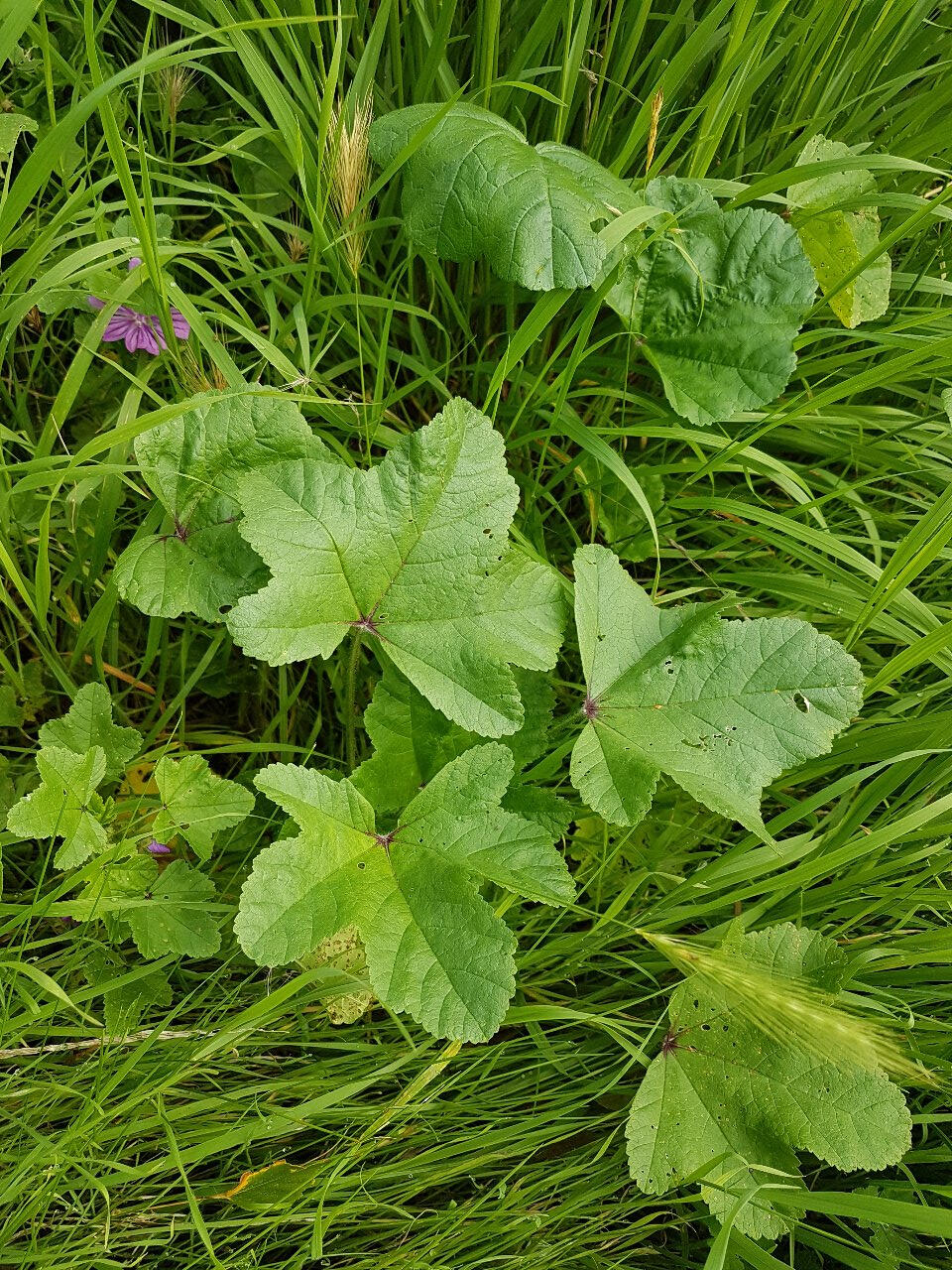


A fast growing perennial/biennial which can grow up to 50cm tall unsupported. It has large leaves, bright mauve/purple flowers and seed pods shaped like a cheese wheel, hence the common name “cheeses”. This common weed has such brightly coloured flowers that you could be forgiven for thinking that it had escaped from a garden; But no, this is not only one of our native wild plants, but also very useful for food.
Cheeses, French hollyhock, High mallow, Malva sylvestris, Tall mallow, Tree mallow

Cap
Gills
Stem
Flesh
Leaves
The leaves are round, divided where the stem joins, and usually with 5 shallow lobes. They are usually up to 10cm in diameter although can grow larger, and have hairs radiating from the centre. The leaves sometimes have a purple spot in the middle which, also sometimes extends down the petiole.
Flowers
The flowers are a pinkish-mauve with dark purple strips. The colour can vary slightly. They grow in axillary clusters of two to four flowers on the stem. The five petals are very narrow at the base, getting wider at the outside where they are slightly notched in the middle.
Seeds
Stem
Fruit
The fruit or seed pods are nutlets, sometimes called cheeses, and up to 1cm in diameter; Shaped like cheese wheels. They are green to begin with and start to brown as they ripen.
Taste
A very mild, sweet flavour
Frequency & law
Common and not restricted.
The nuanced bit

Possible confusion
Other mallows can look similar but are edible. Geraniums can have similar leaf shapes, but have a distinctive smell, whereas mallow leaves don’t have a noticeable smell.

Habitat
Native to western Europe, it can be found wild all across Europe, northern Africa and the Arabian peninsula and Asia. Woodland sunny spots, hedgerows, meadows, near footpaths, and gardens. Not usually found in acid soils.

How to harvest
Common mallow starts to appear from late May and will usually persist into October. The flowers can be harvested from June and can be dried for later use. The “cheeses” are usually about from late august onwards.

Cooking tips
Leaves are quite thick/mucilaginous and have a pleasant mild flavour. They can be roasted to make crisps, or used in place of vine leaves for dolmades. Flowers can be added to salads or desserts as a garnish. Seeds, also known as cheese wheels have a nutty flavour when eaten as a nibble.

Other uses
Cream, yellow and green dyes can be made from the plant and seed heads. Fibres from the stems can be used for cords, textiles and paper making.

Folklore
It was said that planting common mallow on graves would feed the dead.
A 3-hour session with a foraging expert, including ID work, finding and tasting wild ingredients, and a wild snack at Low Sizergh Barn
A 3-hour session with a foraging expert, including ID work, finding and tasting wild ingredients, and a wild snack at Cyferthfa Park.


