
Edible

Flora
Spring

Summer

Autumn

Back To Foraging Guide
Common Hogweed
Heraleum Sphondylium
.jpg)
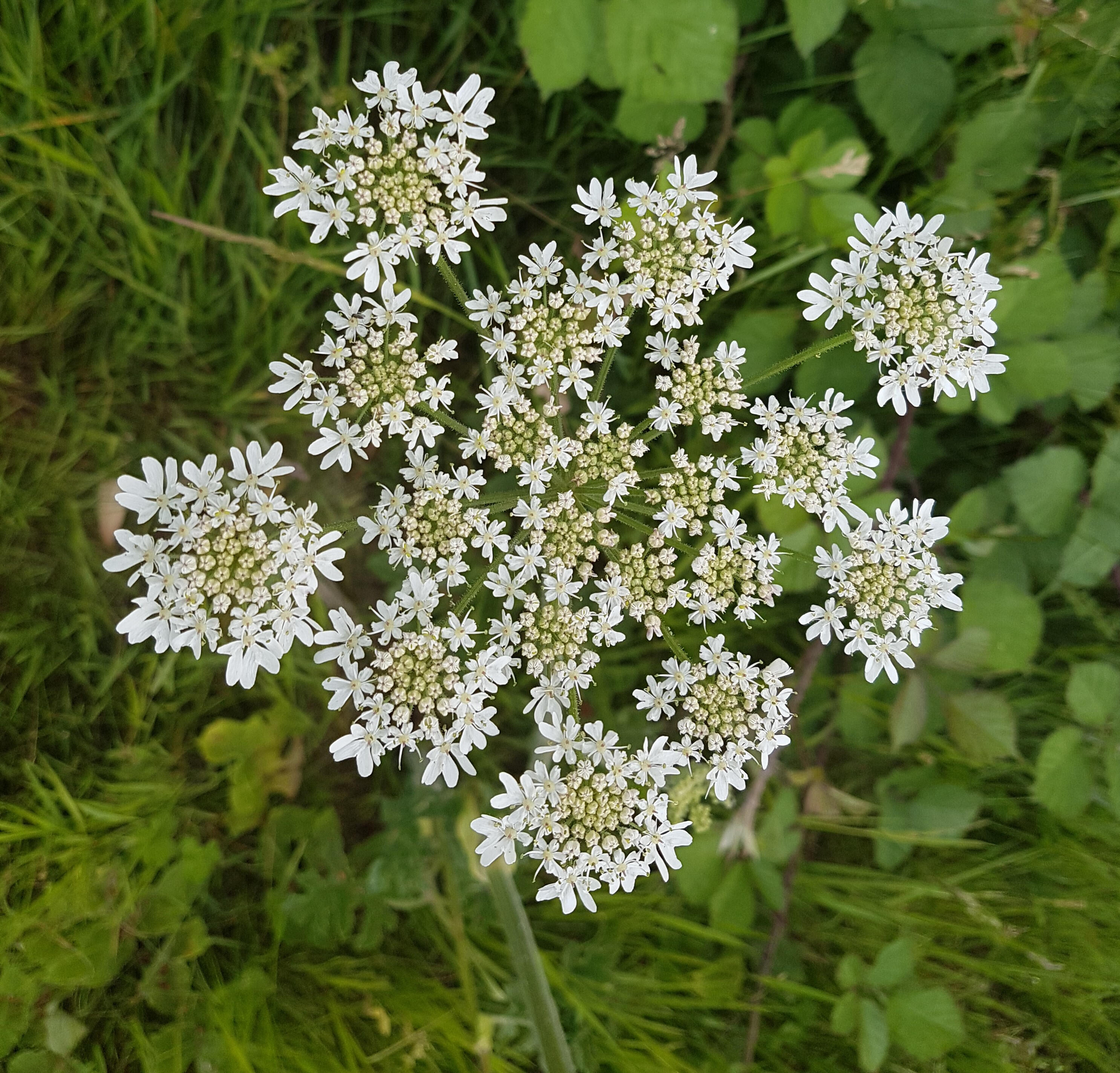

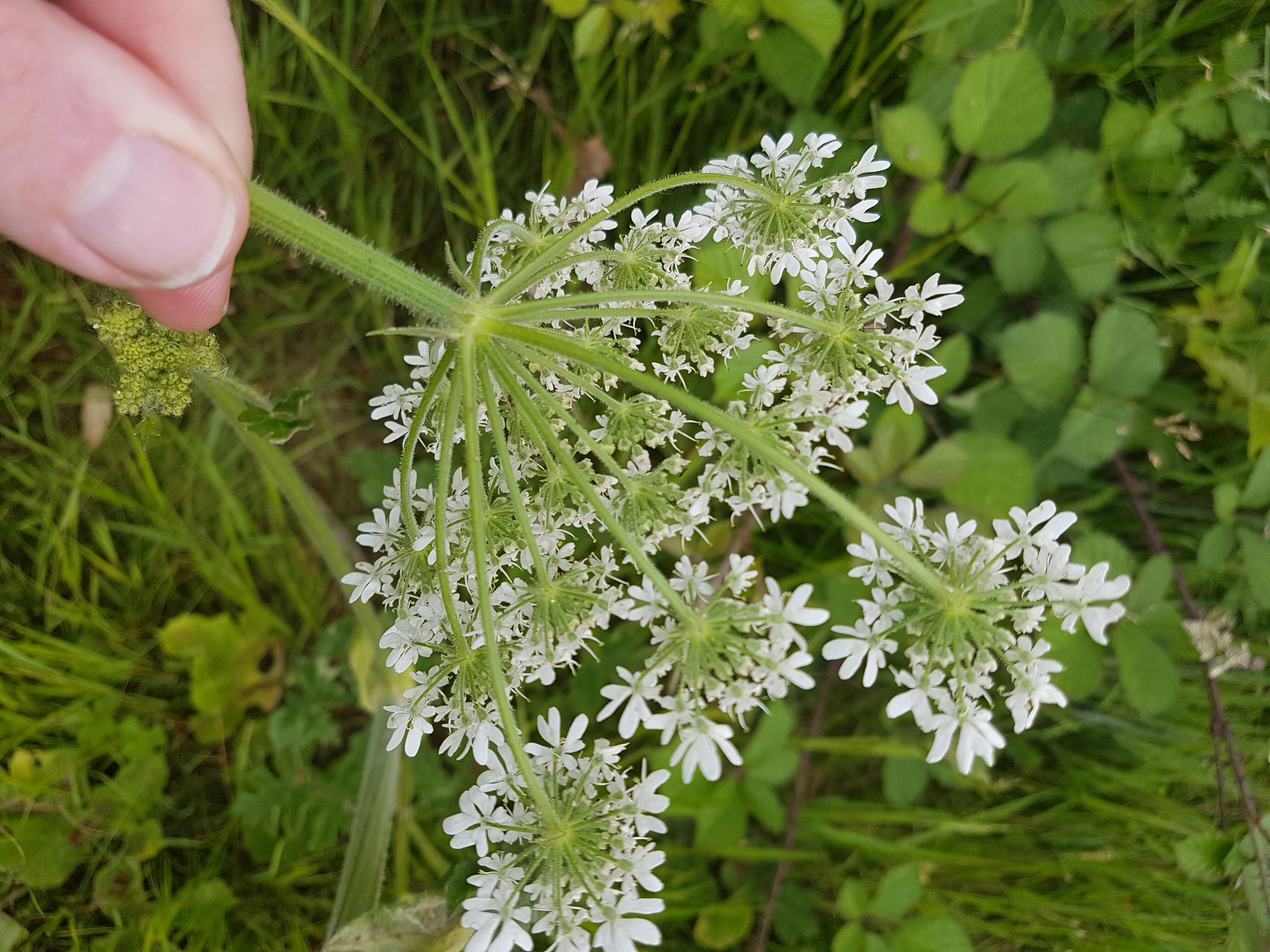

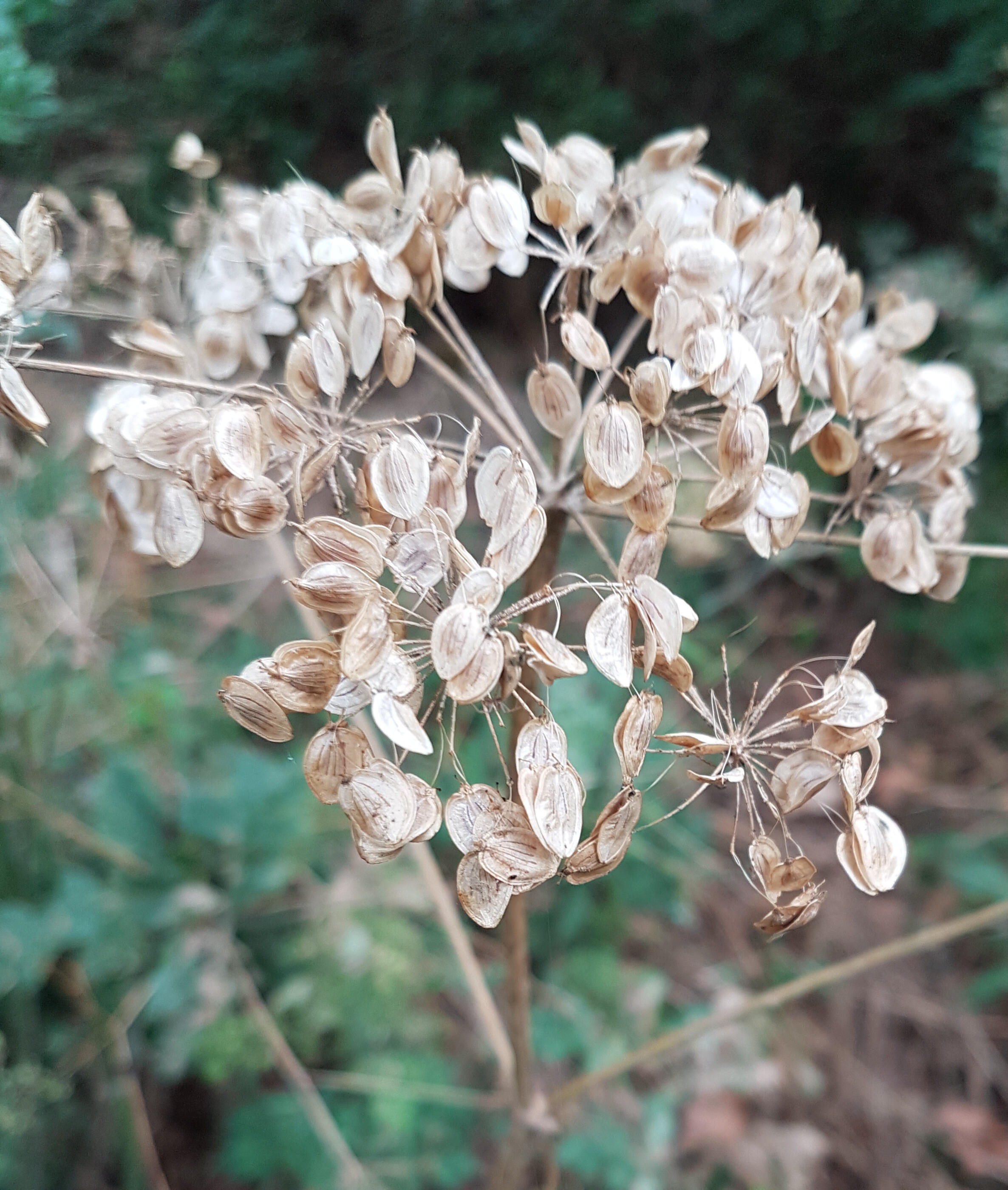
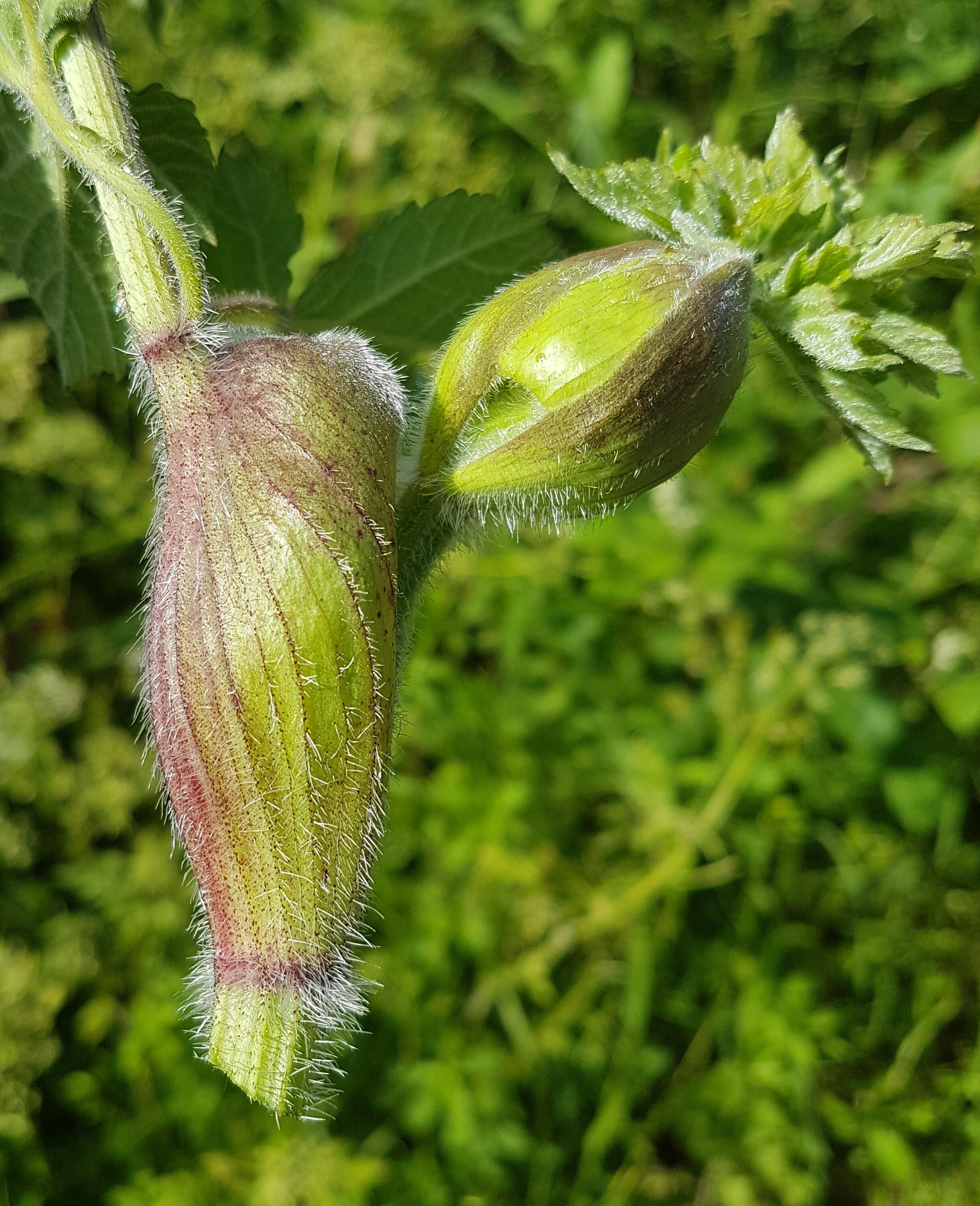
A roughly hairy, biennial/perennial plant growing to 1.8 m. A member of the apiaceae family, formerly known as umbelliferae; Umbelliferous plants were named after the umbrella-like arrangement of flowers they produce.
Common Hogweed, Cow parsnip, Eltrot

Cap
Gills
Stem
Flesh
Leaves
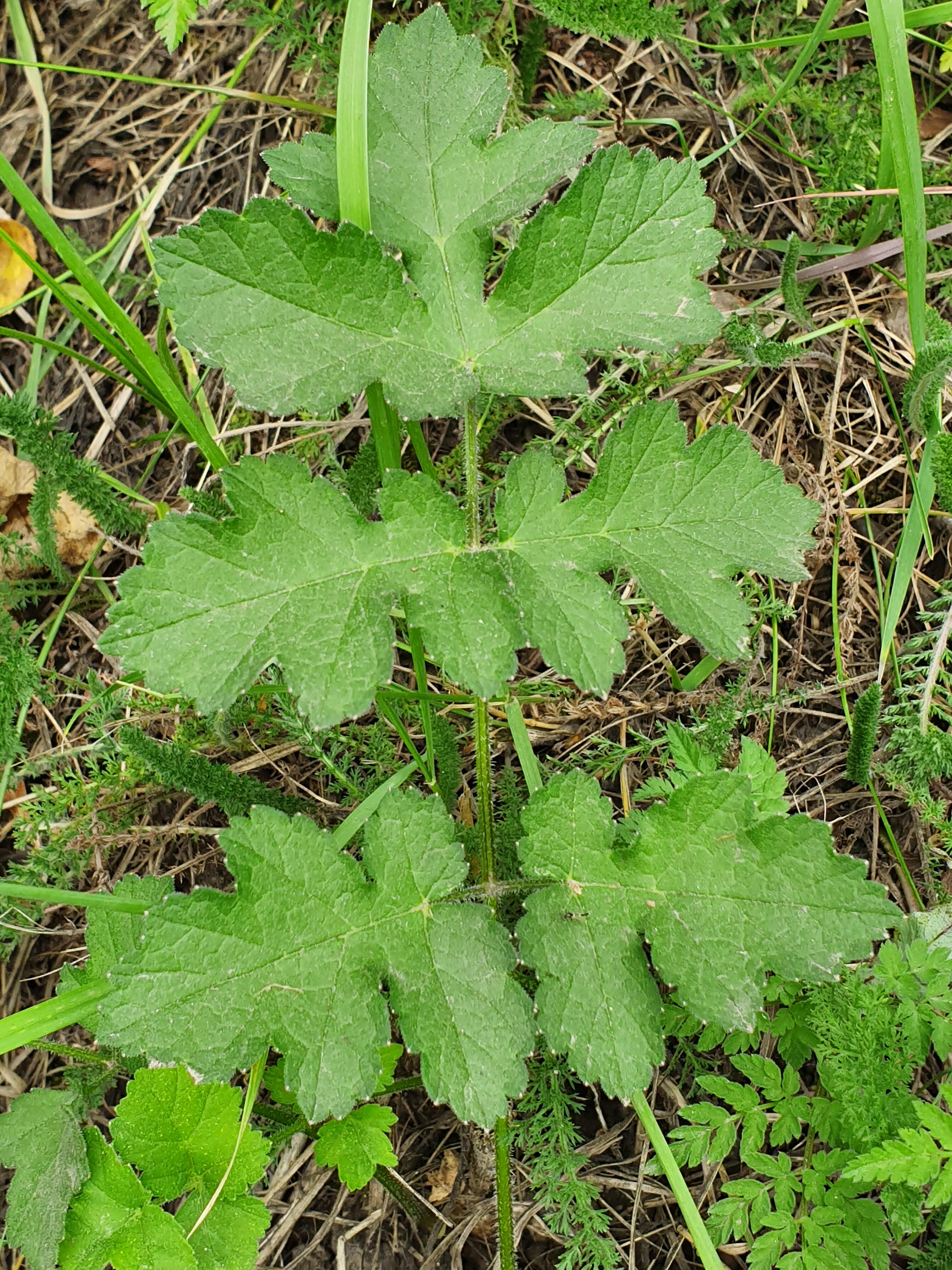
The leaves are hairy and serrated, divided into 3 lobed segments, and can grow up to 50cm long.
Flowers
Pink and/or white flowers with 5 petals arranged in large umbels. Each umbel can be up to 30cm wide with 15 to 30 rays. The terminal umbels are typically flat-topped, with the outer petals extended, all to make it easier for insects (beetles, wasps and flies) to land and help the plant to pollinate.
Seeds
Stem
Ridged, hollow, hairy stem, reminiscent of celery (another apiaceae family member). Segmented at the leaf stem junctions.
Fruit
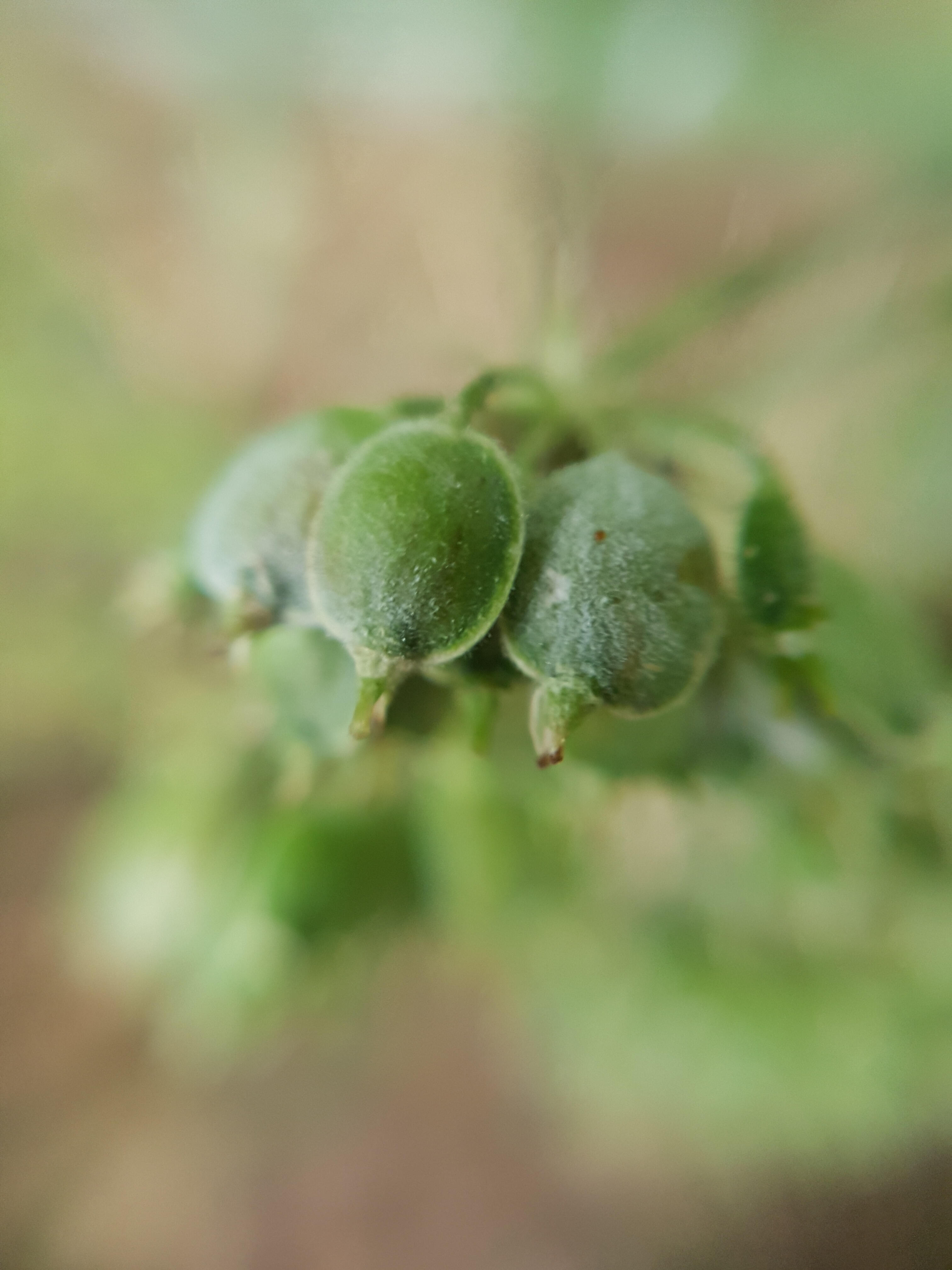
The small fruit are bulbous and green to begin with, ageing to a flattened and brown pod which is commonly dispersed by wind.
Taste
It is a very pungent, floral taste which mellows greatly when cooked.
Frequency & law
Very common, not restricted
The nuanced bit
Common hogweed has at least 19 identified sub-species, & it cross-pollinates & hybridises readily. Each of the variations has slightly different characteristics, & some can look more like giant hogweed than common hogweed, making it sometimes quite difficult to be sure which one you have.

Possible confusion
Now this is where a prized edible wild plant becomes less desirable. As well as having at least 19 confirmed sub-species, each with slightly different characteristics and the fact that it hybridises easily to create more variations, many members of the apiaceae family have similar white flowers in compound umbels. This really makes the point for me, that it’s not enough to be sure of 1 characteristic of a plant, you need to be sure of them all. As well as giant hogweed and its phototoxicity, water hemlocks and poison hemlock have umbels of white flowers and are highly poisonous.

Habitat
Europe, including Britain, Asia and western North Africa. It has been introduced in Canada and the USA. Moist grassland and ditches, by hedges, in woods, road and path verges, and railway embankments.

How to harvest
The leaves appear in the spring and it flowers from June to September. The seeds ripen from July to October

Cooking tips
Stems and young shoots – raw or cooked. The leaves can be added to stews and soups. The leaf and flower buds, before they open can be fried in butter, or battered and deep fried. The green fruit are apparently a tasty trailside snack, I’ve always found them too pungent for my liking!

Other uses
The leaves are quite popular with the larvae of the leaf miner Phytomyza spondylii, and the small picture-winged fly, Euleia heraclei is commonly found on hogweed.

Folklore


A beautiful dish, made by pulling many wild elements together.


A 3-hour session with a foraging expert, including ID work, finding and tasting wild ingredients, and a wild snack at Bassenthwaite Lake Station
A 3-hour session with a foraging expert, including ID work, finding and tasting wild ingredients, and a wild snack at Castle Meadows.


