
Flora

Edible
Spring

Summer

Back To Foraging Guide
Chickweed
Stellaria media
.jpg)
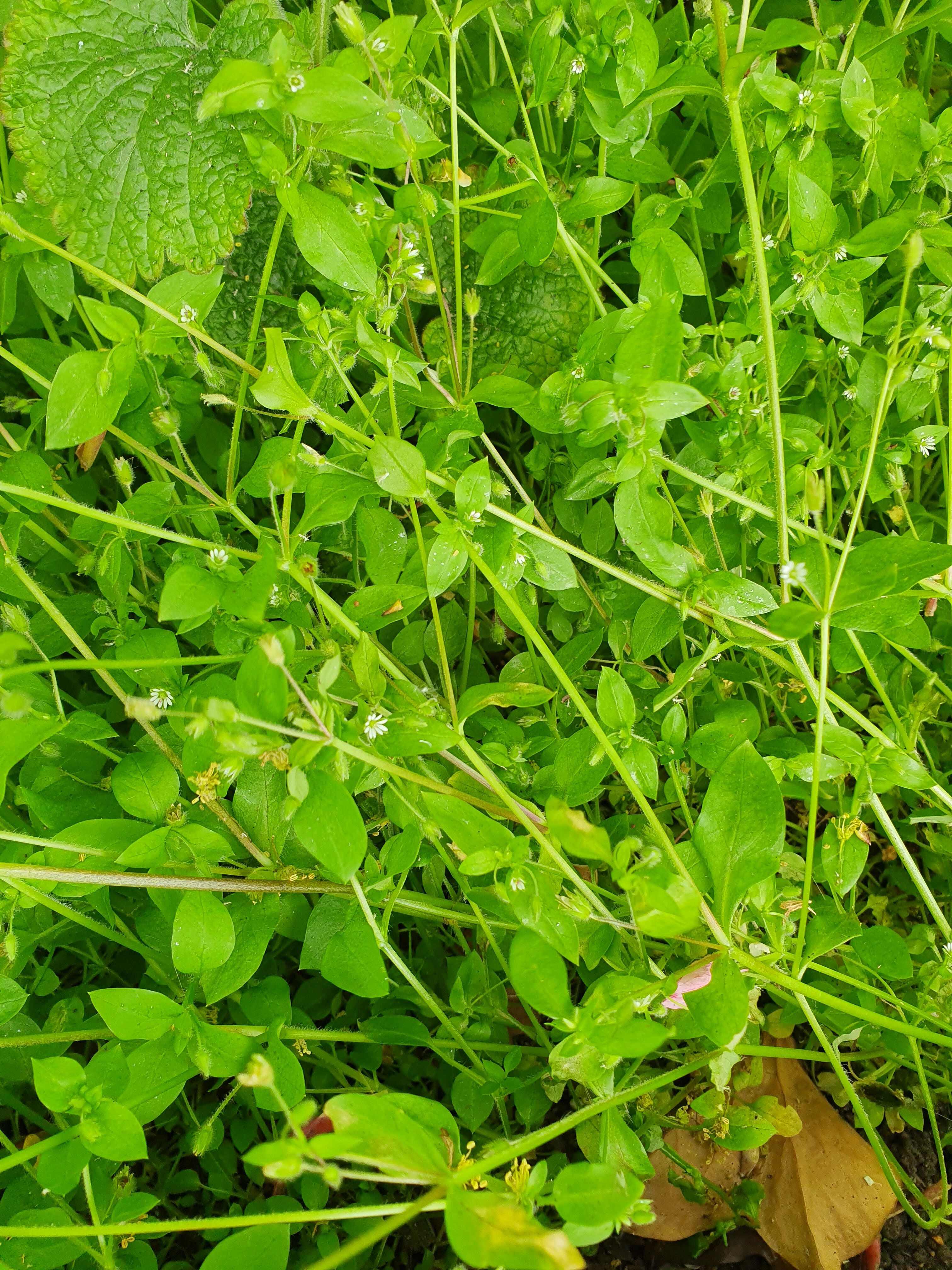
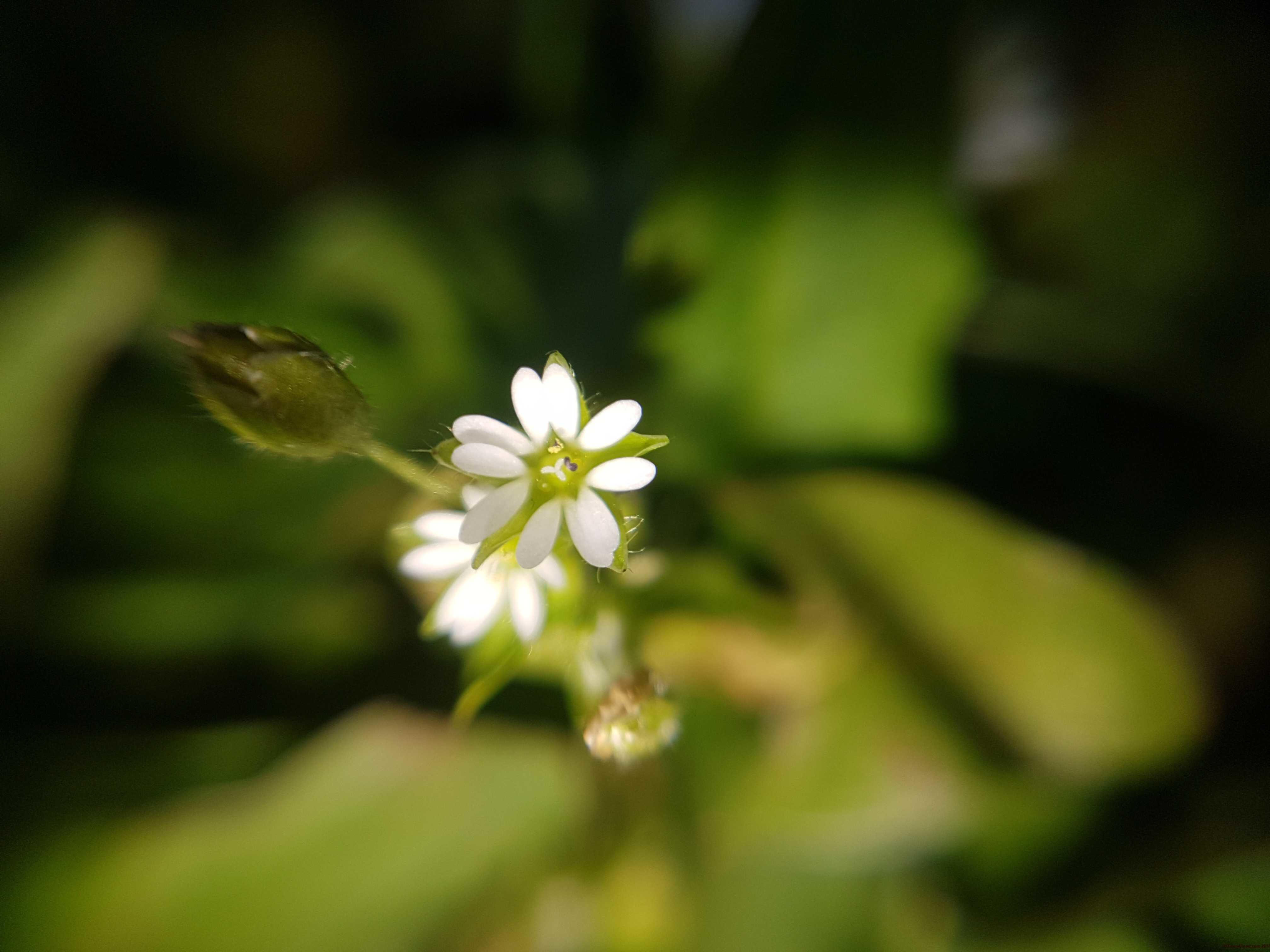
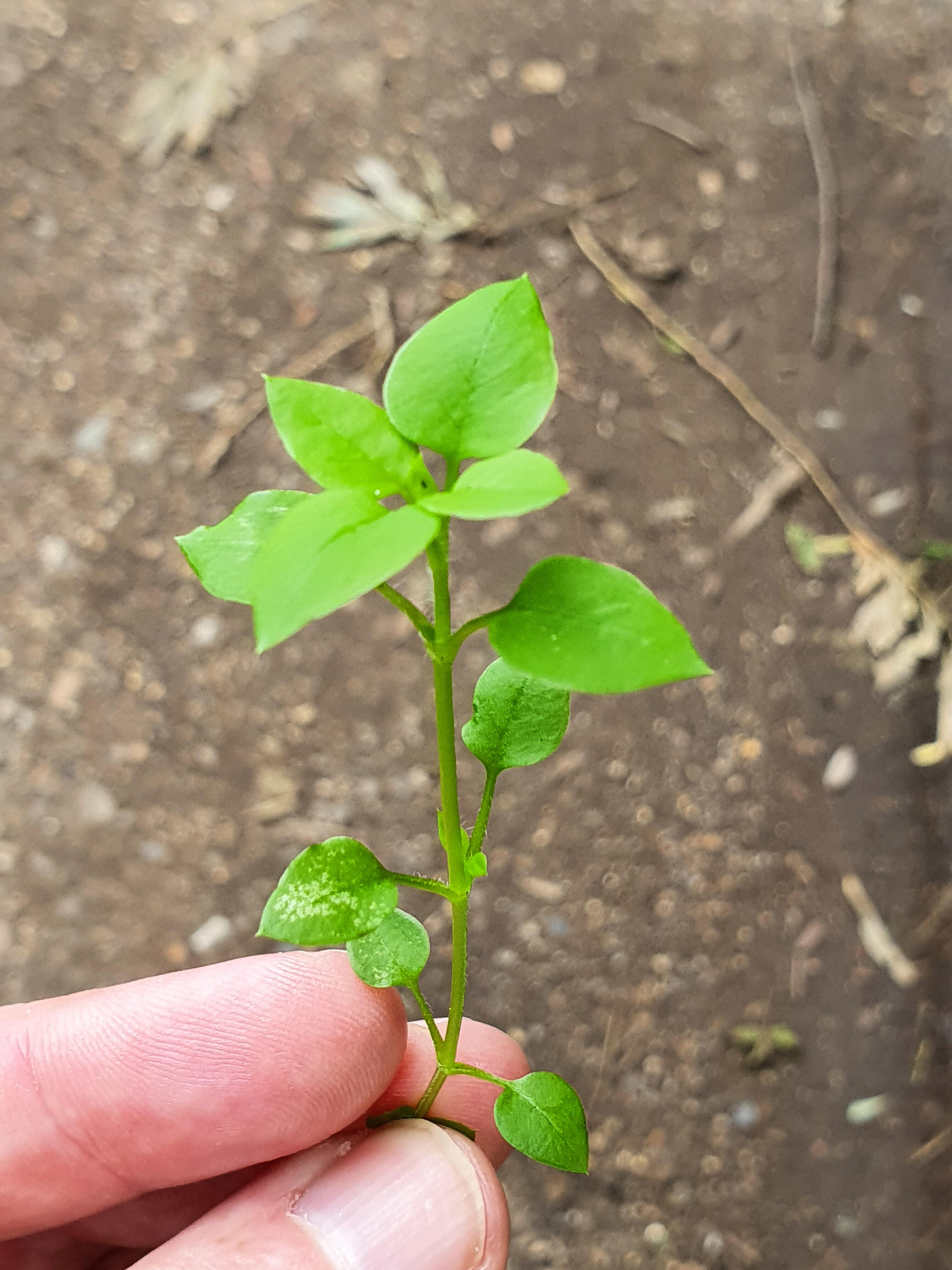
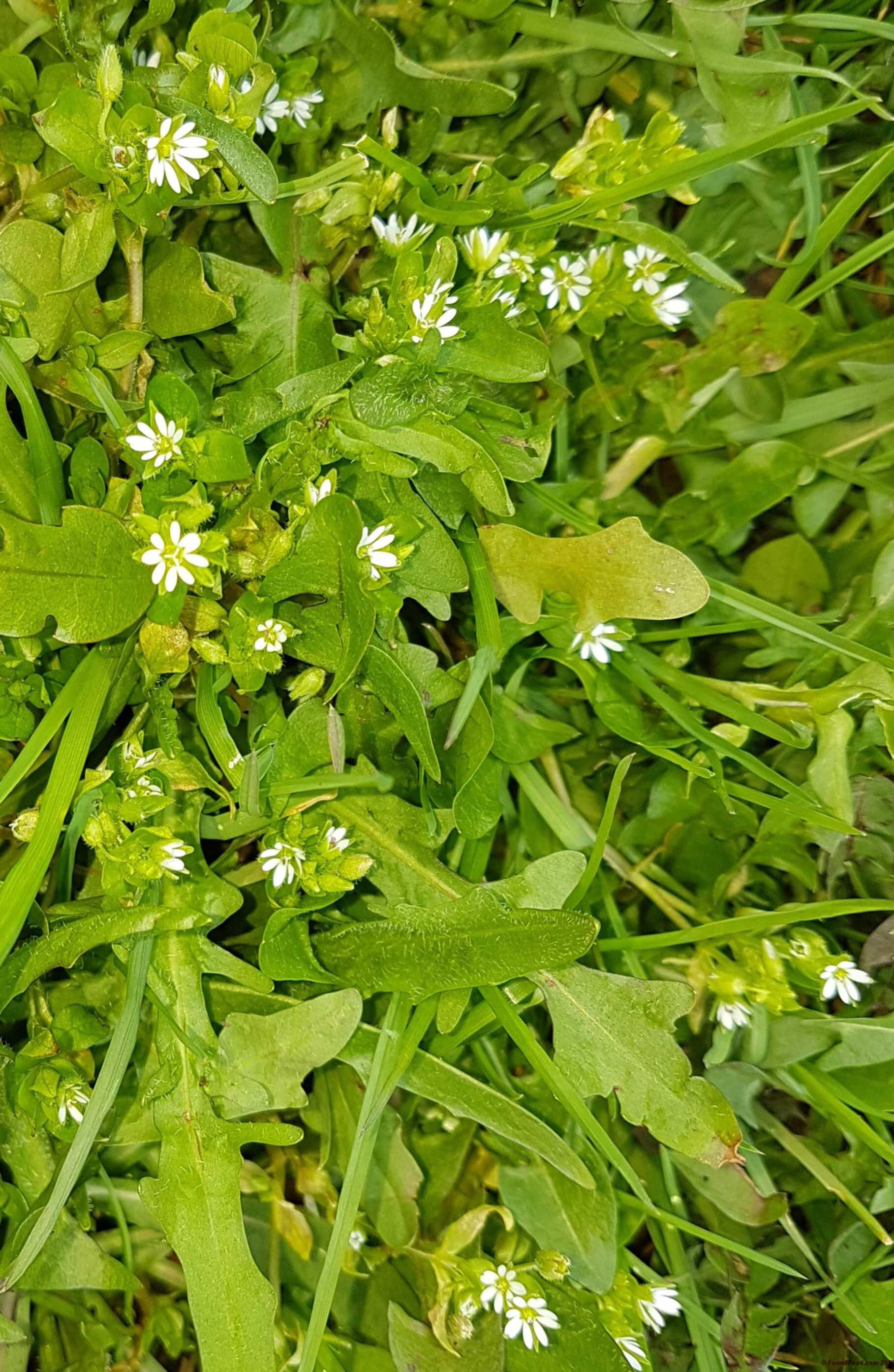
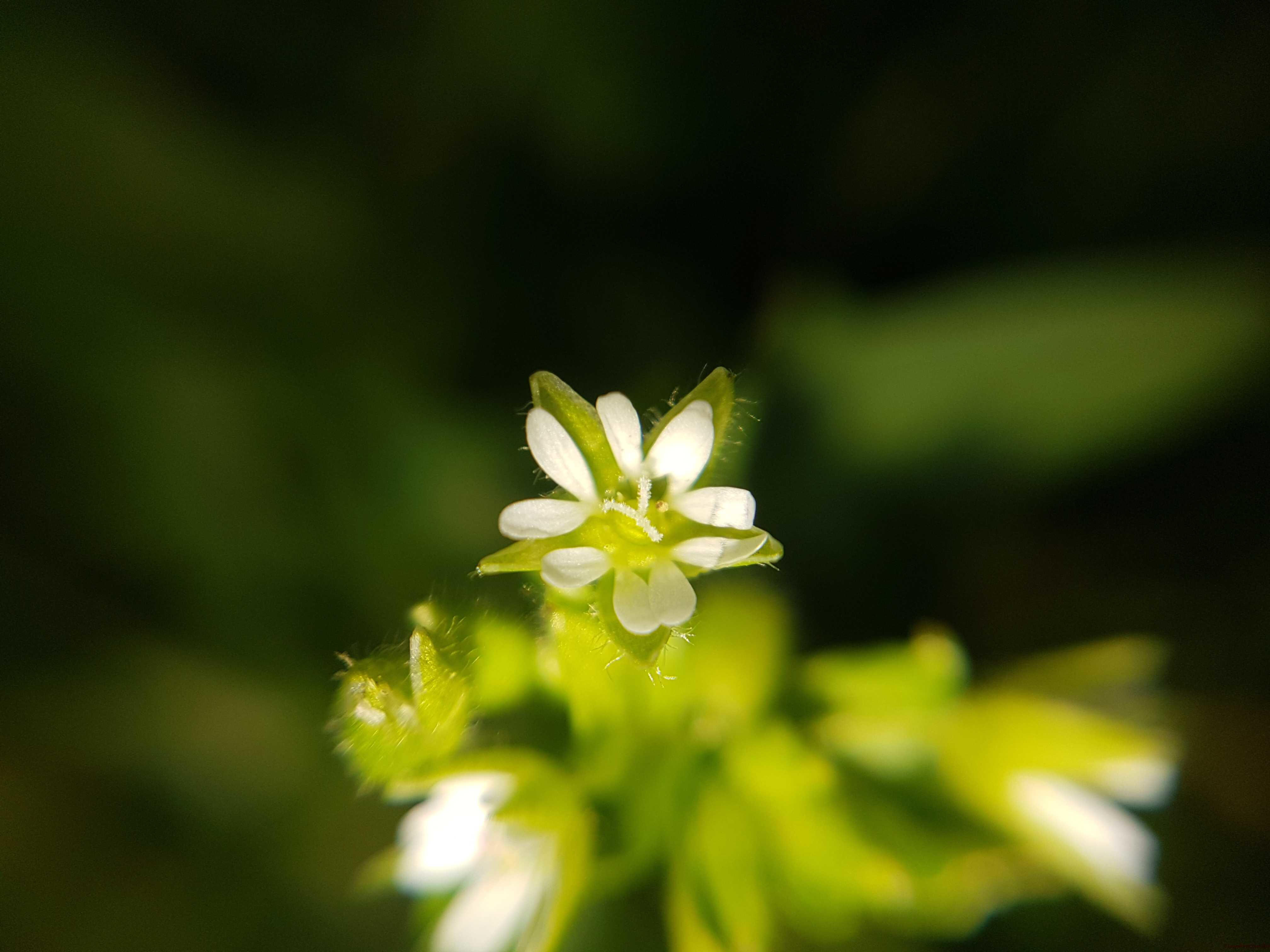
Chickweed is nutrient and medicinal component rich, and grows just about everywhere, and in large quantities. It tastes like a mild rocket leaf raw, and is so freely available that it’s a surprise that we don’t use it more.
Chickenwort, Common chickweed, Craches, Maruns, Winterweed

Cap
Gills
Stem
Flesh
Leaves
The leaves are oval and opposite, the lower ones with stalks.
Flowers
Flowers are white and small with 5 very deeply lobed petals. Usually 3 stamens and 3 styles.
Seeds
The flowers are followed quickly by the seed pods. This plant flowers and sets seed at the same time.
Stem
Stellaria has fine hairs on only one side of the stem in a single band and on the sepals. This like of hairs has been observed to switch sides of the stem when it reaches a leaf axil. Other members of the family Caryophyllaceae which resemble Stellaria have hairs uniformly covering the entire stem.
Fruit
Taste
I find that they taste like a mild version of rocket, so make an excellent salad leaf (although when young, I throw in the stem and all, not just the leaves).
Frequency & law
Very common and not restricted.
The nuanced bit
Allegedly the seeds were ground into a powder and used in making bread or to thicken soups; however, it would be very fiddly to harvest any quantity of this seed since it is produced in small quantities throughout most of the year and is very small.

Possible confusion
Chickweed looks like spurge (Euphorbia peplus), as well as scarlet pimpernel (Anagallis arvensis). Spurge lets out a white sap when you cut it, chickweed doesn’t. But scarlet pimpernel is also poisonous, and doesn’t have white sap. The main identification feature for chickweed is you take one plant and hold it up to the light. Look for a tiny line of hairs going down one side of the stem. It will occasionally alternate from one side of the stem to the other.

Habitat
Stellaria media is widespread in North America, Europe and Asia. A cool-season annual plant native to Europe, but naturalized in many parts of North America.

How to harvest
Young leaves can be available all year round if the winter is not too severe. Seeds may also be available for most of the year. For medicines, Chickweed is best harvested between May and July, it can be used fresh or be dried and stored for later use.

Cooking tips
It is edible and nutritious, and is used as a leaf vegetable, often raw in salads. Young leaves, raw or cooked as a potherb. Very nutritious, they can be added to salads whilst the cooked leaves can scarcely be distinguished from spring spinach.

Other uses
The larvae of the European moth yellow shell (Camptogramma bilineata), of North American moths pale-banded dart (Agnorisma badinodis) or dusky cutworm (Agrotis venerabilis) or North American butterfly dainty sulphur (Nathalis iole) all feed on chickweed.

Folklore
It was used as a weather predictor; When the leaves and flowers unfurl, good weather is coming, when they close up, bad weather is coming. Botanically it’s actually quite accurate, but possibly less convenient than a broadcast weather forecast.
A 3-hour session with a foraging expert, including ID work, finding and tasting wild ingredients, and a wild snack in Heversham.
A 3-hour session with a foraging expert, including ID work, finding and tasting wild ingredients, and a wild snack at Graves Park


