
Flora

Edible
Spring

Summer

Back To Foraging Guide
Cherry Plum
Prunus Cerasifera

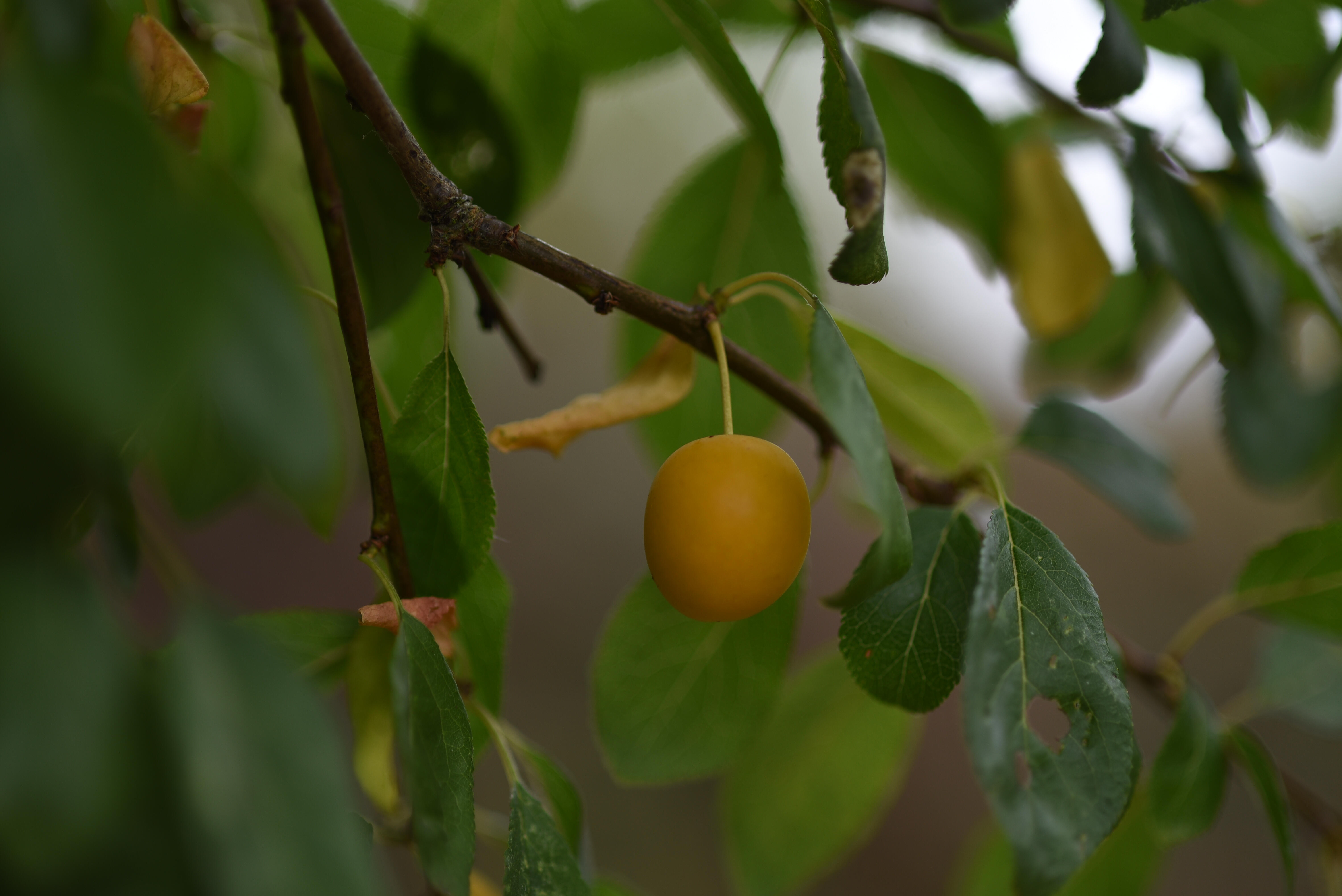


Often found as a small to medium sized tree, though able to grow to around 10 metres, producing White blossom early in the year and small plum-like fruits in late summer. Thornless. Originating from Asia and Southern Europe it has naturalised in the UK.
Mirabelles, Myrobalan, Wild Plum.

Cap
Gills
Stem
Flesh
Leaves
Dark green ovate leaves 3cm to 8cm in length, alternating along branch.
Flowers
Small white flowers comprised of five petals, often one of the first blossoms of the year. Flowers are edible though should not be consumed in large quantities as they can contain very small amounts of Hydrogen Cyanide.
Seeds
A single seed/stone roughly 1.5cm long. Should not be consumed as they contain Amygdalin that can release Cyanide into the body.
Stem
Dark brown bark with visible lenticels (horizontal lines or dots, lighter in colour than the bark) relatively smooth bark, not ridged. The new branch growth is often light green, a distinctive feature and branches are thornless.
Fruit
a small plum-like fruit, varying from 2cm to 2.5cm in length and coming in yellow or red, containing a single seed/stone roughly 1.5cm long. Taste is similar to plum, though some are more sour.
Taste
Sweet, sometimes sour, similar to plums.
Frequency & law
A fairly common tree in the UK. As part of the four F’s (Fruit, Foliage, Fungi and Flowers) picking is often not an issue, though if in someones garden or private land it is always best to ask and in most cases the answer is yes.
The nuanced bit
A precursor and thought to be one of the parent plants of the domestic Plum. Cherry Plum can hybridise with Blackthorn producing a tree with a mixture of both trees attributes.

Possible confusion
Blackthorn (Prunus Spinosa) (Edible) is almost identical in terms of bark, leaves and flowers. However the new growth on blackthorn is light brown as apposed to the cherry plum which is often light green. Blackthorn also, has thorns and produces small spherical dark blue to black fruits known as Sloes, with a blue powdery bloom that will rub off, they are roughly 1.5cm in diameter, much smaller than that of the Cherry Plum. Blackthorn leaves are also smaller ranging between 2cm to 4cm. On closer inspection of the flowers structure there are some key differences, Blackthorn flowers are often smaller and although appearing early in the year, they often flower after the Cherry Plum. Damson (Prunus Domestica SubS intistitia) (Edible) is very similar but the fruits often larger and oval in shape, they are dark blue to black in colour and have a powdery bloom on them, similar to sloes. Bullace (Prunus Domestica SubS intistitia) (Edible) is very similar though has dark blue to black fruits and a powdery bloom, similar to Sloes and Damsons.

Habitat
Often found in hedgerows, planted in parkland, or in scrubby grassland and has naturalised in the UK.

How to harvest
If fruits are within reach simply pick them off the tree, sticks or leg ups can be utilised for those harder to reach. Check the ripeness of the fruit as unripe fruits can be quite sour, fruits that are more ripe tend to be darker in colour.

Cooking tips
Can be used as Plums in cooking, in jams, fruit leathers or just eaten raw.

Other uses
The flowers can be used to flavour alcohols or adorn cakes and salads.

Folklore
In Japanese folklore Plum blossom is considered good fortune, and associated with resilience and perseverance as they bloom early in the year in wintery conditions.
A 3-hour session with a foraging expert, including ID work, finding and tasting wild ingredients, and a wild snack in The Forest Of Bowland
A 3-hour session with a foraging expert, including ID work, finding and tasting wild ingredients and a wild food taster in Stockport.


