
Flora

Edible

Summer

Autumn

Back To Foraging Guide
Bullace
Prunus domestica subsp. insititia var. nigra
.jpg)
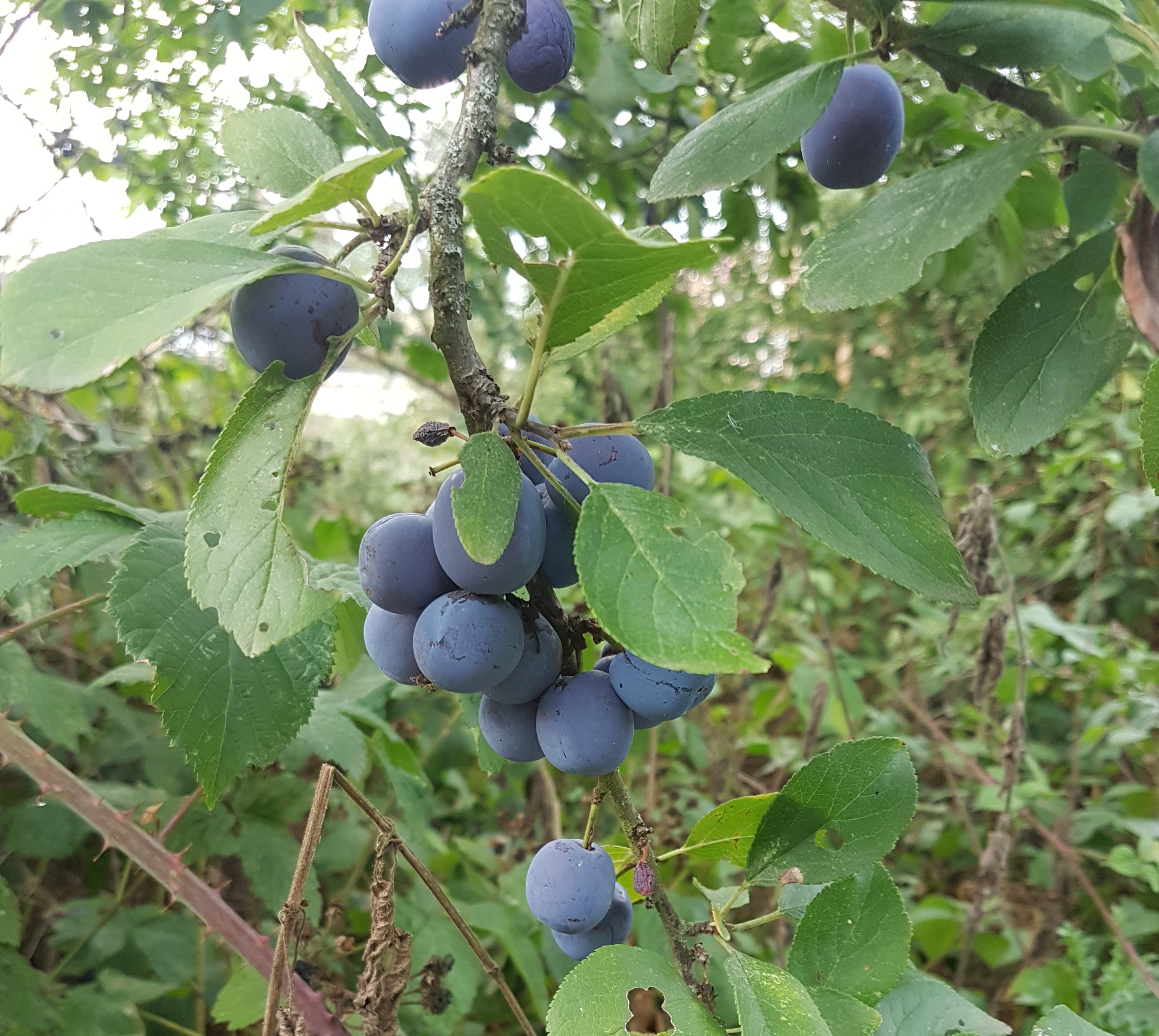
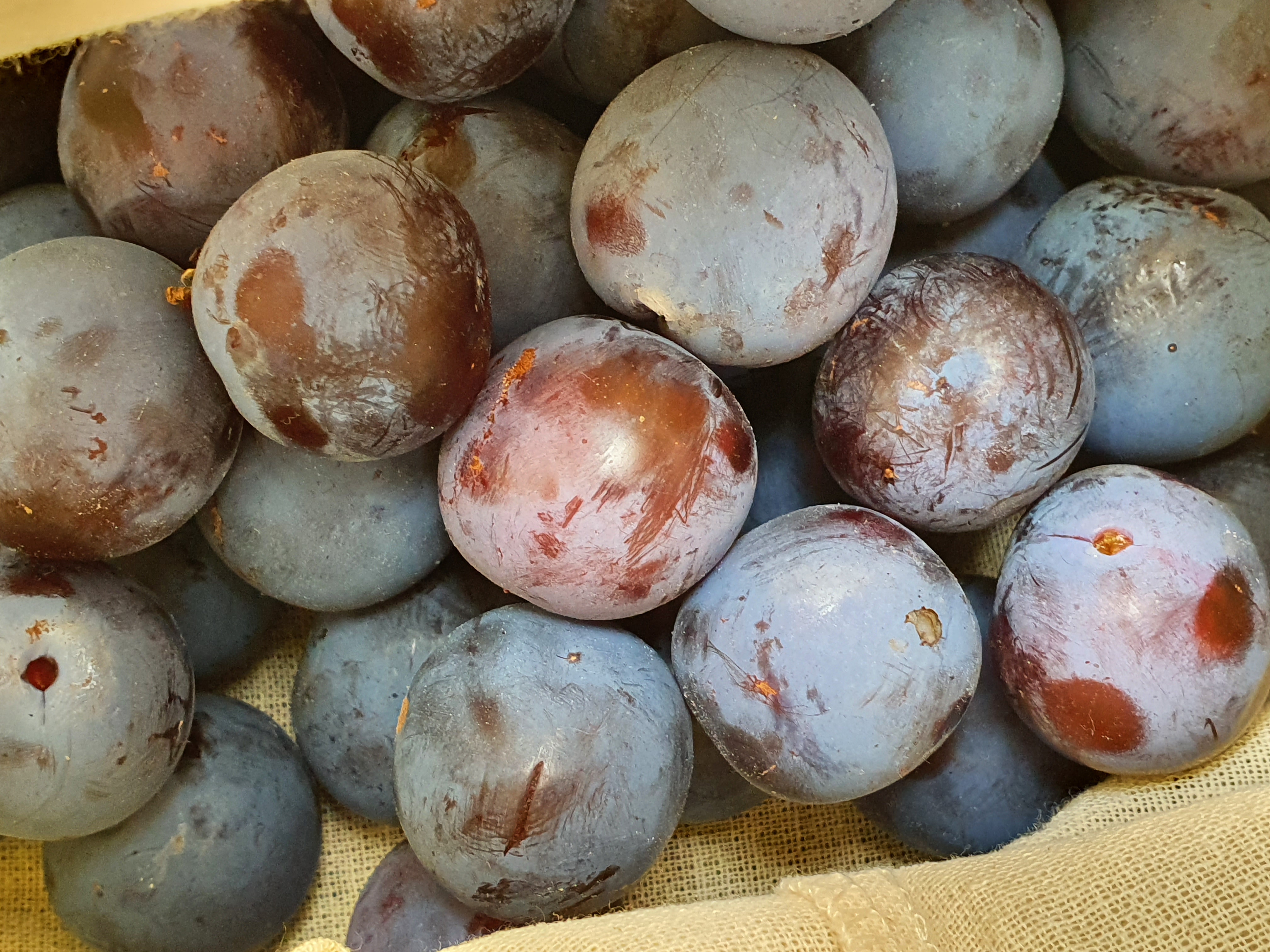
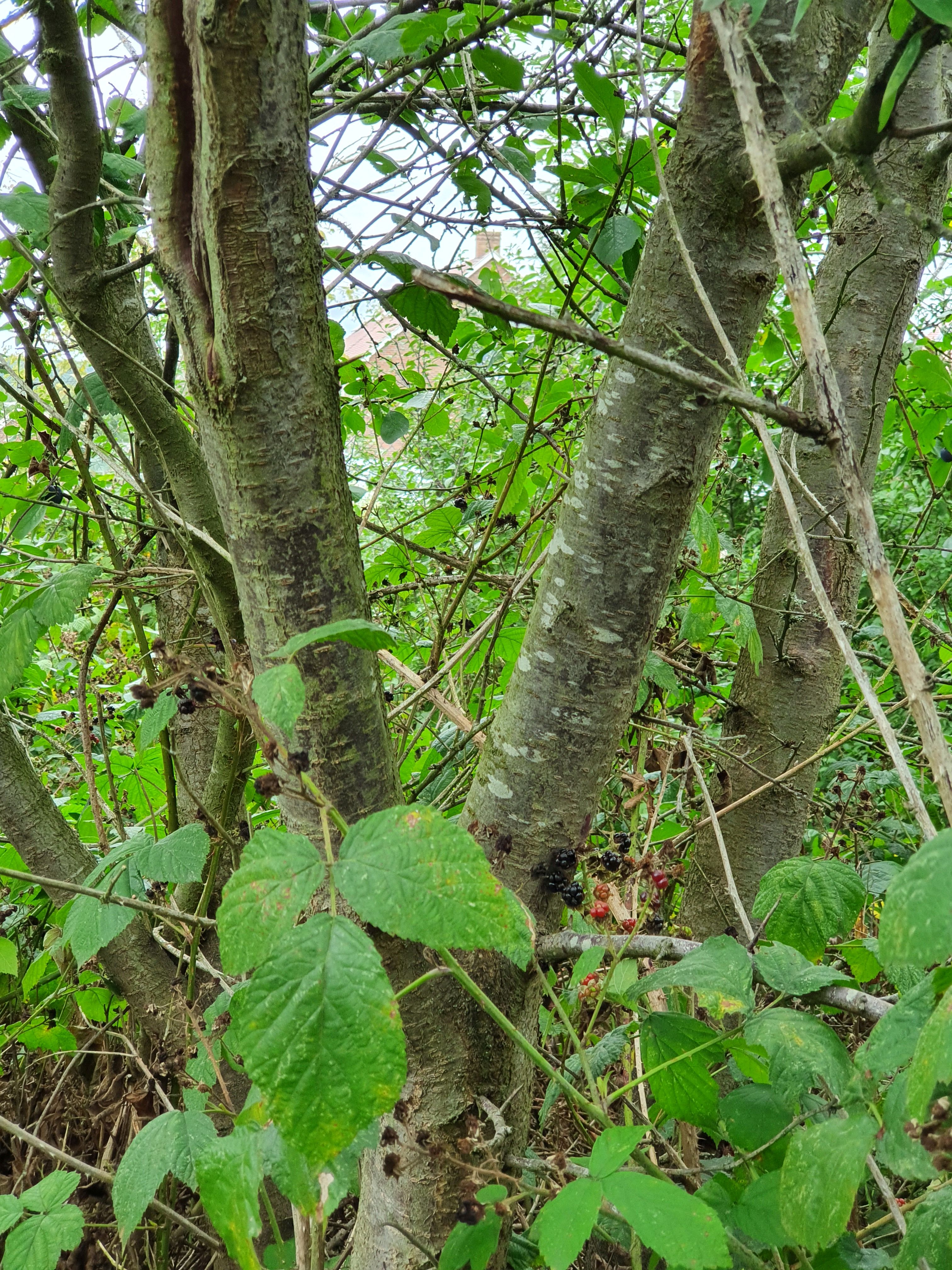
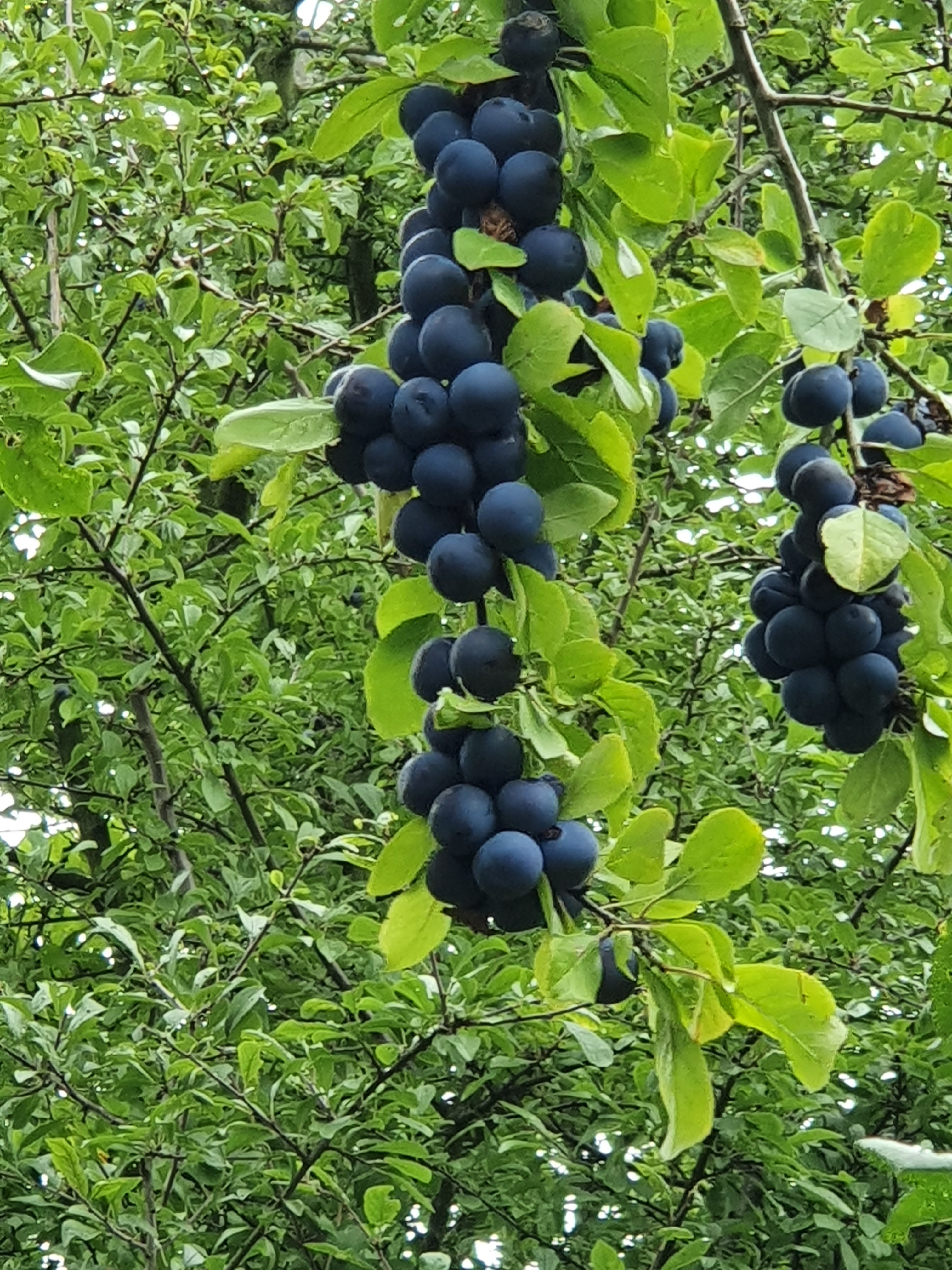
The bullace is a variety of wild plum. It has edible (if a little sour and astringent) fruit similar to those of the damson, and like the damson is considered to be a strain of the insititia subspecies of Prunus domestica. Although the term has regionally been applied to several different kinds of “wild plum” found in the United Kingdom, it is usually taken to refer to varieties with a spherical shape, as opposed to the oval damsons.
Black bullace, Bullies, Bullison, Bullum-tree, Langley bullace, Scad, Shepherd's bullace, White bullace, Wild damson

Cap
Gills
Stem
Flesh
Leaves
Commonly they are oval with a short point at the top or teardrop shaped, on short downy stalks. There are small teeth around the margins of the leaves and it is smooth on top. Some leaves will be downy underneath.
Flowers
White flowers appear in clusters of 2-3 at the same time as the leaves. Similar to blackthorn, with longer, wider petals.
Seeds
Large and oval.
Stem
Fruit
Spherical, dark-blue to purple and up to 4 cm in diameter.
Taste
Somewhat sour but sweeter when cooked or after a frost.
Frequency & law
Fairly rare nowadays but not restricted
The nuanced bit
Often confused with damsons and other wild plums, the bullace has a less pronounced (sometimes not visible) crease and tends to be more round than the oval damson.

Possible confusion
Damsons, sloes, other wild plums – all edible though.

Habitat
Thickets, hedges and open woods. Native to S. W. Asia. Naturalised and often considered a native of Britain.

How to harvest
Harvest the fruit in late Autumn, early winter. Can be frozen for later use – indeed, freezing improves the flavour.

Cooking tips
Raw or cooked. More acid than a plum but it is very acceptable raw when fully ripe, especially after a frost (if you’re very lucky!). Can be used to make wine or to flavour gin/vodka.

Other uses
Grey-green dyes can be obtained from the leaves and the fruit.

Folklore
The name probably originates from the Middle English bolas, itself from the Old French beloce, meaning “sloe”. Wild plums were formerly called “bullies” in parts of Lincolnshire. Similar to the Middle English bolas, bwlas was used in the Welsh language.
A 3-hour session with a foraging expert, including ID work, finding and tasting wild ingredients, and a wild snack at Island Fields.
A 3-hour session with a foraging expert, including ID work, finding and tasting wild ingredients, and a wild snack in Heversham


