
Flora

Edible
Spring

Summer

Autumn

Back To Foraging Guide
Bramble
Rubus fruticosus agg.
.jpg)
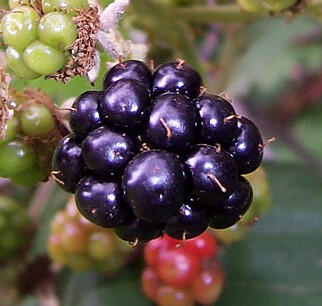


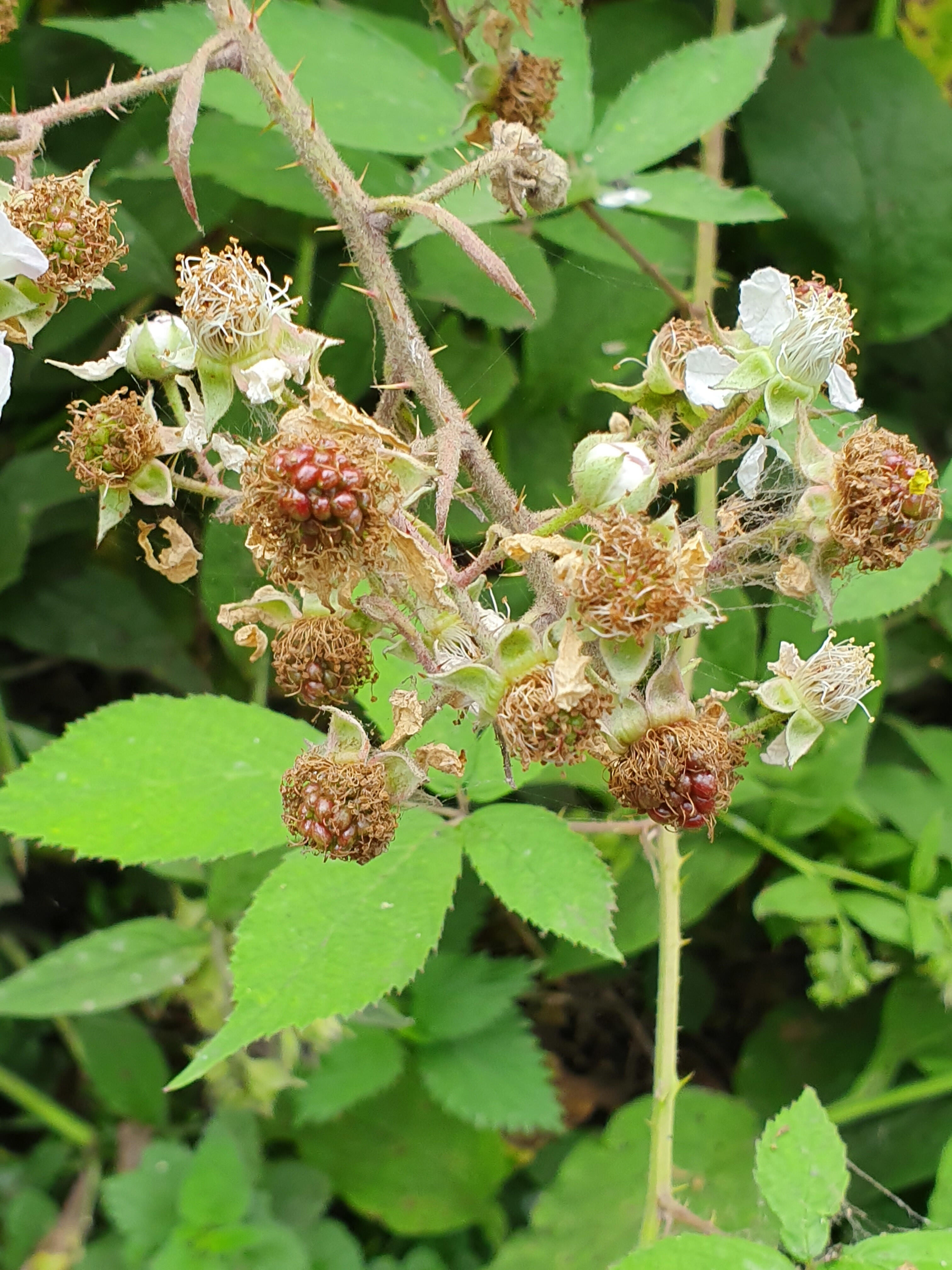


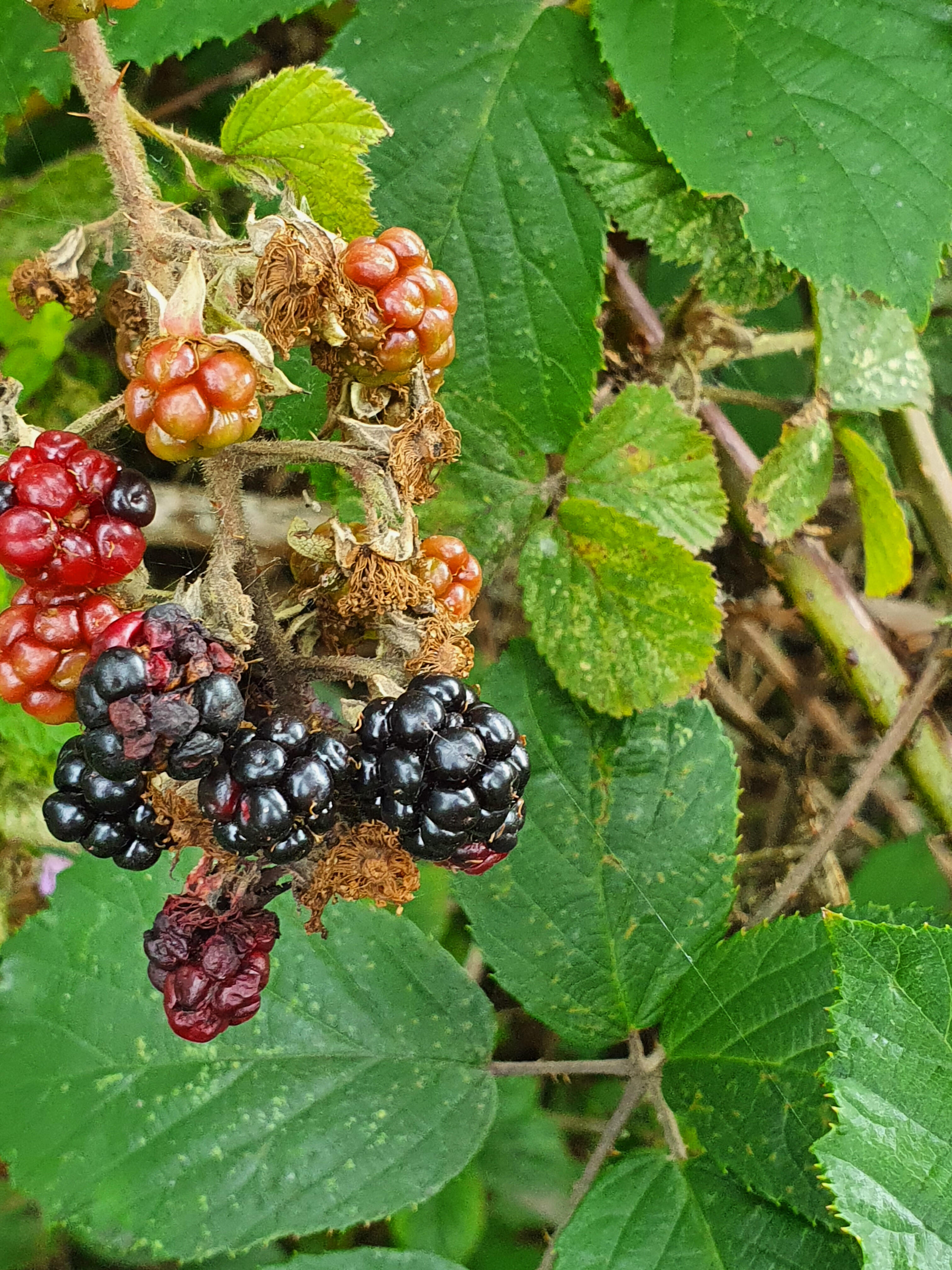
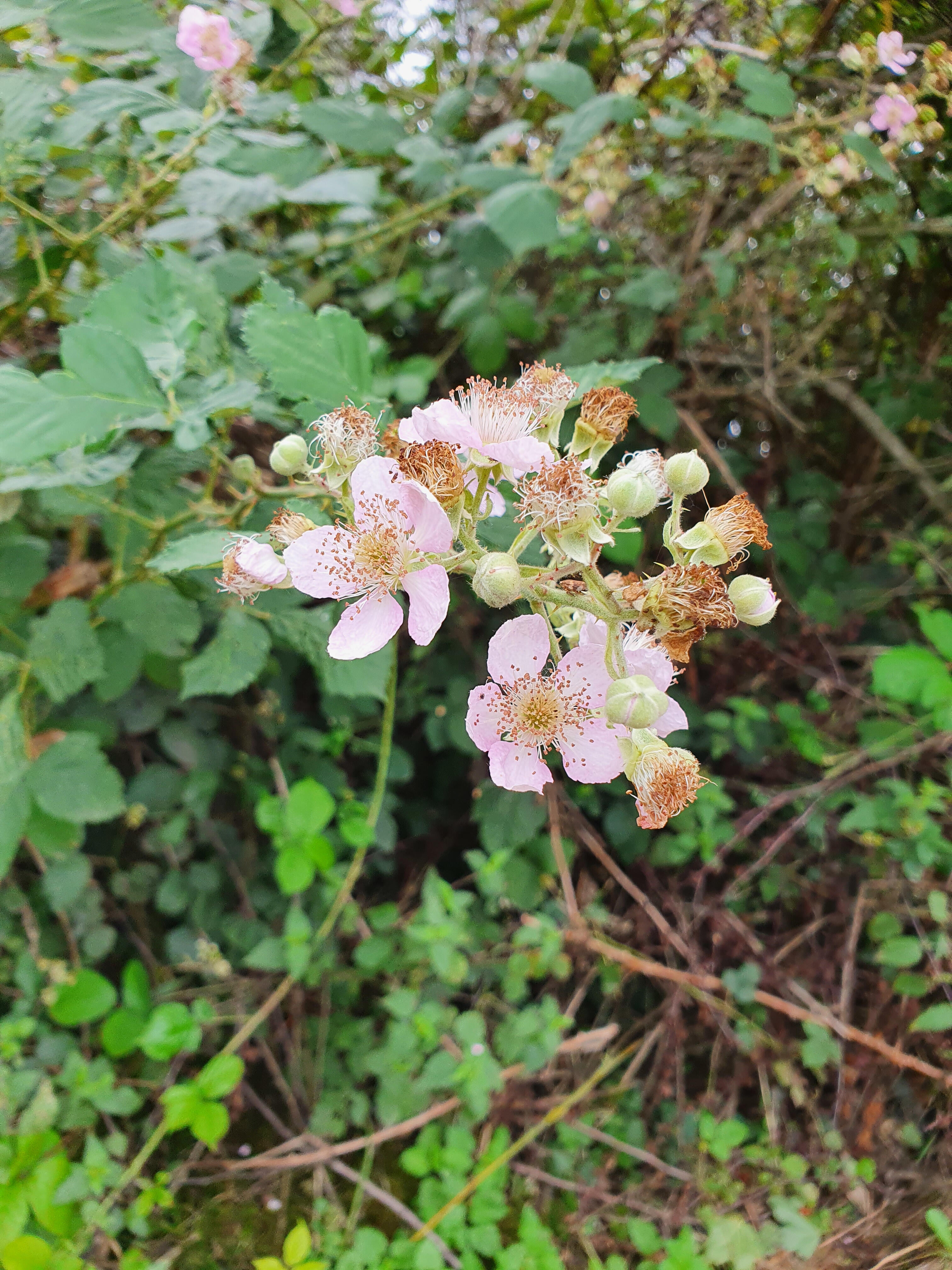
In other parts of the world, bramble is used to mean any prickly shrub. Here in the UK we use it to mean the blackberry bush, Rubus fruticosus. That isn’t where the complication ends though, Rubus fruticosus (or Rubus fruticosus agg.) is in fact a grouping of over 375 closely related microspecies of plants! The good news is that they’re all edible and we can treat them all in the same way.
Blackberry, Briar

Cap
Gills
Stem
Flesh
Leaves
The leaves are large, green, palmately compound with five or seven leaflets. The flowering stems’ leaves are smaller, with three or five leaflets.
Flowers
The flowers are produced in late spring and early summer on short racemes on the tips of the flowering stems. Each flower is about 2–3 cm in diameter, with five white or pale pink petals. Bramble does not flower in the first year.
Seeds
Stem
The stem has a woody core & can grow up to 2cm thick. Usually covered in sharp, curved prickles. In the 1st year the stem grows quickly producing many leaves but no flowers. In the 2nd year the main stem doesn’t grow any longer and produces flowering side stems.
Fruit
The fruit, or drupelets grow in bunches around a central “core” and together they form an aggregate fruit, or what we call the blackberry. They appear and ripen to nearly black in the autumn after pollination.
Taste
Sometimes sweet and sometimes sour, best when it's a little of both
Frequency & law
Very, very common and not restricted.
The nuanced bit
The blackberry is actually a group of over 375 closely related microspecies native to Europe, north-western Africa, western and central Asia and north and south America.

Possible confusion
As mentioned above, there are hundreds of micro species of R. fruticosus so you may find a little variation in looks, but they are all edible.

Habitat
There aren’t many habitats that Bramble doesn’t like. Hedgerows, woodland, meadows, especially common on waste ground.

How to harvest
The leaves are usually out from early spring and you can find those tasty leaf buds most of the year if you look hard enough. The fruit can be picked from August to October.

Cooking tips
Fruit – Can be eaten raw or cooked and there can’t be many people that haven’t tried it. Leaves – This is one of my favourite foraging snacks. When the leaf buds are just opened, but the leaves are not yet spread out. Shoots – The very young shoots can be harvested early in the spring.

Other uses
A blue/purple dye can be extracted from the fruit. The stems can be used for their fibres to make twine.

Folklore
In the UK it’s traditional not to pick blackberries after Old Michaelmas day (11 October) as the Devil will have fouled on them. In Ireland a similar story tells of the Pooka urinating on the berries at Halloween.
A 3-hour session with a foraging expert, including ID work, finding and tasting wild ingredients, and a wild snack in Lymm
A 3-hour session with a foraging expert, including ID work, finding and tasting wild ingredients, and a wild snack at Meersbrook Park, Sheffield


