
Fungi

Edible

Autumn

Summer

Back To Foraging Guide
Beefsteak Fungus
Fistulina hepatica
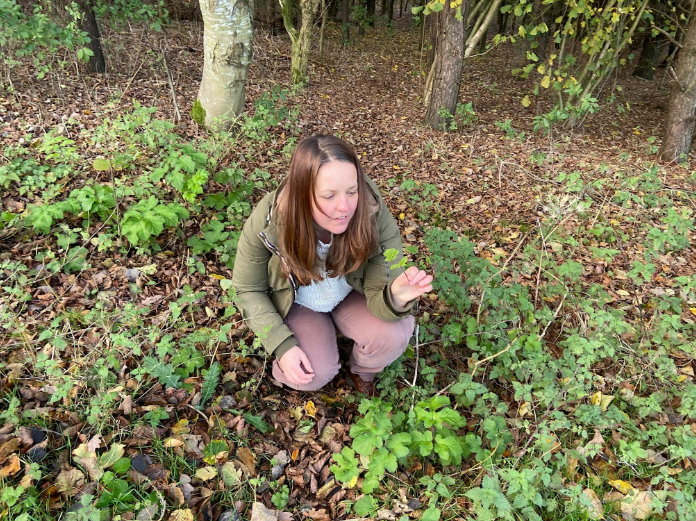
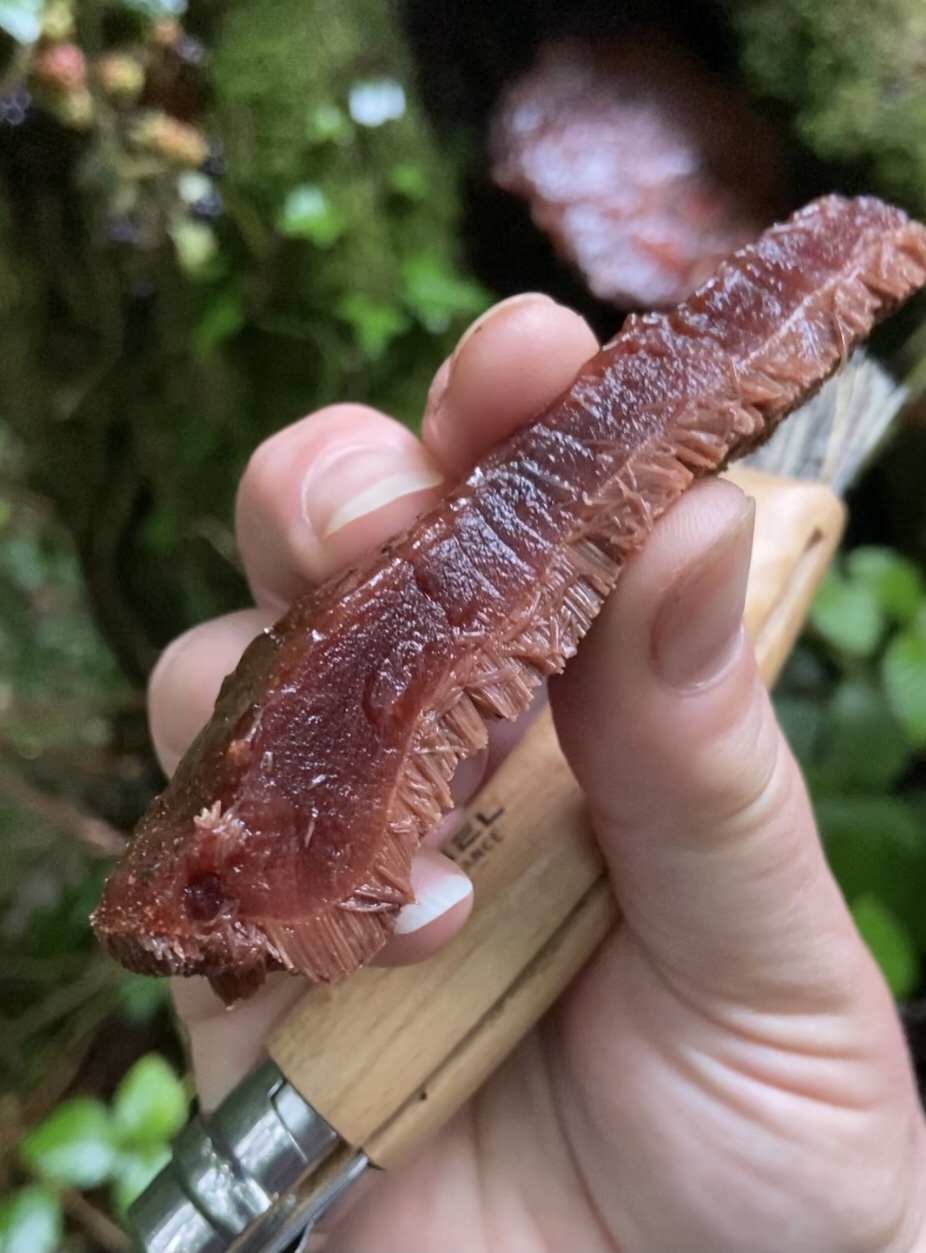
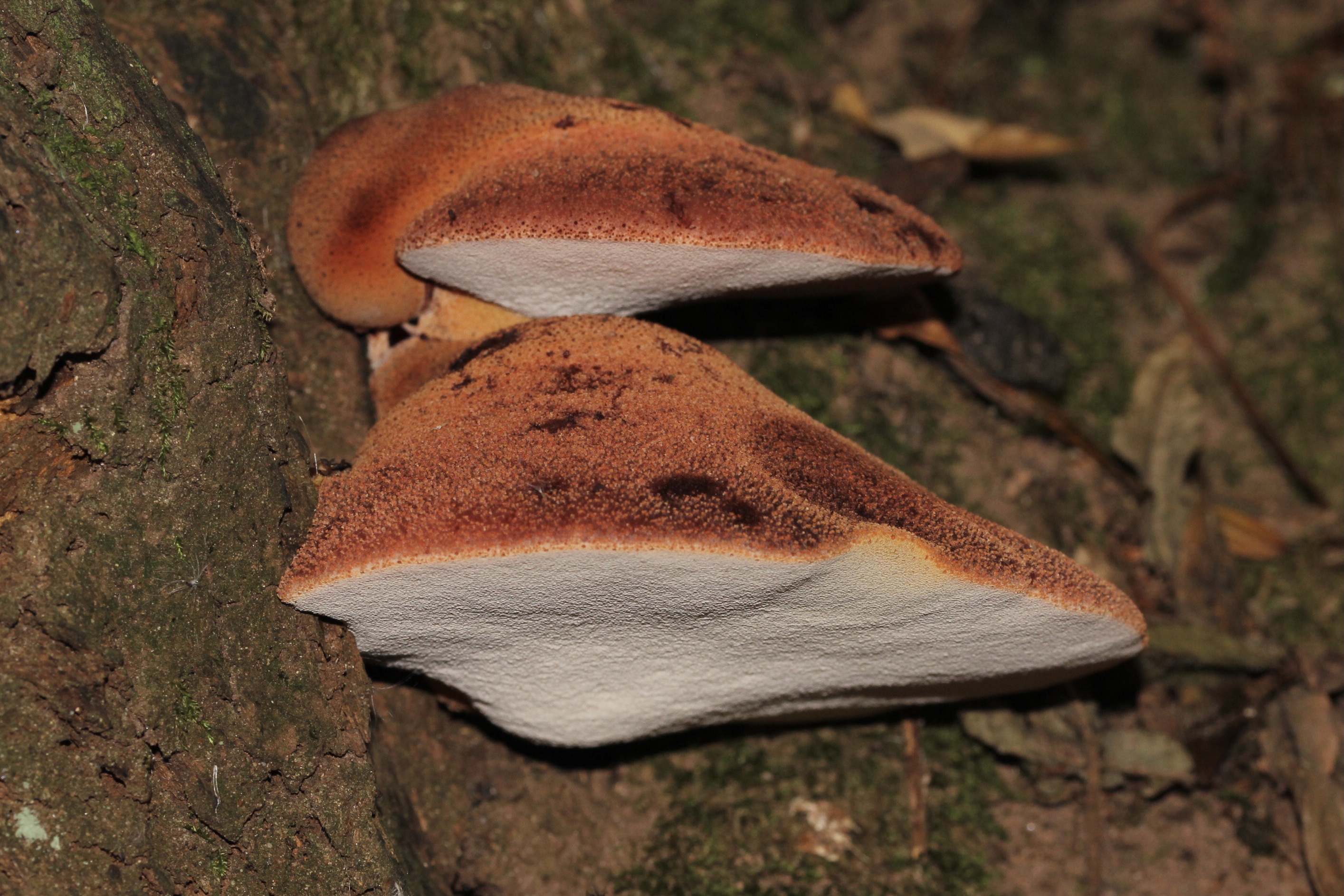
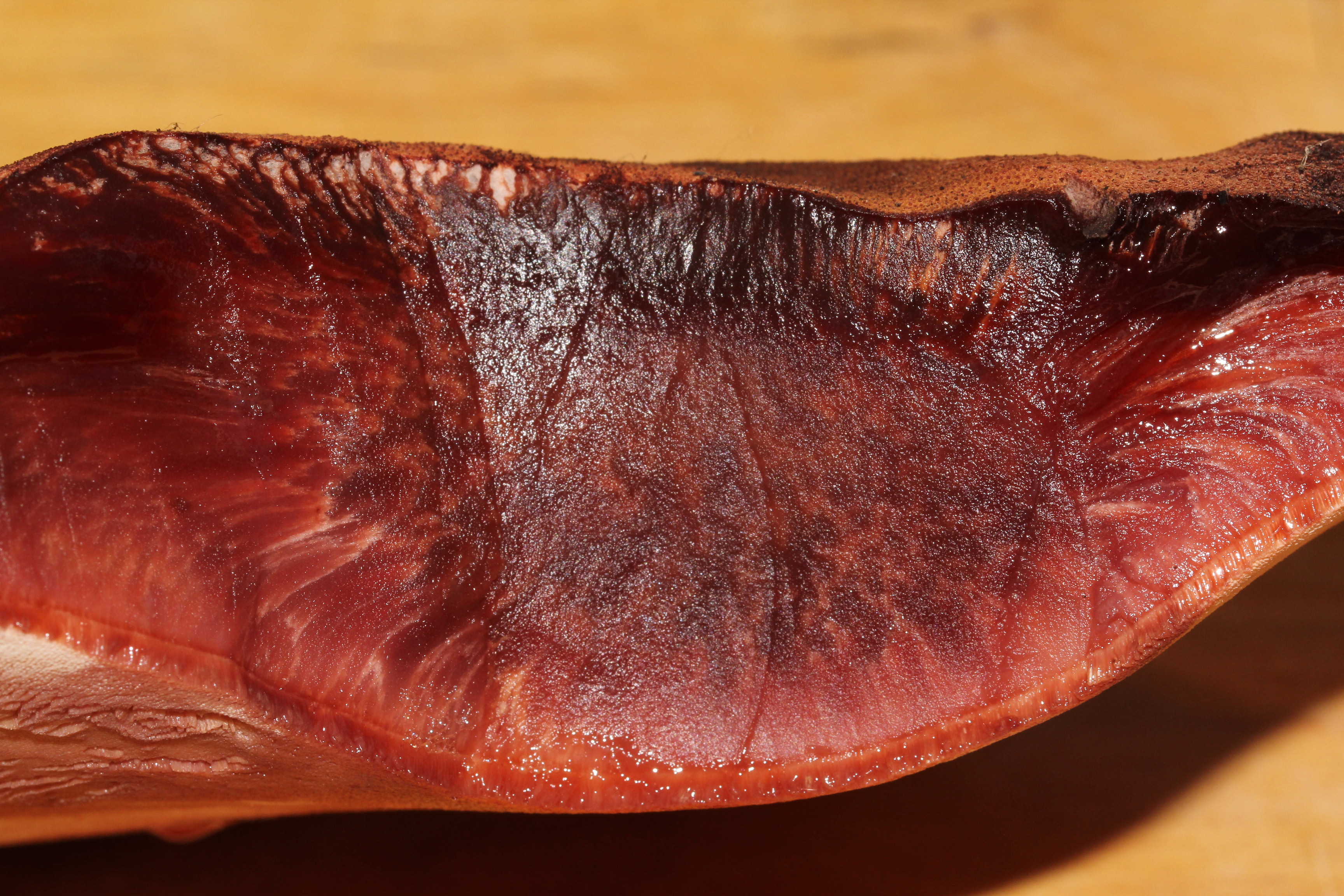


A common bracket fungus found in late summer/autumn, as the name suggests it resembles meat and acts as a great substitute in a dish.
Ox Tongue

Cap
Semicircular red/pink and sticky to touch
Gills
Cream pores when young darkening with age
Stem
Flesh
Looks like a tongue when young, mature specimens resemble beef
Leaves
Flowers
Seeds
Stem
Fruit
Taste
Slightly acidic when raw, fairly tasteless when cooked.
Frequency & law
Common
The nuanced bit
Beefsteak fungus is know to cause brown rot in oaks, colouring the wood a rich brown colour which is coveted by furniture makers.

Possible confusion
There is not really anything that looks much like a beefsteak fungus. The Shaggy Bracket (Inonotus hispidus) is vaguely similar but as the name suggests it has a furry “shaggy” topside, is yellow in colour and does not resemble meat when sliced.

Habitat
Grows mainly on old oak trees, sometimes found on sweet chestnut.

How to harvest
The easiest way to harvest is to slice off the tree with a foraging knife.

Cooking tips
Can be eaten raw, so is a great addition to a salad, or cooked and added as a meat substitute. Cooking does greatly reduce the flavour, so seasoning or adding to a flavoured dish is best.

Other uses

Folklore
A 3-hour session with a foraging expert, including ID work, finding and tasting wild ingredients and a wild food taster in Stockport.
A 3-hour session with a foraging expert, including ID work, finding and tasting wild ingredients, and a wild snack at Low Sizergh Barn


