
Flora

Edible

Spring

Autumn

Back To Foraging Guide
Beech
Fagus sylvatica
.jpg)
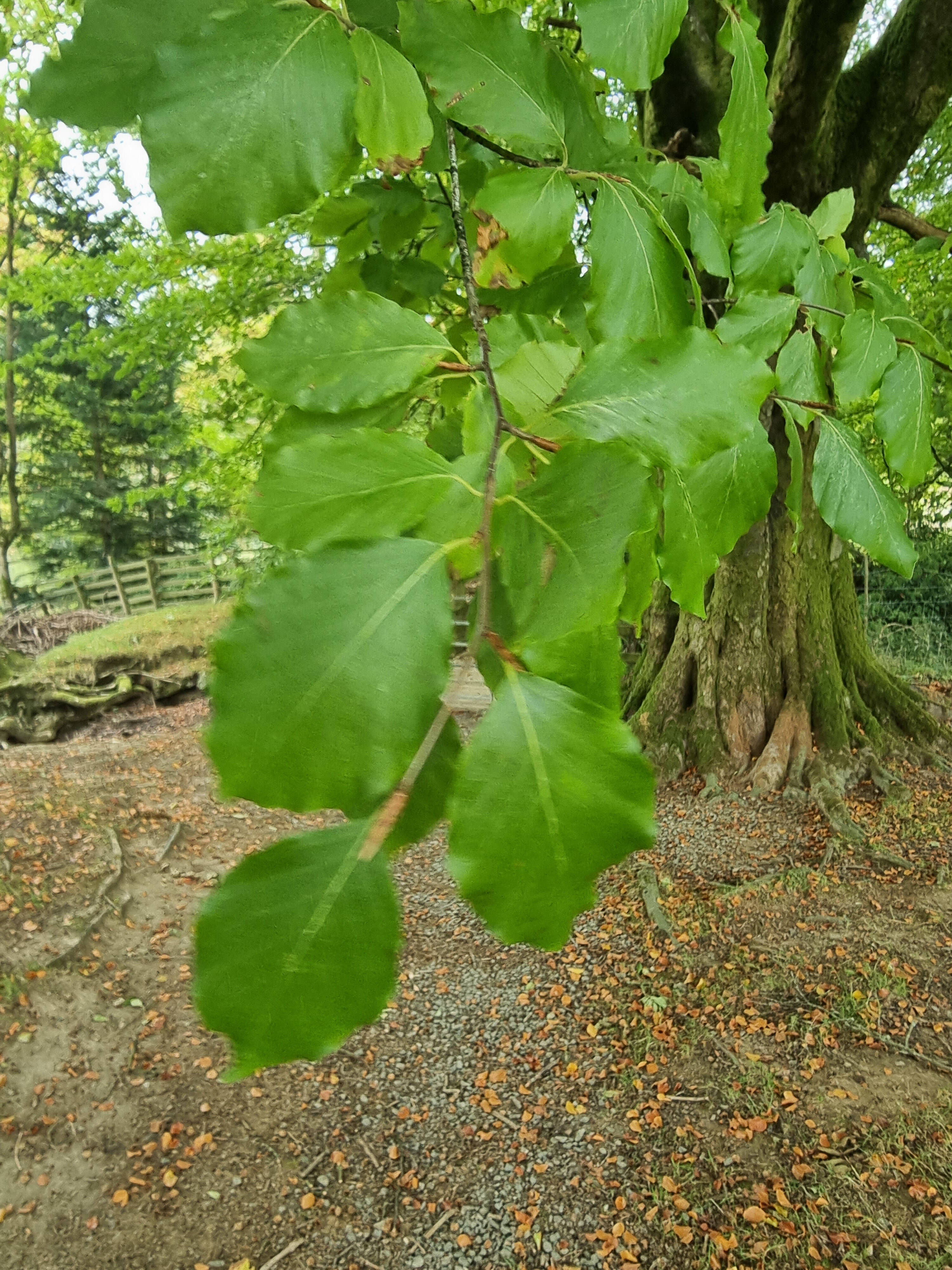
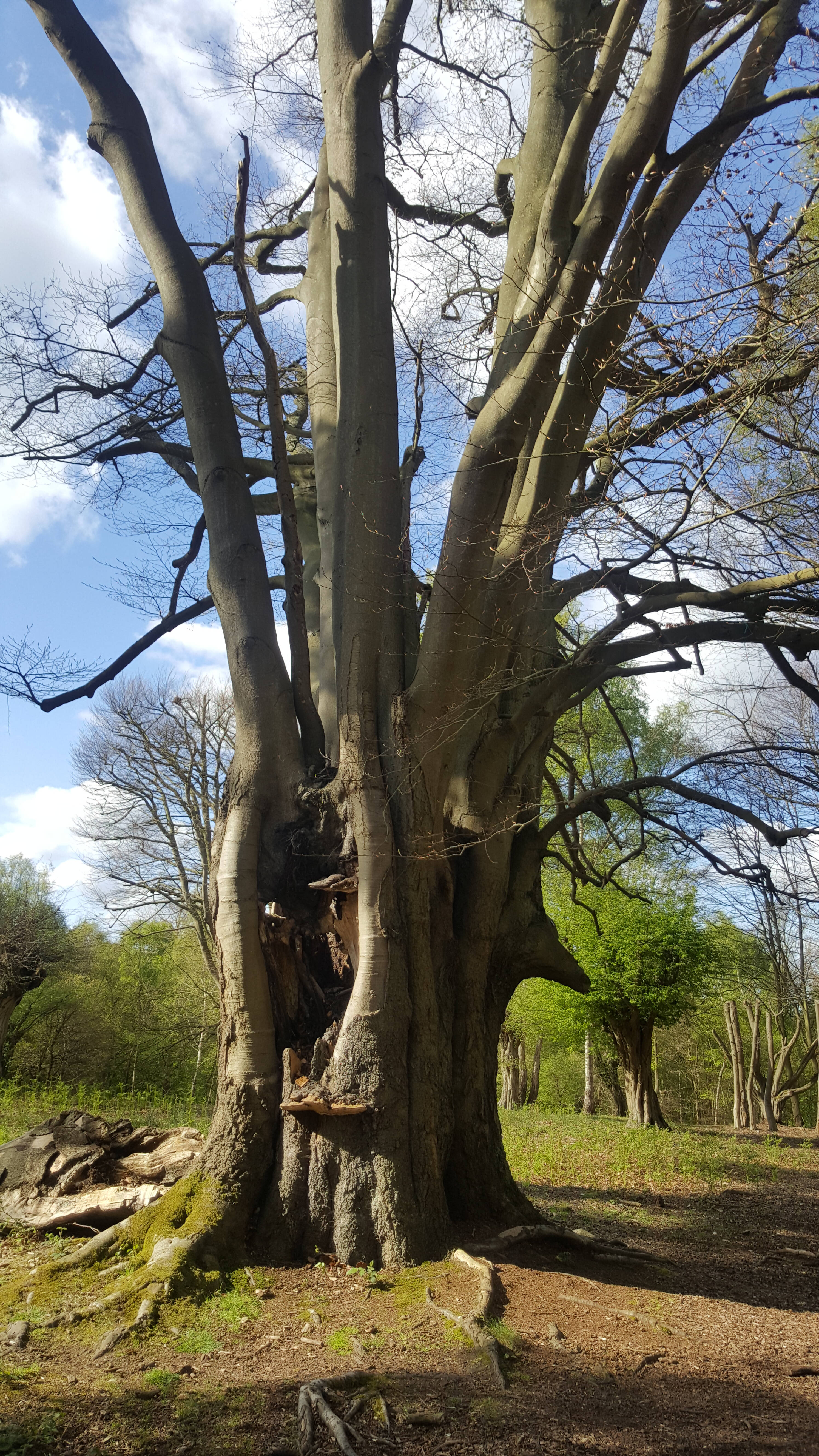


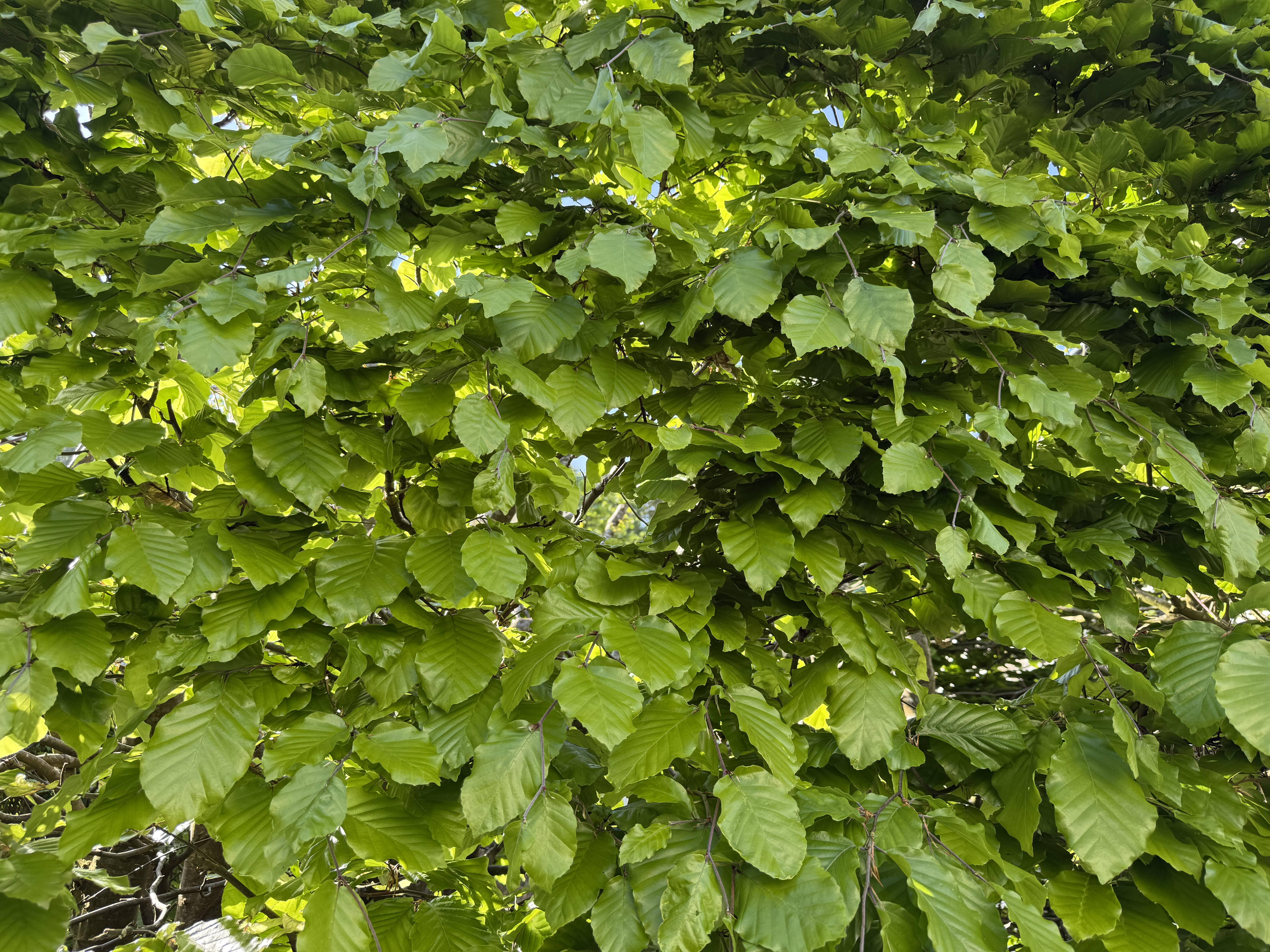
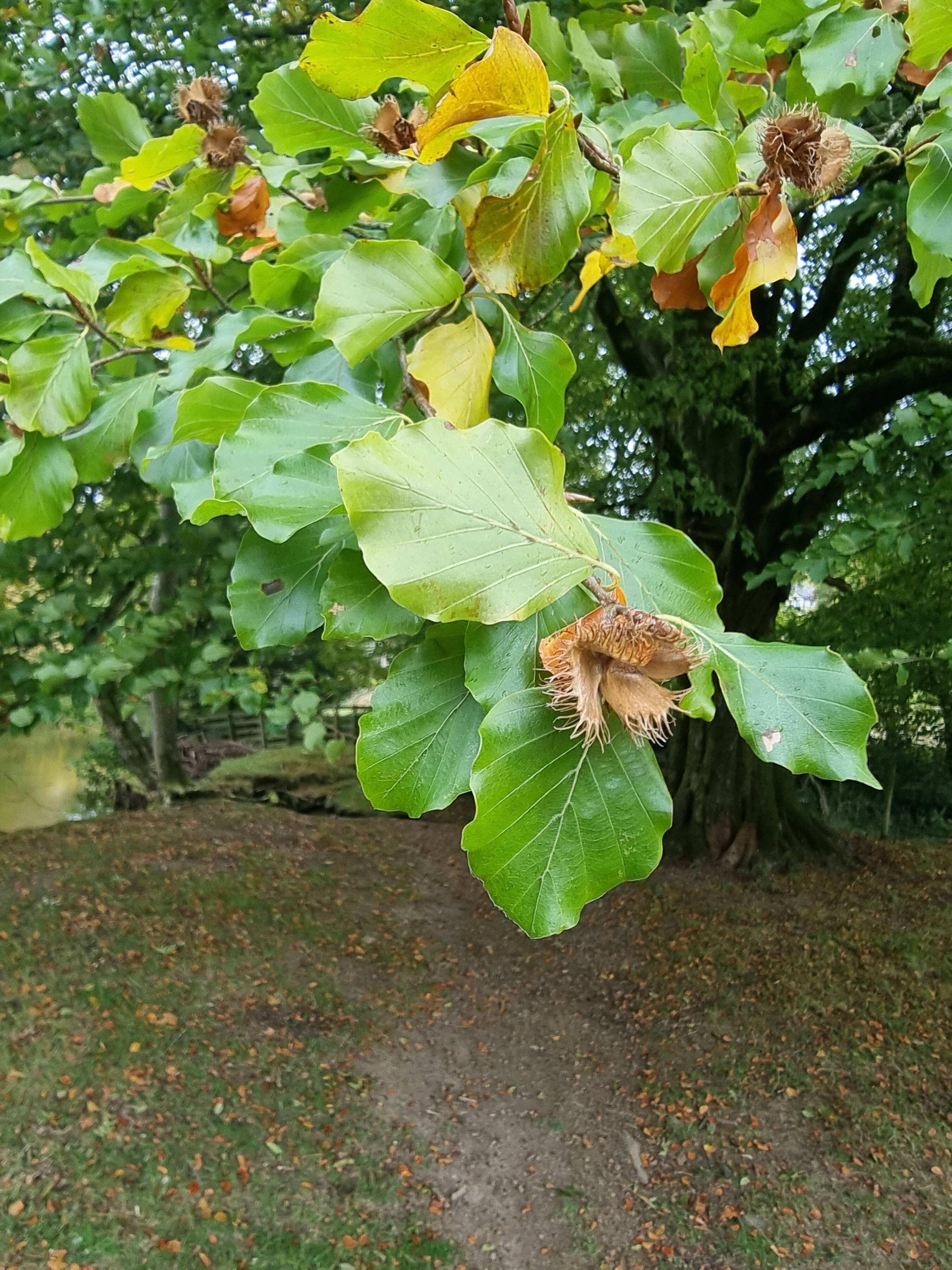
A large deciduous tree in the beech family with smooth silvery-grey bark, large leaf area, and a short trunk with low branches. Sometimes grown as a dense, decorative hedge.
European Beech, Common Beech, Widow Maker

Cap
Gills
Stem
Flesh
Leaves
The leaves are alternate, simple, and entire or with a slightly crenate margin, 5–10 cm long and 3–7 cm broad, with 6–7 veins on each side of the leaf. When crenate, there is one point at each vein tip, never any points between the veins.
Flowers
The male flowers are borne in small catkins. The female flowers produce beechnuts.
Seeds
Stem
The bark is smooth and silvery-grey, and the tree can reach up to 50 metres tall.
Fruit
Small triangular nuts 15–20 mm long and 7–10 mm wide at the base; there are two nuts in each cupule, maturing in the autumn.
Taste
The leaves have a flavour similar to lettuce, and the nuts are similar to walnut flavour.
Frequency & law
Very common in its native range and not protected.
The nuanced bit

Possible confusion
Hornbeam can look similar but where Beech has a smooth bark, Hornbeam is fluted. Beech has long pointed leaf buds, whereas Hornbeam has short leaf buds.

Habitat
Tolerates a variety of soil types, but requires a humid atmosphere and well-drained soil. Tolerates rigorous winter cold, but is sensitive to spring frost. In the woodlands of southern Britain, beech is dominant over oak and elm south of a line from about north Suffolk across to Cardigan.

How to harvest
Gather young fresh leaves in spring, and nuts in autumn.

Cooking tips
Beech leaves are edible raw when young and tender, and Beech nuts from the masts are available in the Autumn; However, they are high in tannins so should be eaten in moderation.

Other uses
The nuts can be pressed for oil and the timber is used for furniture.

Folklore
Known as the widow maker because of its low, horizontal growing branches falling on campers without warning.
A 2-hour session with a foraging expert, including ID work, finding and tasting wild ingredients in Nottingham
A 3-hour session with a foraging expert, including ID work, finding and tasting wild ingredients, and a wild snack in Heversham.


