
Flora

Edible

Spring

Summer

Autumn

Back To Foraging Guide
Alexanders
Smyrnium olusatrum
.jpg)
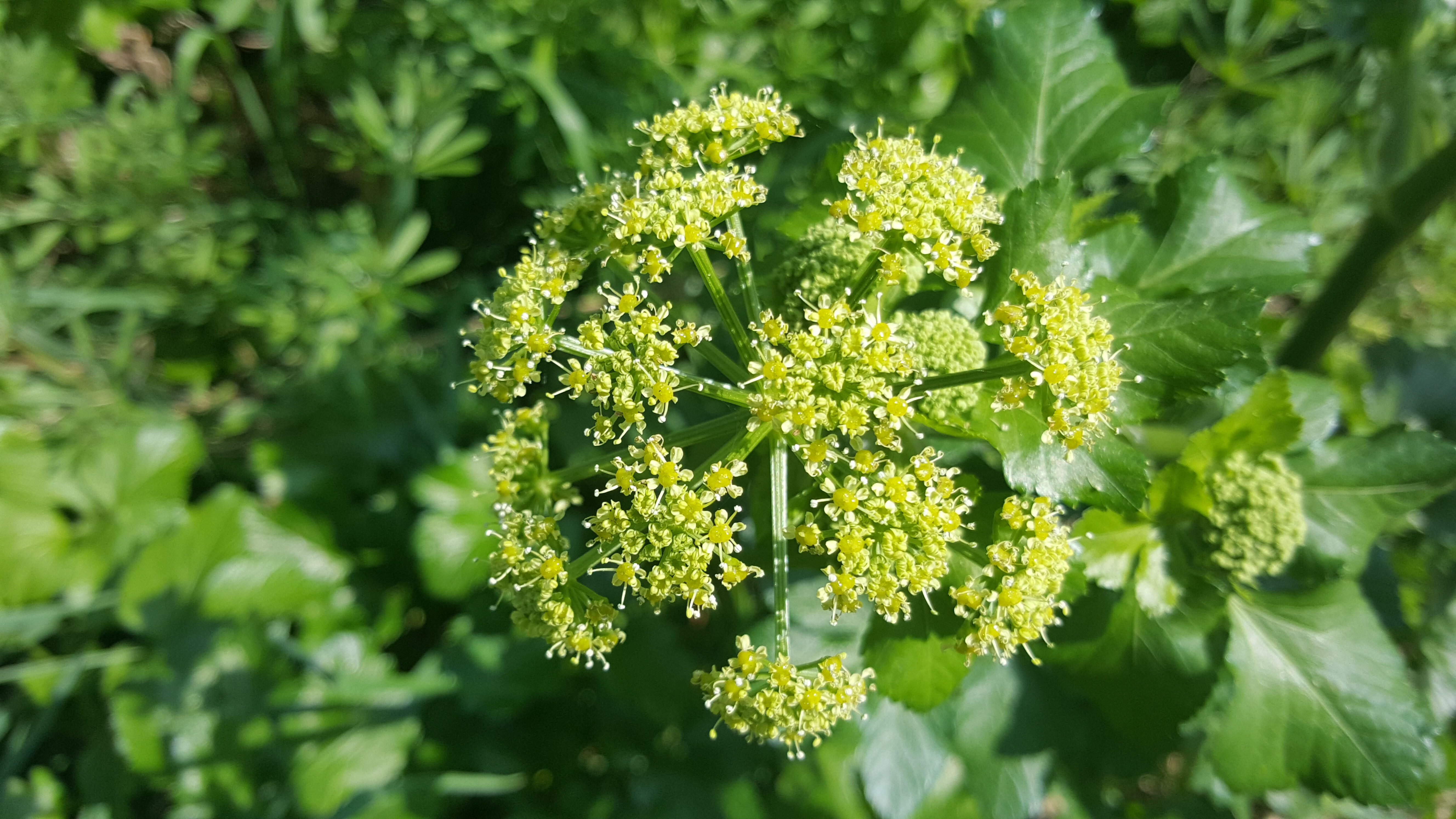
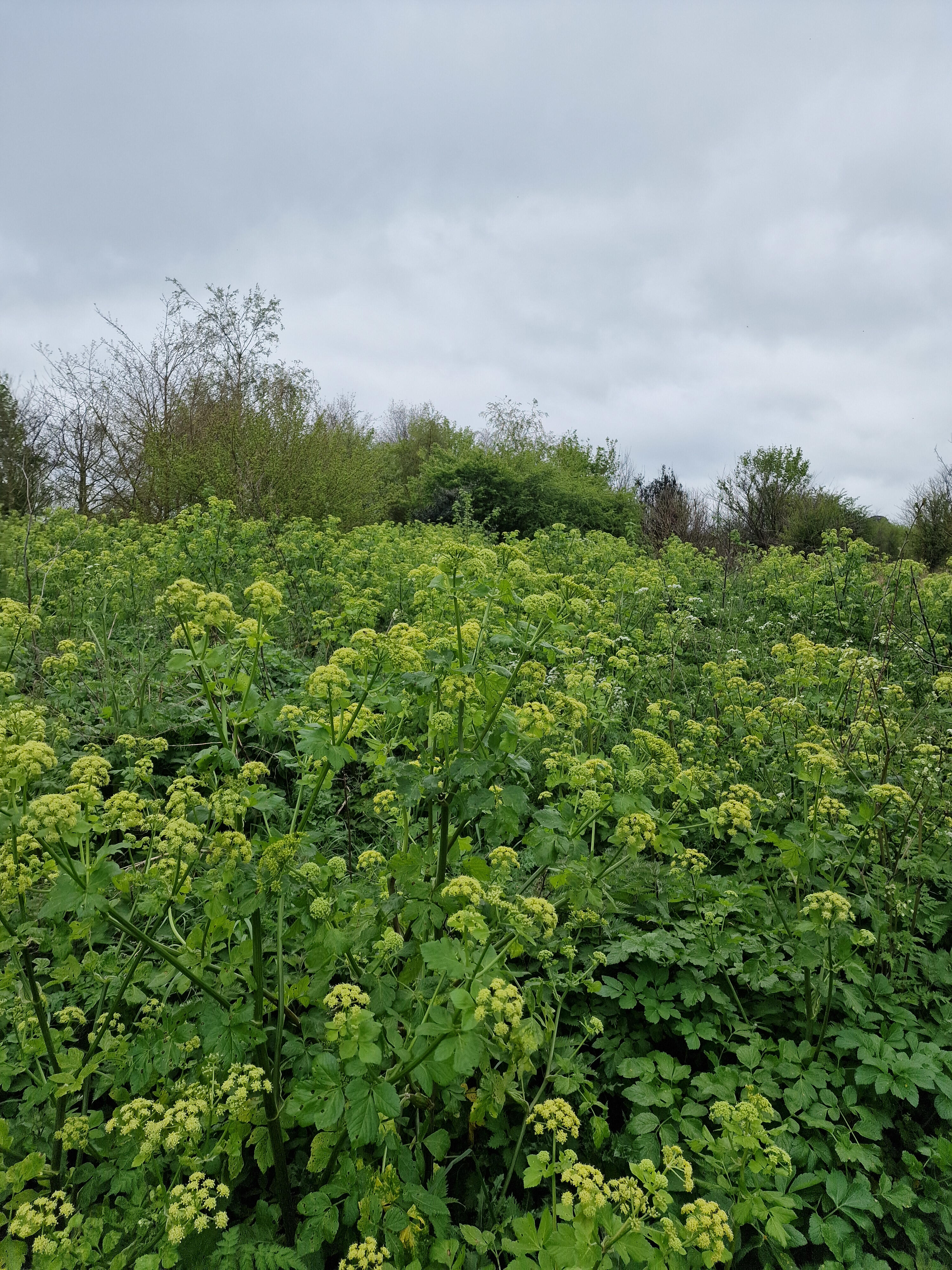
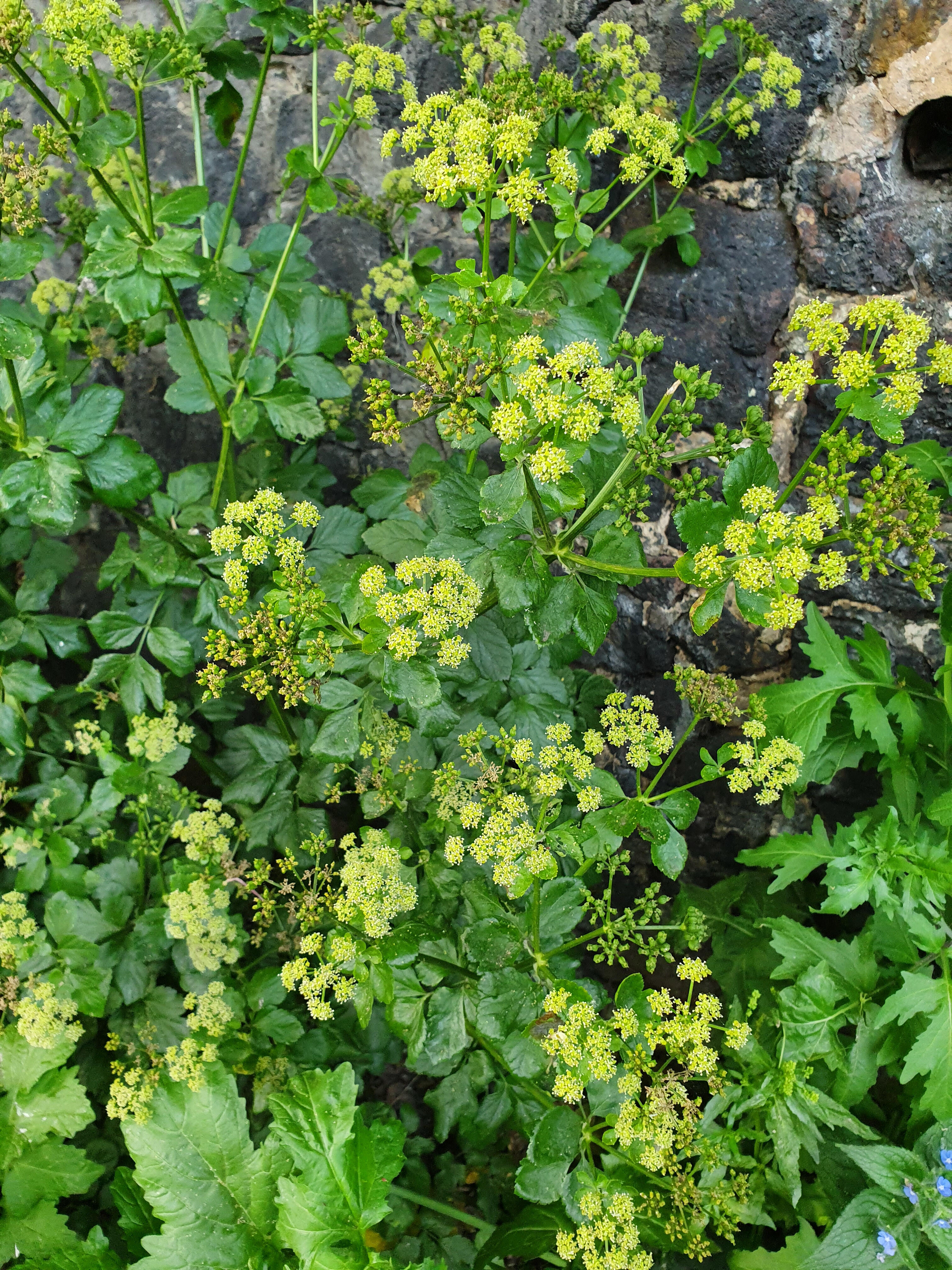
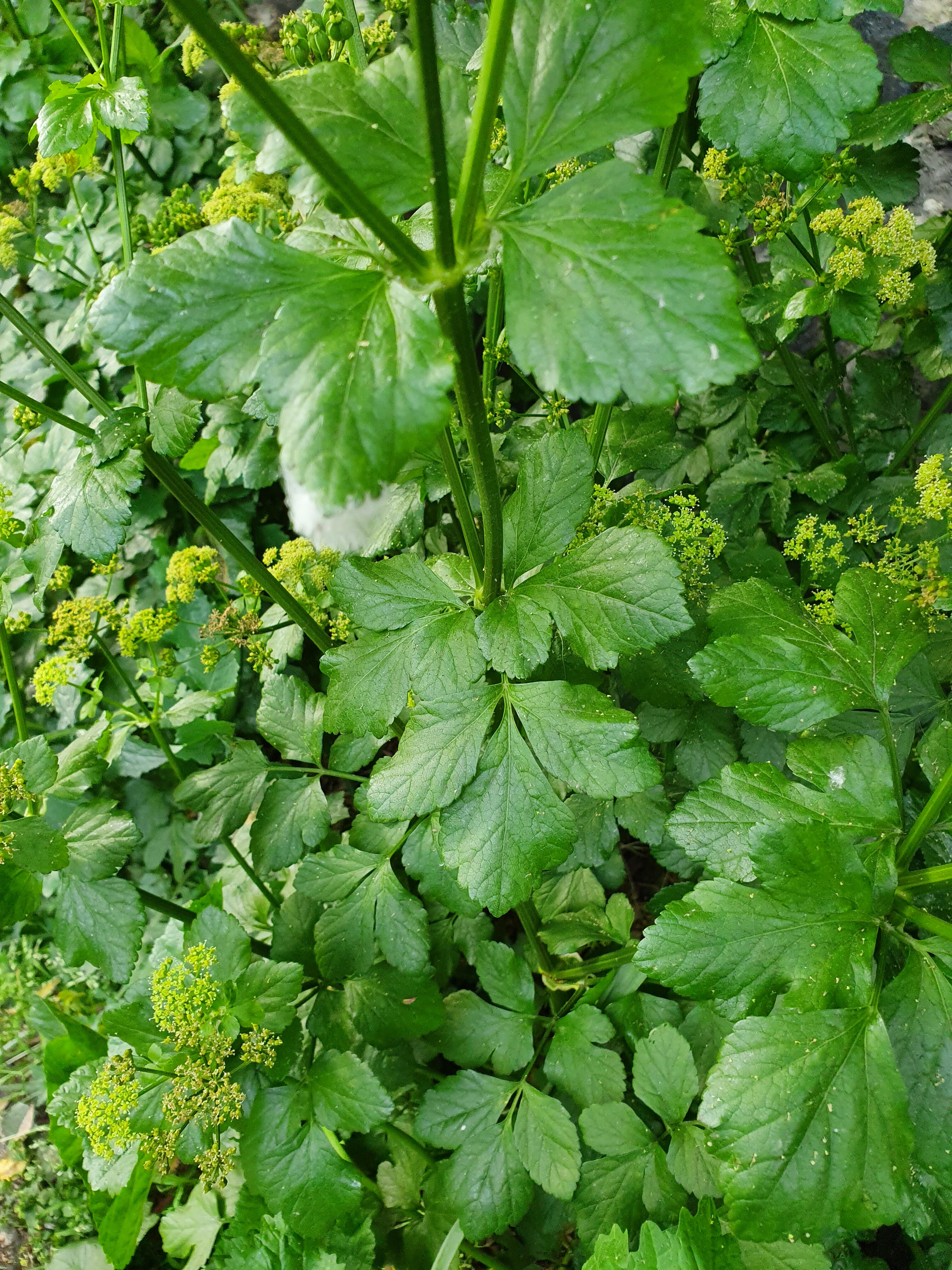
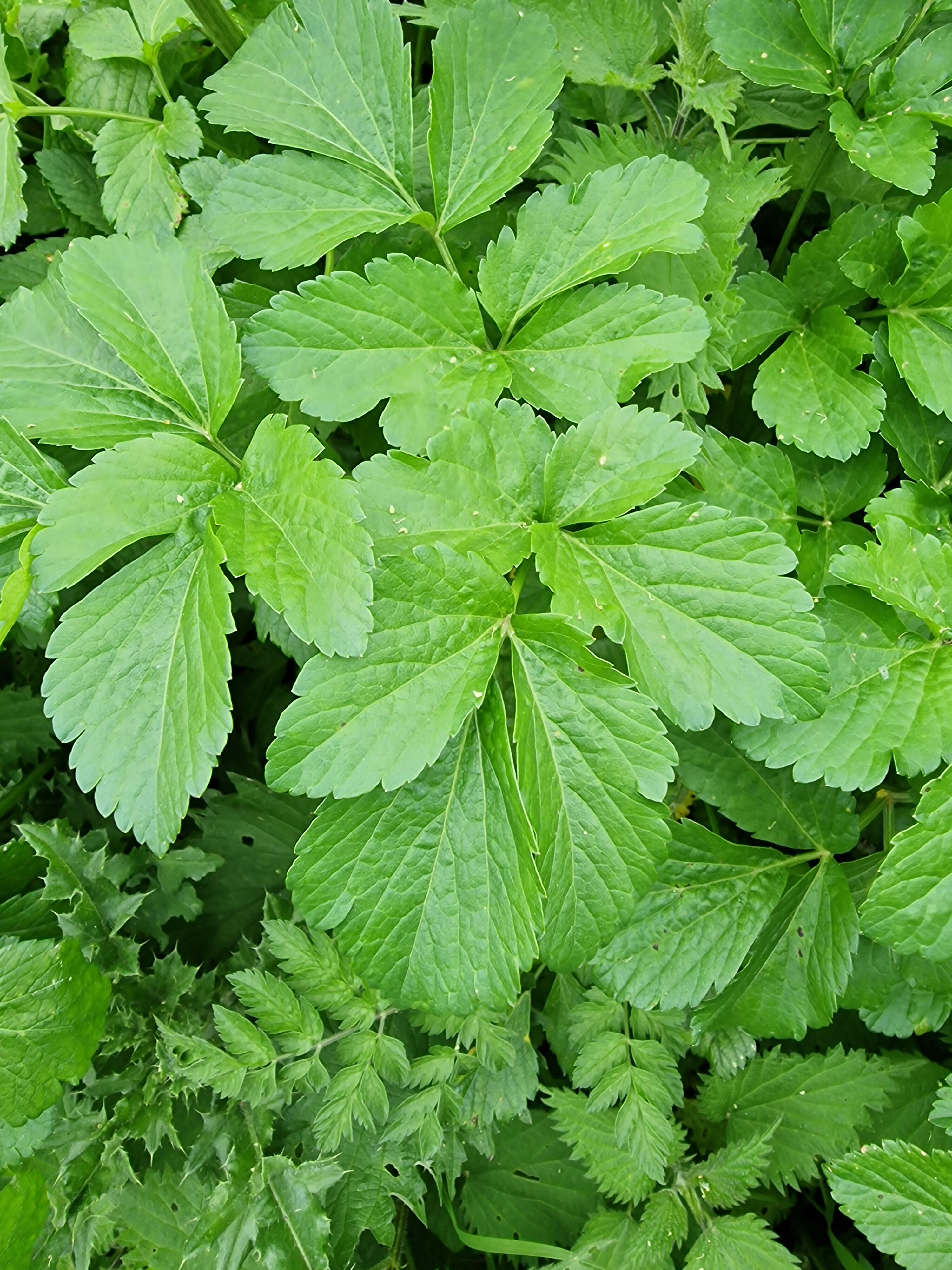
Alexanders is a stout, hairless biennial growing to 150 cm tall, with a solid stem up to 20 mm in diameter, which becomes hollow and grooved with age. Like other Apiaceae family members, Alexanders sports large umbels of flowers which attract a range of insects.
Alick, Alisanders, Allsander, Black lovage, Hell root, Horse parsley, Skeet, Skit, Smyrnium

Cap
Gills
Stem
Flesh
Leaves
The leaves are glossy, bright green to darker olive. Ovate and bluntly toothed (occasionally with tiny white tips to the teeth), arranged in groups of three at the end of the leaf stalk (trifoliate). The stem leaves are arranged in a spiral.
Flowers
Found as terminal or in the leaf axils. They are arranged in umbels, 6 to 7 cm in diameter. Each inflorescence has multiple bunches (umblets), each with 10 to 20 flowers. Each flower is tiny, with 5 yellow-green petals, 5 green sepals, and 5 stamens. It flowers from April to June.
Seeds
Stem
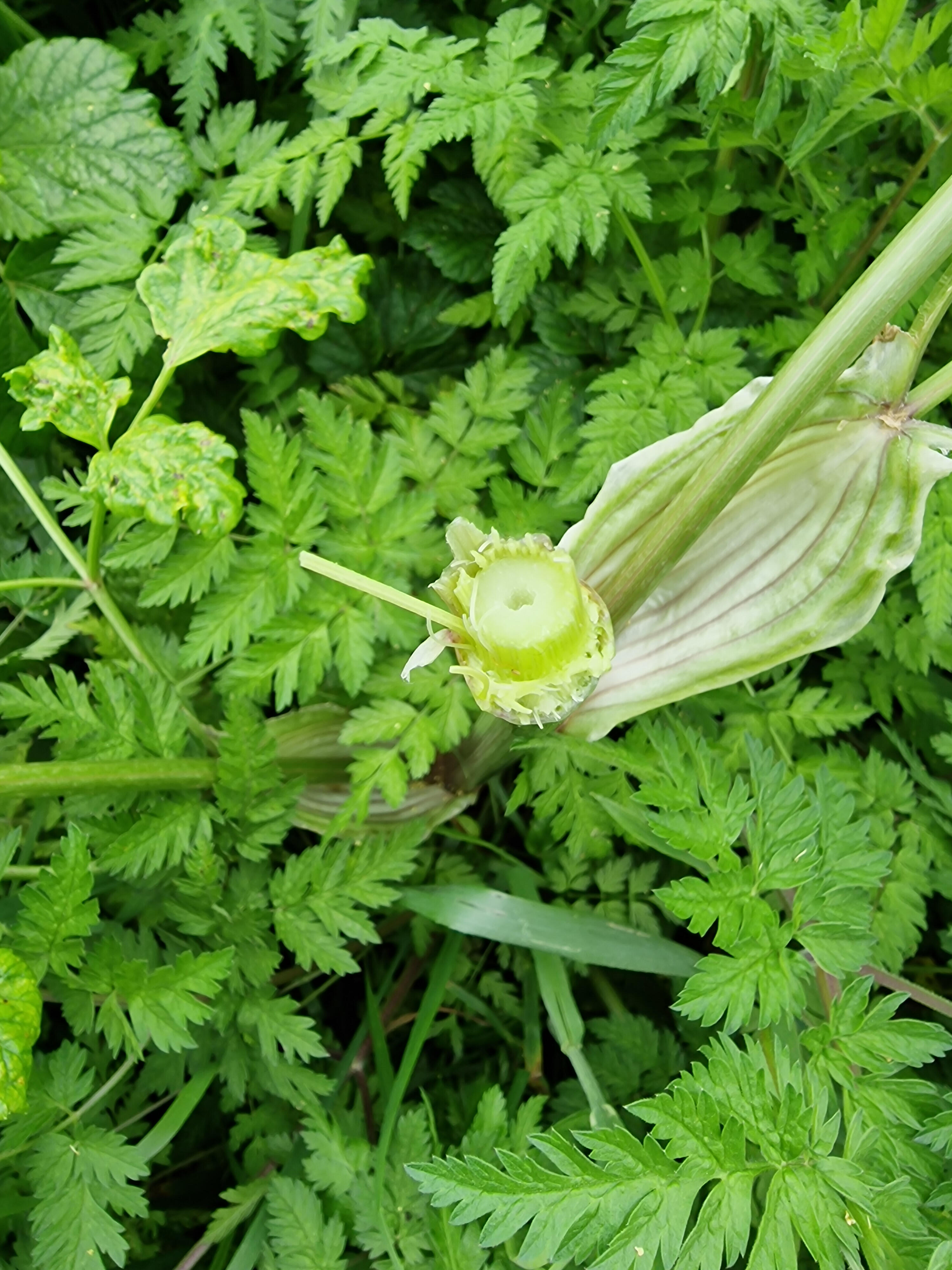
Thick, succulent and resembling a rounded celery stalk. The base of the leaf stem is shrouded with a papery sheath where it joins the main stem.
Fruit
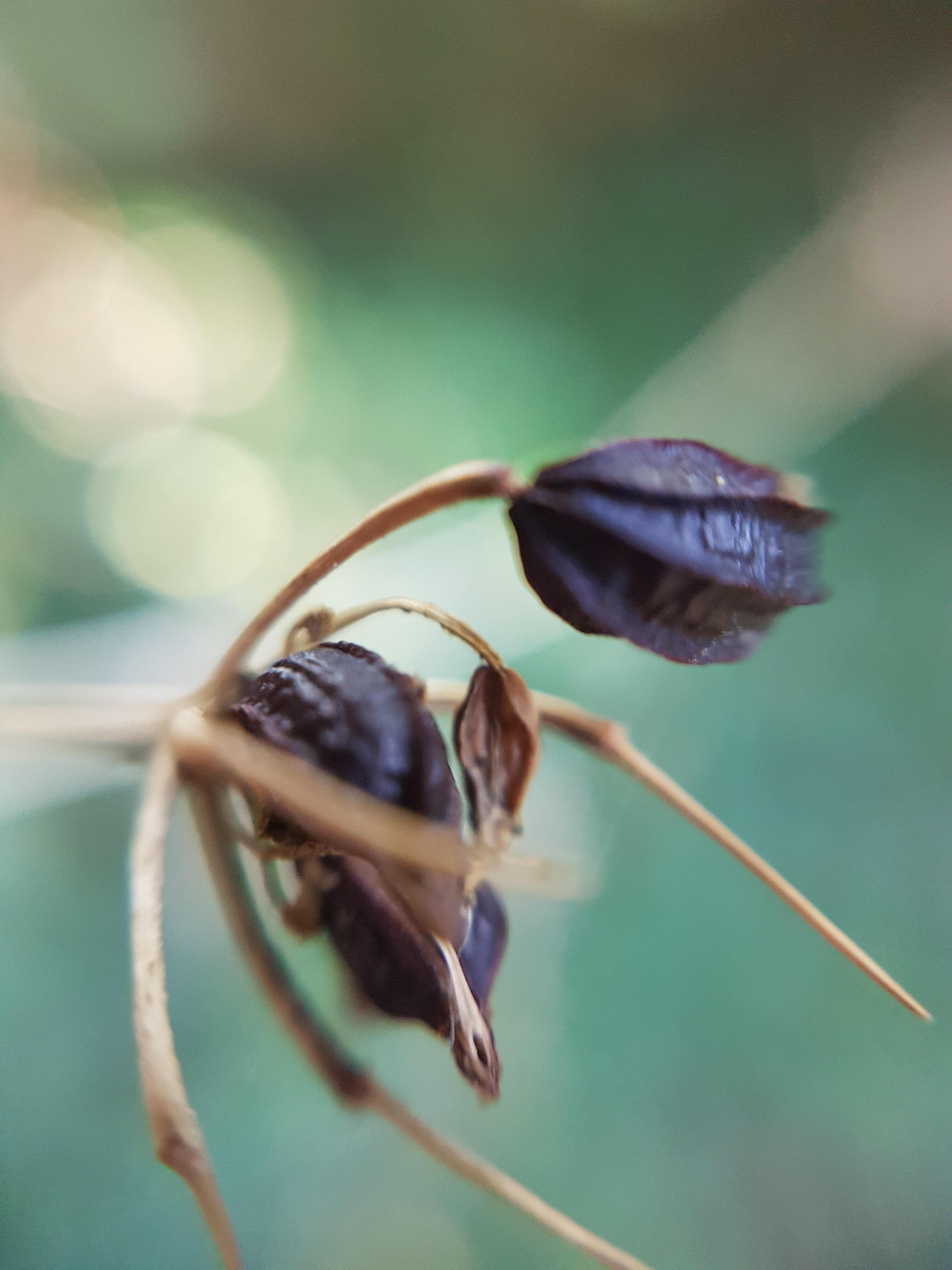
The globular fruit is green, ridged and ripens to a blackish colour. Each fruit can split into 2 seed pods, and a single plant can produce from 3000 to 9000 seeds per year.
Taste
A very strong perfume-like flavour, slightly reminiscent of celery.
Frequency & law
Common and no restrictions.
The nuanced bit
It is a member of the dangerous Apiaceae family, but this is one that is easy to recognise and so should pose no danger.

Possible confusion
Other Apiaceae family members – although only superficially, so nothing to worry about. Wild Angelica can look similar.

Habitat
Hedges and waste places, often near the sea although found inland more and more nowadays, but still a lowland plant. Europe to Asia. Naturalised in Britain, although more rare the further north you go. Has been reported in Australia and New Zealand.

How to harvest
The plant comes into growth in the autumn and the leaves are often available throughout the winter.

Cooking tips
Cooking mellows the somewhat overpowering perfume flavour. Stems can be slicecooked to a crunchy, crisp texture.

Other uses
Leaves and young shoots - raw in salads or cooked in soups and stews. Often available throughout winter, with a strong celery-like flavour; can be blanched before use. Leafy seedlings work as a parsley substitute.

Folklore
The earliest macrofossil record in the UK was found at a Roman site Monmouth, so it is assumed that the Romans brought it with them.


With a taste between celery and parsley but more sophisticated, young Alexander leaves can be roughly chopped and used as a fragrant garnish


Served with New Potatoes, Fennel and Bistort Leaf Salad, and a Garlic Mustard Mayo
A 3-hour session with a foraging expert, including ID work, finding and tasting wild ingredients, and a wild snack at The Tram, Kendal.
A 3-hour session with a foraging expert, including ID work, finding and tasting wild ingredients and a wild food taster in Stockport.


