
Flora

Inedible

Back To Foraging Guide
Alder
Alnus glutinosa
.jpg)
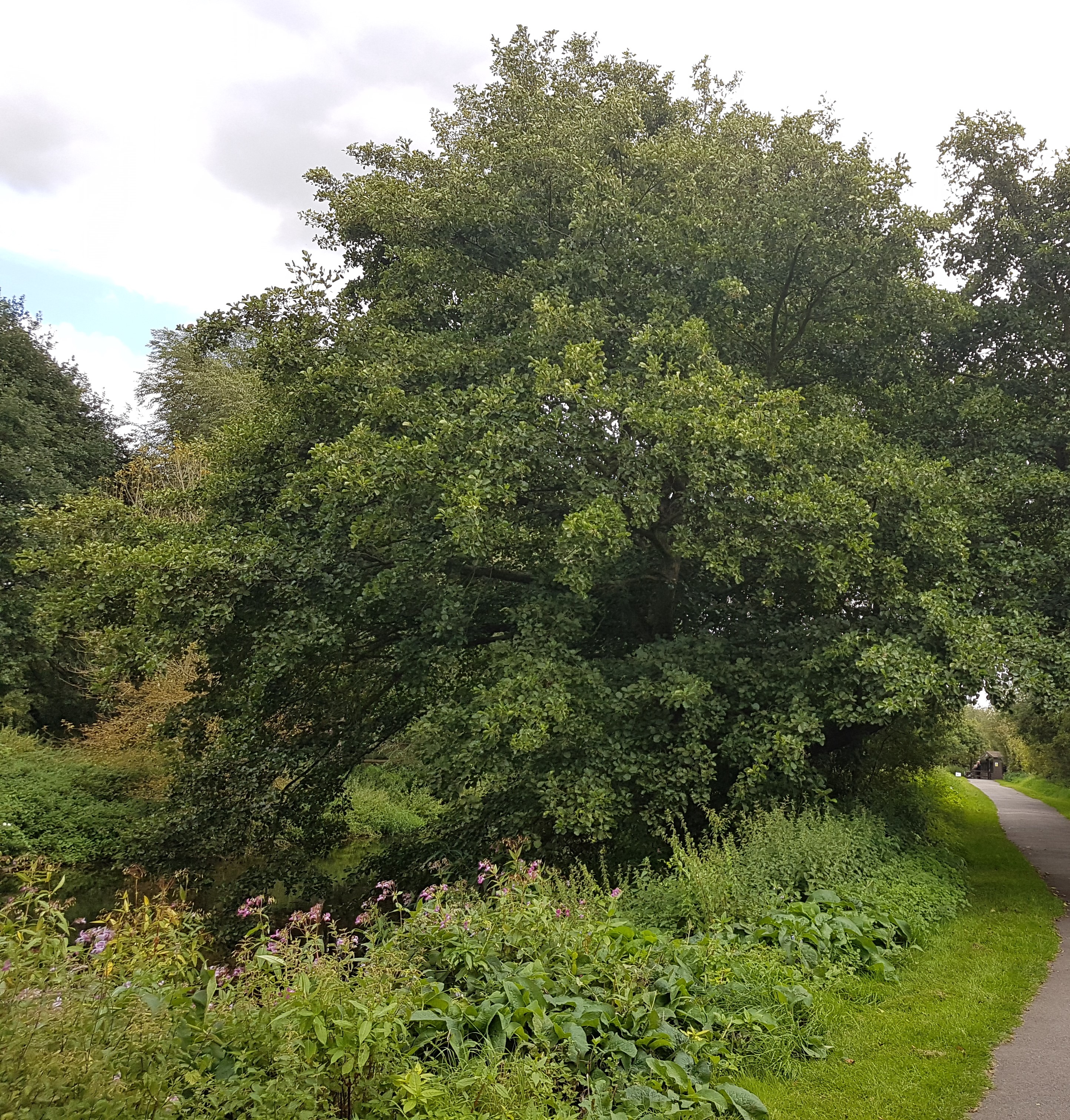


Alder is an upright, straight-trunked tree. Spire shaped when young, broadening with age, it can live up to 60 years and can grow to 30 meters. Young trees have an upright habit of growth with a main axial stem but older trees develop an arched crown with crooked branches.
Black Alder, European Alder

Cap
Gills
Stem
Flesh
Leaves
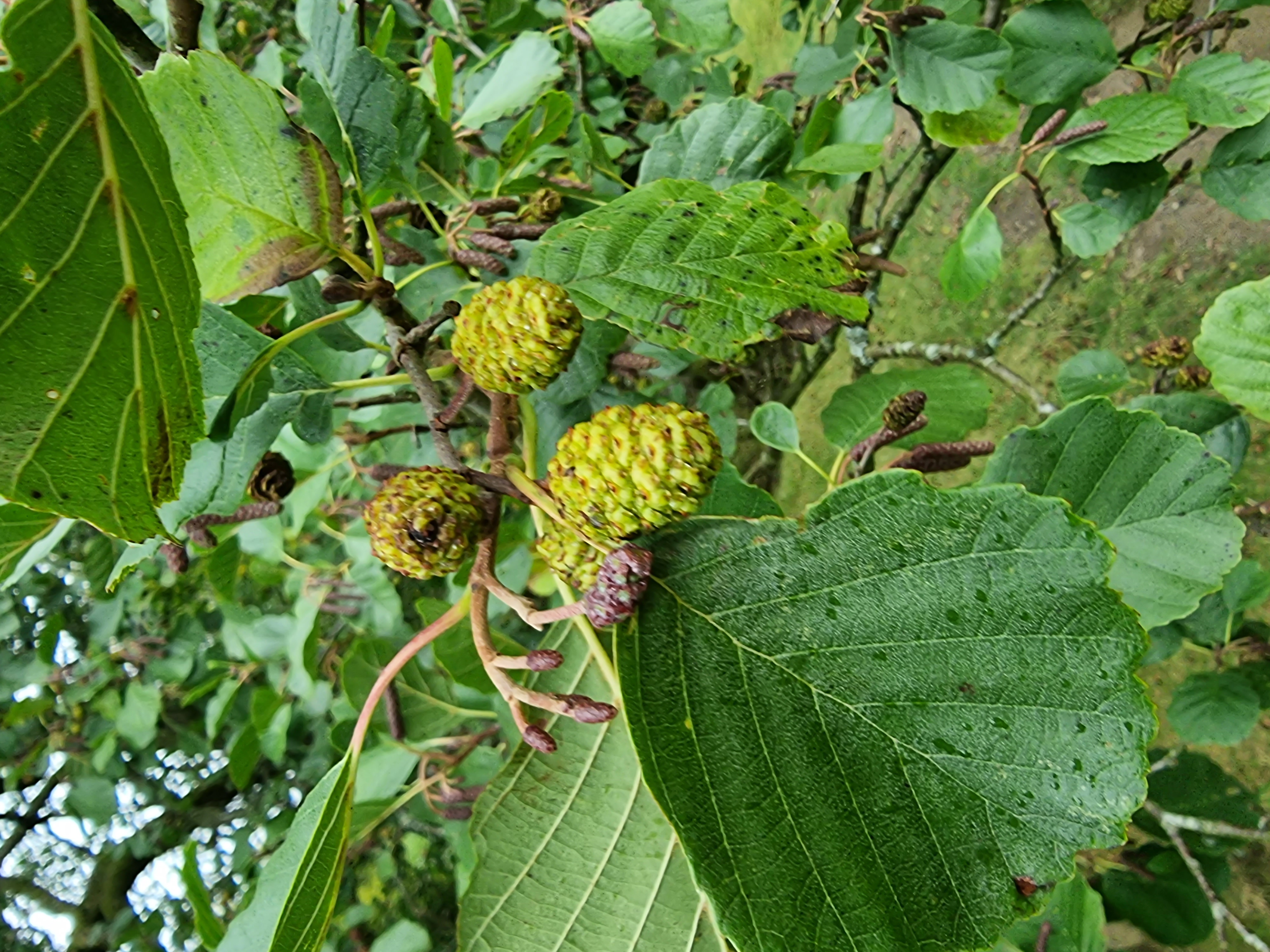
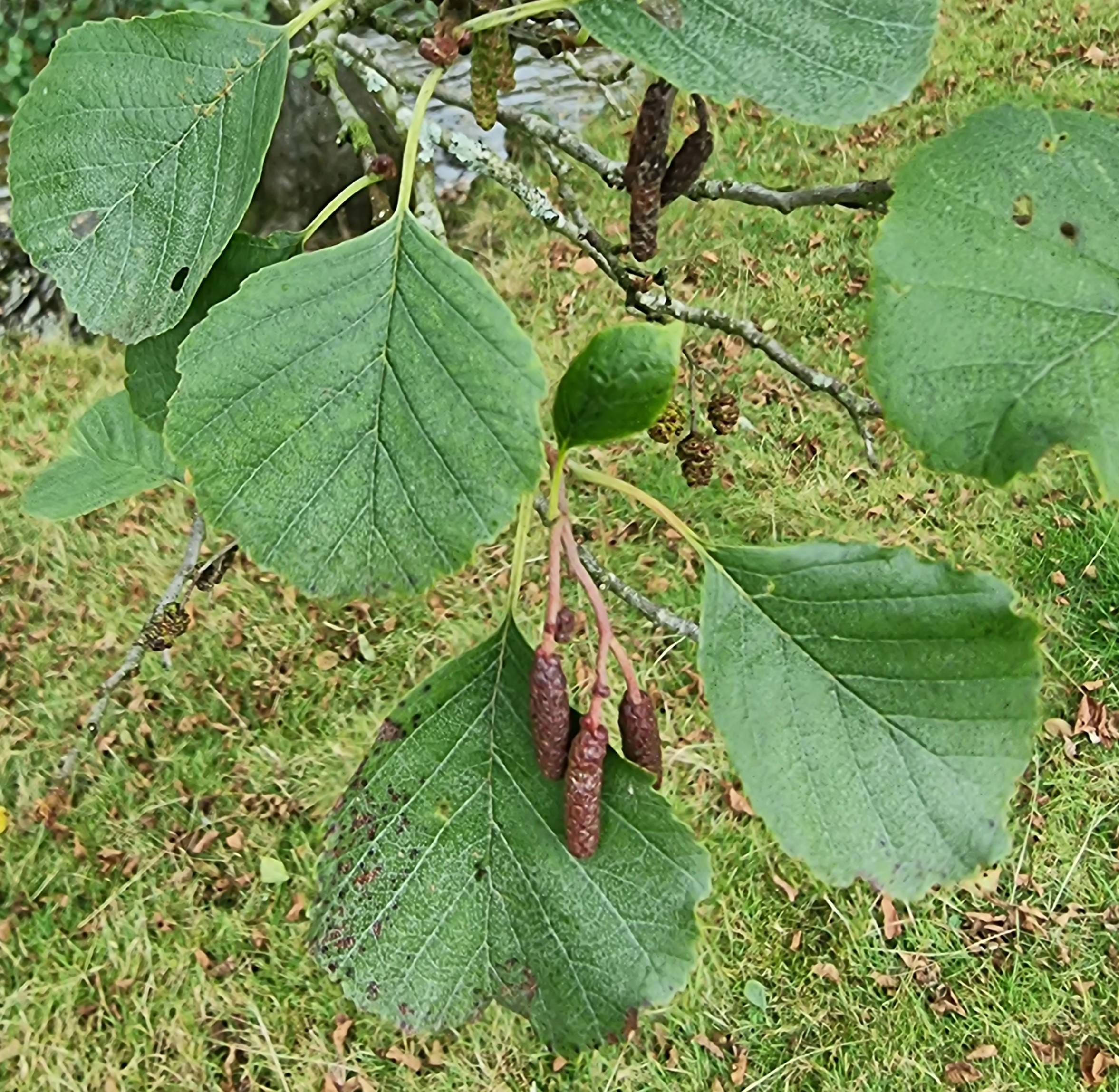
Short-stalked, rounded and up to 10cm long. Narrow at the stalk and wide and flat at the opposite end, sometimes with an indent. They have a wavy edge with a glossy green upper surface and paler green underside, with brown hairs in the angles of the veins.
Flowers
Mauve catkins give the bare tree a purple haze in winter. The small bunches of male catkins extend in spring to expose yellow anthers and pollen. The female catkins form green, cone-line fruit. Once pollinated, the cones open up to disperse seeds and can remain on the tree into the following year.
Seeds
The seeds are flattened reddish-brown nuts edged with webbing filled with pockets of air. This enables them to float for about a month which allows the seed to disperse widely.
Stem
The bark of young trees is smooth, glossy and greenish-brown while in older trees it is dark grey and fissured.
Fruit
Taste
n/a
Frequency & law
Common and not restricted.
The nuanced bit
Technically the male catkins are edible and high in protein, and the inner bark is edible but requires extensive boiling to reduce the tannins level; so just a survival food really.

Possible confusion
The rounded leaf shapes are similar to hazel, however hazel leaves are softly hairy compared to the shiny ones of alder.

Habitat
Thrives in most soils, most often found in damp ground, including particularly wet “Alder carrs”. Alders are often found on river banks, with roots directly in the water. It likes damp, cool areas. Similar to Silver Birch, it is a short-live pioneer species of the Belulaceae family.

How to harvest
n/a

Cooking tips
Whilst not directly used for food, Alder wood was traditionally used to smoke fish and other foods.

Other uses
When dry, Alder wood is soft and porous, however it becomes durable if kept wet, and its value is down to its ability to withstand rotting in water. It has been used in the construction of boats, sluice gates and water pipes. These days, alder wood is used to make timber veneers, pulp and plywood.

Folklore
A 2-hour session with a foraging expert, including ID work, finding and tasting wild ingredients in Nottingham
A 3-hour session with a foraging expert, including ID work, finding and tasting wild ingredients, and a wild snack at Meersbrook Park, Sheffield


